US Army launches laser production with $465M contract award
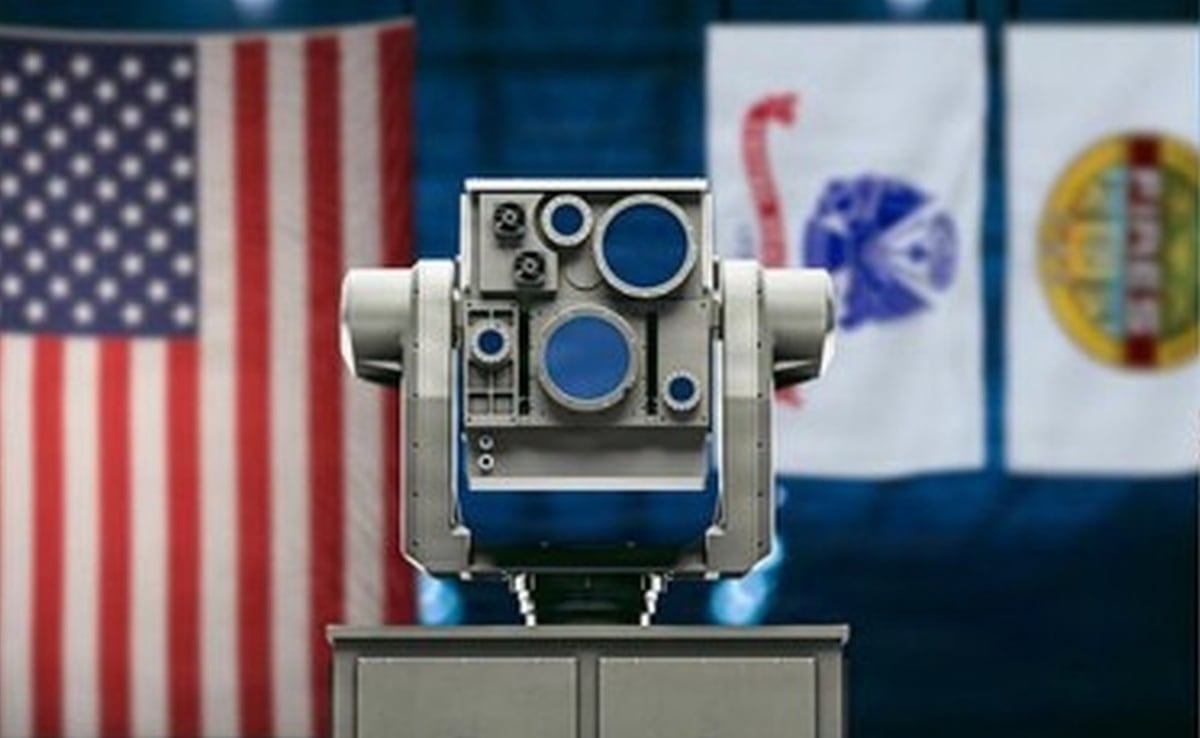
In a move that underscores the growing significance of directed energy systems, the U.S. Army has awarded a substantial $465 million contract aimed at ramping up the production of laser weapon systems. This landmark contract, announced recently, is a significant step forward in the Army's commitment to modernize its arsenal and enhance its defensive capabilities. As laser technology matures and becomes more integrated into military operations, the implications for the defense sector cannot be overstated.
The U.S. Army's decision to invest heavily in laser production reflects a broader strategic pivot towards non-kinetic weaponry that offers unprecedented precision and effectiveness. Unlike traditional munitions, laser systems promise reduced logistical burdens and lower operational costs over time. The Army's focus on directed energy not only demonstrates a commitment to innovation but also positions it as a leader in an increasingly competitive global defense landscape where adversaries are rapidly advancing their own technologies.
This contract is particularly timely, as the threat environment continues to evolve with the emergence of advanced aerial threats, including drones and hypersonic missiles. Laser systems can provide a cost-effective solution for countering such threats, enabling the Army to engage multiple targets with a single platform without the need for expensive missiles or artillery rounds. The implications for cost savings and operational efficiency are immense, potentially transforming the way military engagements are conducted.
Moreover, this investment extends beyond mere military application; it opens up a realm of opportunities for defense contractors and technology firms alike. As the Army seeks to establish a robust supply chain for laser systems, there is significant potential for partnerships and collaborations across the defense industry. Companies that are adept at optical engineering, materials science, and systems integration stand to benefit immensely from this shift in focus. The ripple effects of this contract will likely stimulate innovation and investment in related sectors, fostering a more dynamic and resilient defense industrial base.
Looking ahead, the successful integration and deployment of laser weapon systems could mark a pivotal shift in the Army's operational doctrine. With the promise of enhanced lethality and reduced risk to personnel, the potential for these systems to change the landscape of modern warfare is profound. As the U.S. military continues to explore and harness advanced technologies, the defense community must remain agile and ready to adapt to these changes. The future of warfare may very well be defined by the effective application of directed energy systems, and this $465 million contract is just the beginning of that transformation.