Air Force issues massive $16B contract for engine work to dozens of companies
In a striking move that underscores the U.S. Air Force's commitment to sustaining its aging fleet while also innovating for the future, the service has awarded a staggering $16 billion contract focused on engine work to a diverse array of companies. This unprecedented contract, which spans multiple years and encompasses dozens of suppliers, signals a pivotal shift in how the Air Force approaches both affordability and operational readiness. In an era where budget constraints loom large, the strategic implications of this contract cannot be overstated.
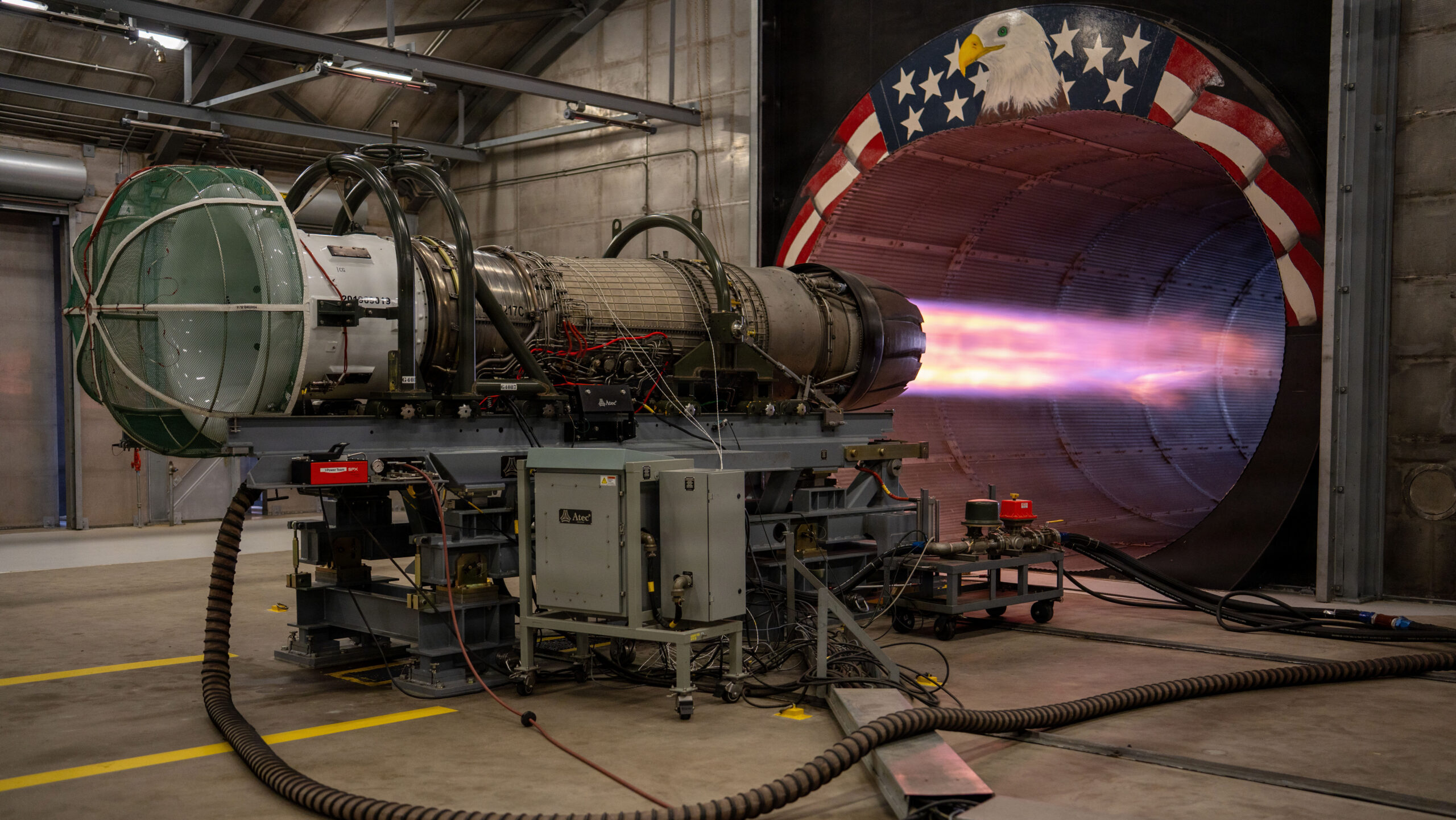
The scope of the contract covers a wide range of engine-related work, including maintenance, repair, overhaul, and modernization of existing engines, as well as the development of next-generation propulsion systems. By casting a wide net and engaging numerous contractors, the Air Force is not only diversifying its supply chain but also fostering a competitive environment that is likely to drive down costs and enhance innovation. This aligns perfectly with the growing emphasis on affordable mass capabilities, where low-cost and attritable systems are paramount in meeting the demands of modern warfare.
Moreover, the contract is particularly significant in the context of sustainment. As the Air Force grapples with an aging fleet, maintaining operational readiness without breaking the bank is a critical challenge. The infusion of new contracts into the ecosystem will likely lead to improved efficiency and reduced turnaround times for engine maintenance, which are crucial for keeping aircraft in the sky. This is especially important as the service seeks to balance its operational tempo with fiscal responsibility, ensuring that every dollar spent translates into readiness and capability.
The move also highlights the Air Force's recognition of the vital role that small and medium-sized enterprises play in the defense supply chain. By including a wide range of companies, from established defense contractors to innovative startups, the Air Force is investing in a robust ecosystem that can adapt to emerging threats and technological advances. This approach not only helps to secure a diverse supply chain but also stimulates job growth and technological innovation across the defense sector.
Looking ahead, this $16 billion contract is likely to set a precedent for future procurement strategies within the Department of Defense. As the military continues to emphasize the need for rapid technological advancements in the face of evolving threats, the focus on affordable mass and sustainment will only intensify. The success of this initiative could pave the way for more comprehensive partnerships between the Air Force and the private sector, ultimately enhancing the United States' defense posture while ensuring that fiscal prudence remains a priority. The implications for the broader defense industry are significant, as this contract could herald a new era of collaboration aimed at achieving operational excellence while managing costs effectively.