The Blue Economy: The World’s Quietest Economic Engine And Its Smartest Cities

The burgeoning concept of the Blue Economy is capturing the attention of industries far beyond traditional maritime applications. This economic model, which emphasizes the sustainable use of ocean resources for economic growth, job creation, and environmental sustainability, is emerging as a significant player in areas like defense and energy. As cities evolve into smarter entities, the integration of Blue Economy principles could redefine operational efficiencies and cost-effectiveness, particularly in defense systems that prioritize affordability and sustainability.
The Blue Economy encompasses a wide range of industries, including fisheries, renewable energy, and maritime transport, all of which are increasingly reliant on advanced technologies. The intersection of technology with these sectors is not just a boon for environmental conservation; it presents a unique opportunity for the defense sector to innovate and adapt. By leveraging advancements in autonomous systems, data analytics, and IoT, defense entities can develop low-cost, attritable platforms that operate in maritime environments, optimizing both operational readiness and sustainability.
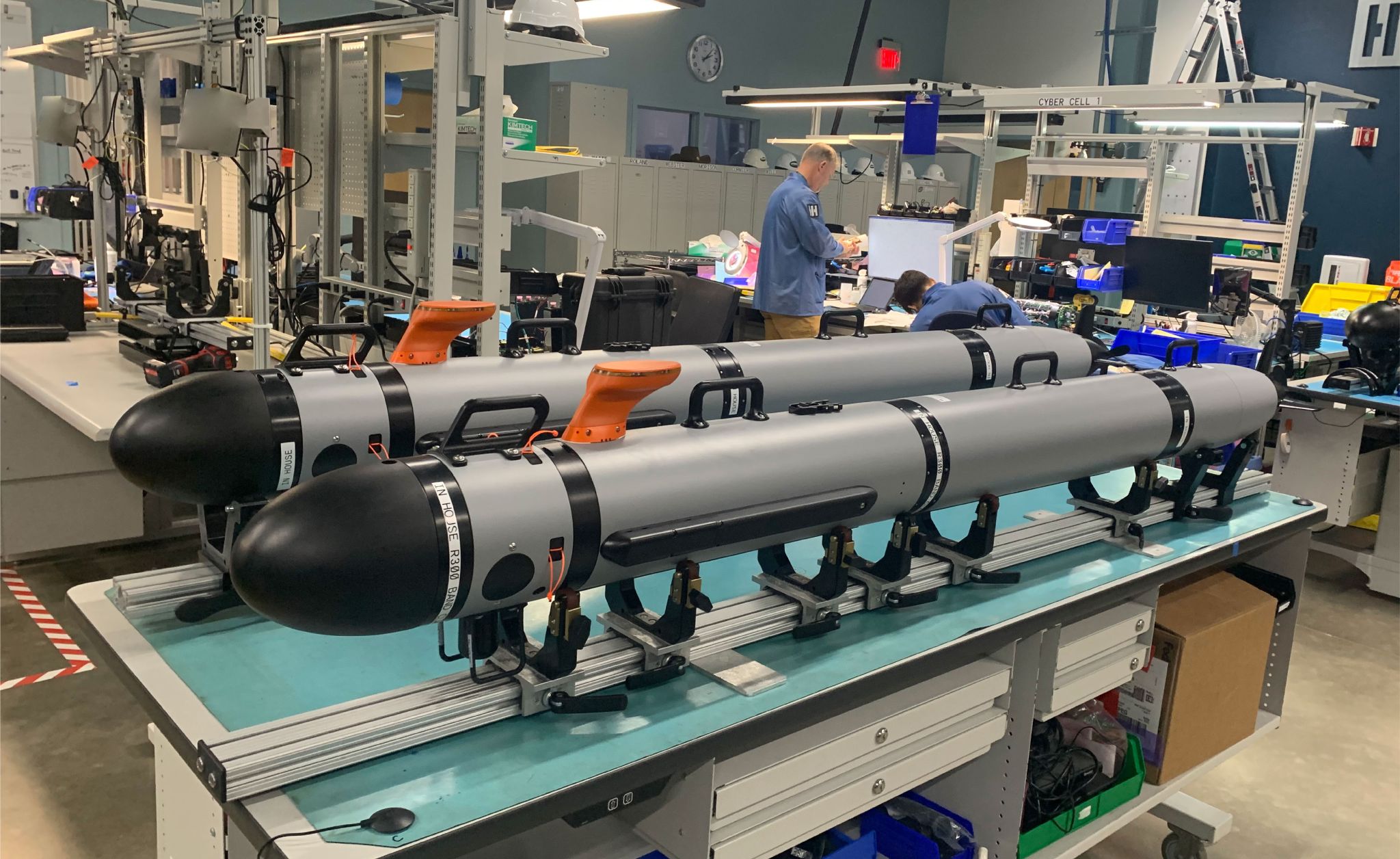
In the context of affordable mass production, the Blue Economy offers a blueprint for creating systems that are not only cost-effective but also resilient. For example, autonomous underwater vehicles (AUVs) and drones can be manufactured in larger quantities at reduced costs, enhancing fleet capabilities without the burden of exorbitant investment. This model aligns perfectly with the defense industry's push towards attritable systems—platforms that can be deployed en masse, remain operationally effective, and be replaced easily if lost or damaged. In essence, the Blue Economy could serve as a catalyst for innovation in affordable mass systems that keep defense budgets in check while expanding operational capabilities.
Moreover, the integration of smart city initiatives within the Blue Economy framework can lead to enhanced sustainability in urban environments. Cities are increasingly adopting technologies that streamline resource management, improve energy efficiency, and enhance public safety. For defense contractors and program managers, this presents an opportunity to collaborate with urban planners and technologists to develop systems that not only meet military needs but also contribute to civilian applications. This dual-use potential could lead to new funding avenues and partnerships that bolster both sectors.
Looking ahead, the Blue Economy stands as a testament to how interdisciplinary approaches can yield significant advancements in defense and aerospace. Its emphasis on sustainability and efficiency resonates deeply with the industry's goals for affordable and maintainable systems. As we navigate the complexities of climate change and resource scarcity, the convergence of ocean-based economic models with defense initiatives could pave the way for a new era of innovation—one where technology and sustainability are not just compatible but symbiotic.
In conclusion, as defense leaders and investors consider the implications of the Blue Economy, it is crucial to recognize its potential not only for immediate operational enhancements but also for long-term strategic advantages. The future of defense may very well hinge on how effectively we harness the resources and innovations that the Blue Economy has to offer, fostering a resilient and sustainable defense infrastructure that is prepared for the challenges ahead.