Three Orca XLUUVs Nearly Delivered As Navy Shifts To CAMP Effort

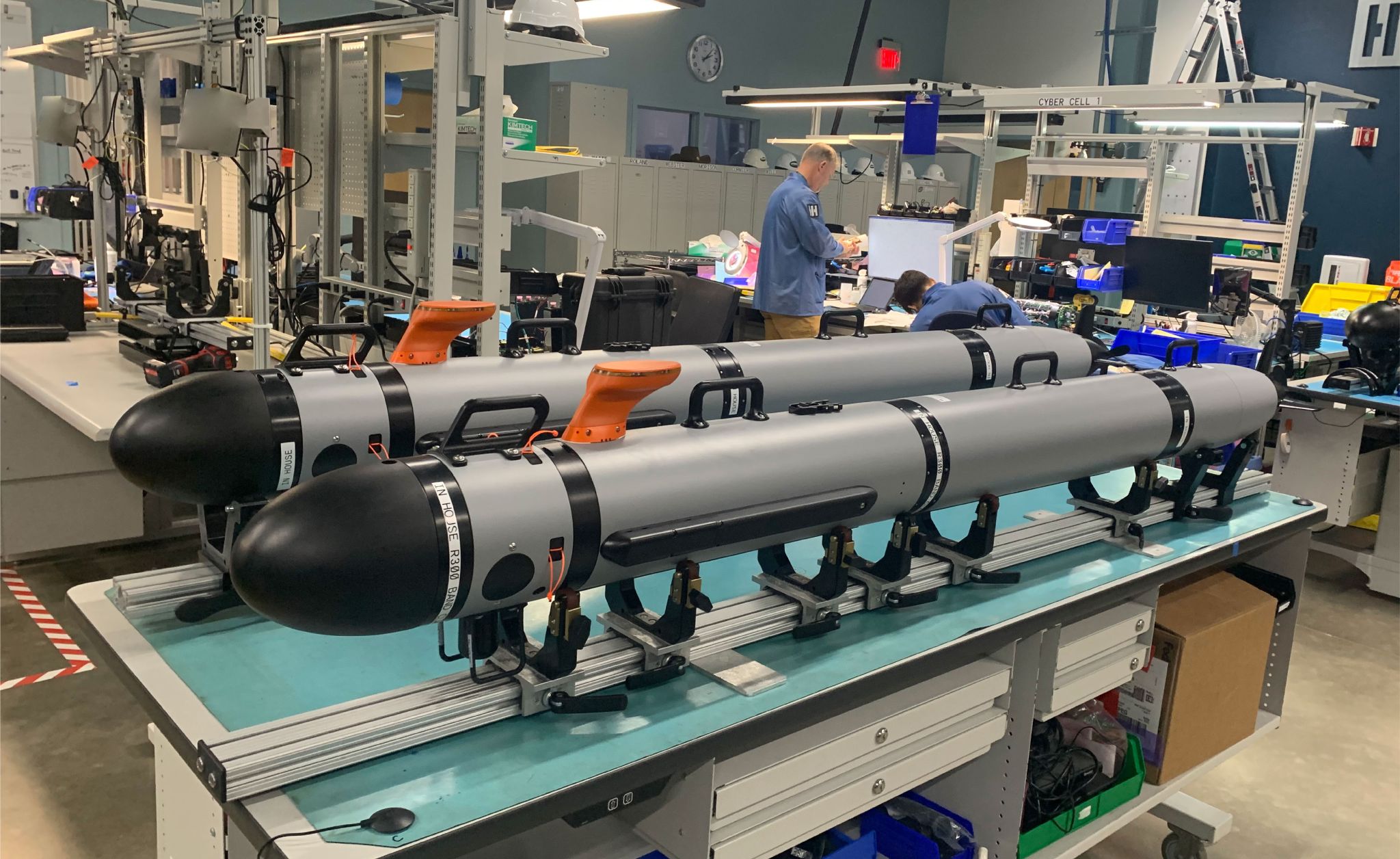
In a significant development for the U.S. Navy’s unmanned systems capabilities, three Orca Extra Large Unmanned Undersea Vehicles (XLUUVs) are nearing delivery, marking a pivotal step in the Navy's push towards enhanced maritime autonomy. The Orca program, developed by Boeing, is a testament to the increasing importance of low-cost, attritable systems in modern naval operations. As the Navy transitions its focus toward the Collaborative Autonomous Maritime Platform (CAMP) effort, the successful integration of the Orca XLUUVs underscores a strategic shift towards affordable mass in defense procurement.
The Orca XLUUVs stand out for their ability to conduct a variety of missions, ranging from anti-submarine warfare to mine countermeasures. Their modular design allows for rapid reconfiguration to adapt to mission-specific requirements, enhancing operational flexibility. This adaptability is crucial in an era where threats are rapidly evolving and unpredictable. Additionally, the Orca's attritable nature—meaning it can be produced at a lower cost to allow for higher quantities—aligns perfectly with the Navy's objectives of maintaining a ready and capable fleet without the exorbitant expenses typically associated with traditional naval platforms.
The Navy's shift towards the CAMP initiative signifies a broader trend in defense procurement where sustainability and cost-effectiveness are paramount. As military budgets face increasing scrutiny, the emphasis on affordable systems like the Orca becomes even more relevant. By investing in technologies that can be mass-produced and sustained economically, the Navy is not only ensuring operational readiness but also fostering an ecosystem of innovation within the defense industry. This approach encourages collaboration among engineers, suppliers, and investors who are keen on developing next-generation systems that can be integrated seamlessly into existing fleets.
Moreover, the Orca program exemplifies the Navy's commitment to leveraging advanced technologies while keeping a keen eye on fiscal responsibility. The incorporation of autonomous systems like the Orca XLUUV can lead to significant cost savings in terms of maintenance, operations, and training. By reducing the need for high-cost manned platforms, the Navy can reallocate resources to other critical areas, ensuring that the overall defense posture remains robust against emerging threats.
Looking forward, the successful deployment of the Orca XLUUVs will likely serve as a blueprint for future unmanned systems within the Navy and beyond. As the defense sector continues to embrace the principles of affordable mass and sustainment, innovations in autonomous capabilities will play a crucial role in shaping the future of military operations. The lessons learned from the Orca program will not only influence subsequent iterations of unmanned vehicles but also inspire a wave of investment and development in low-cost, high-impact defense solutions that meet the demands of modern warfare.
In conclusion, the imminent delivery of the Orca XLUUVs highlights a transformative phase in naval operations, where affordability, sustainability, and technological advancement converge to redefine defense strategies. As the Navy pivots towards the CAMP initiative, the emphasis on attritable systems like the Orca will be instrumental in ensuring that the fleet remains agile, capable, and prepared for the challenges ahead.