Senate Appropriators Back Army’s UH-60, AH-64 Cuts, Add Funds For More CH-47F Block IIs
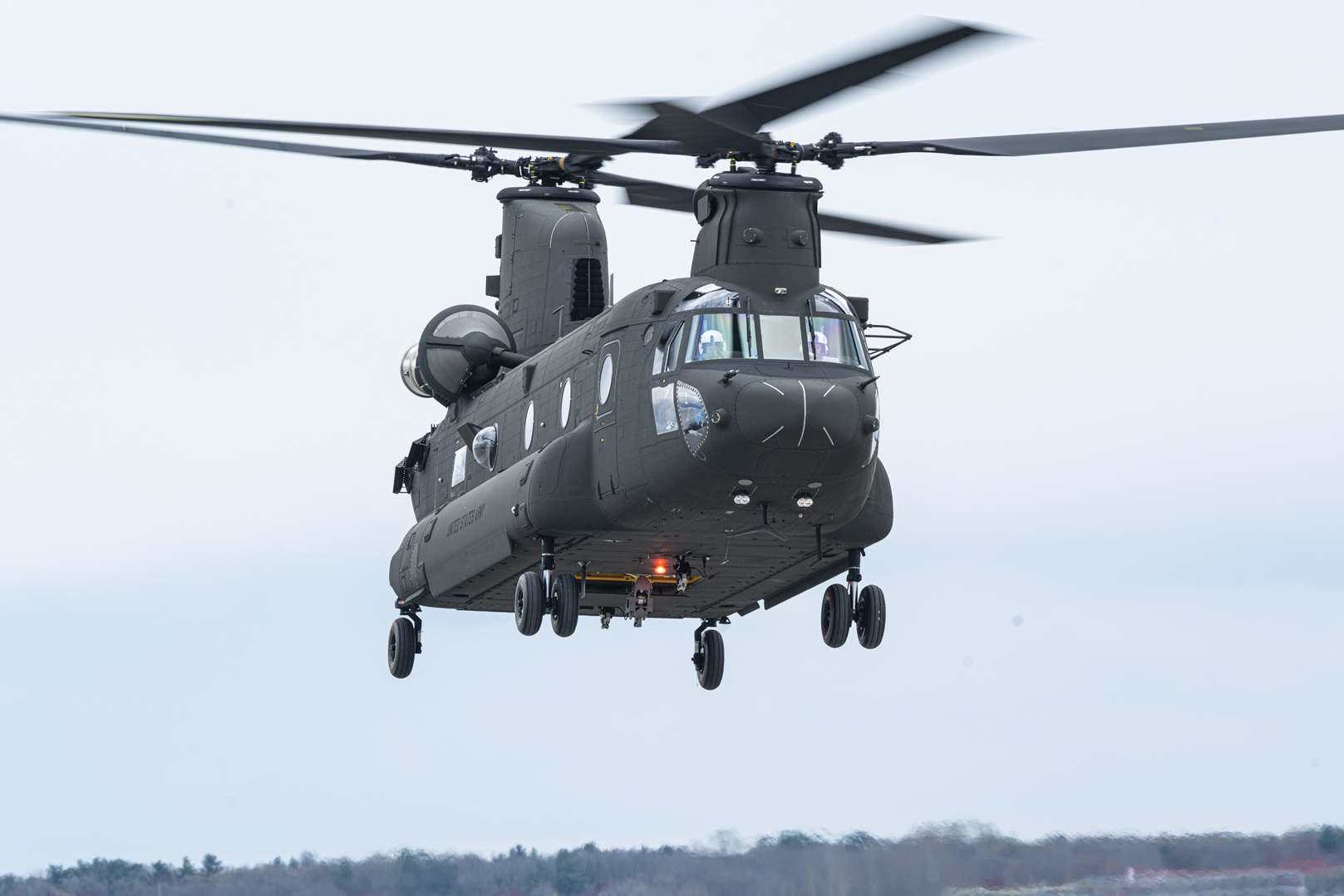
In a pivotal move that could reshape the future of Army aviation, Senate appropriators have endorsed the Army's proposed cuts to the UH-60 Black Hawk and AH-64 Apache programs while simultaneously allocating additional funds for the CH-47F Block II Chinook helicopters. This decision highlights a strategic pivot towards modernization and cost-effectiveness, resonating with the urgent need for affordable mass solutions within military procurement processes. By prioritizing the CH-47F, the Army aims to leverage the Chinook's capabilities while addressing operational sustainability in an evolving threat landscape.
The proposed cuts to the UH-60 and AH-64 platforms reflect a broader trend within defense budgeting that prioritizes fleet readiness and modernization over legacy systems. As the Army grapples with budget constraints amid rising operational demands, the focus is shifting toward retaining aircraft that offer greater versatility and mission adaptability. The CH-47F Block II, with its enhanced payload and improved avionics, is poised to fill critical gaps in troop transport and logistical support, making it a more attractive investment in the long term.
Moreover, this strategic redirection underscores the growing emphasis on sustainment and lifecycle costs in military aviation. The CH-47F's design not only incorporates state-of-the-art technology but also focuses on maintainability and ease of operation, crucial factors that can significantly reduce overall ownership costs. By investing in platforms that promise lower sustainment burdens, the Army can ensure its fleet remains ready and operationally relevant, even as it faces budgetary pressures.
The decision to cut back on the UH-60 and AH-64 programs may raise questions among stakeholders who have long viewed these platforms as cornerstones of Army aviation. However, it is essential to recognize that the military's strategic priorities are evolving. As warfare increasingly incorporates unmanned systems and autonomous technologies, the Army must adapt its fleet to reflect these changing dynamics. This realignment not only optimizes current resources but also sets the stage for future advancements in aerial combat and support.
Ultimately, the Senate appropriators' backing of the Army's budgetary adjustments signals a commitment to innovative thinking in defense procurement. By championing the CH-47F Block II, Congress is not just endorsing a specific platform but is also advocating for a more sustainable and cost-effective approach to military aviation. As we look ahead, the defense sector must continue to embrace change, invest wisely in emerging technologies, and prioritize systems that promise both operational efficacy and affordability in support of our national security objectives.