Navy Awards HII Mod For 82 More Lionfish SUUVs
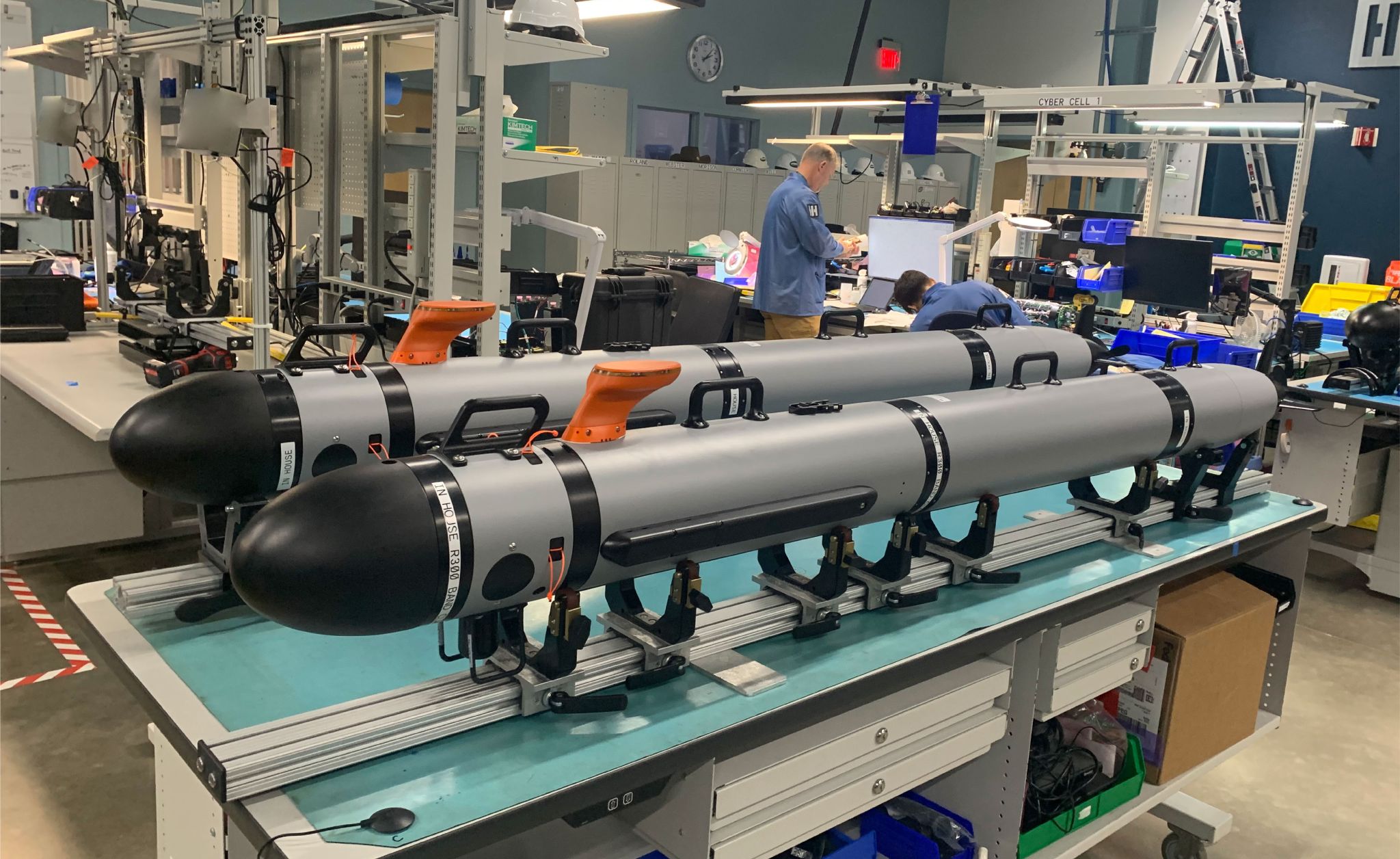
In a significant move towards enhancing the U.S. Navy's unmanned capabilities, the service has awarded Huntington Ingalls Industries (HII) a modification contract for 82 additional Lionfish Small Uncrewed Undersea Vehicles (SUUVs). This decision underscores the Navy's commitment to integrating affordable, attritable systems into its operational framework, aligning with the growing emphasis on low-cost, high-volume procurement strategies in defense. The Lionfish SUUV, designed to perform a variety of missions ranging from anti-submarine warfare to reconnaissance, represents a pivotal shift in how the Navy approaches undersea operations.
The recent contract modification, valued at approximately $20 million, adds to the existing fleet of Lionfish vehicles, which are already being utilized for various missions. By investing in these advanced unmanned systems, the Navy is not just enhancing its operational capabilities but also promoting a sustainable and economically viable defense strategy. The Lionfish's modular design allows for rapid deployment and adaptability, making it a valuable asset in both peacetime and combat scenarios. This flexibility is crucial as military operations evolve and require more agile responses to emerging threats.
Moreover, the Lionfish SUUVs are emblematic of a broader trend within the defense industry toward affordable mass solutions. As global defense budgets face increased scrutiny, the ability to procure cost-effective systems that can be produced in quantity is essential. These underwater vehicles not only reduce the risk to personnel but also enable the Navy to conduct more comprehensive operations without the significant financial burden associated with traditional manned platforms. This shift is particularly relevant in the context of the growing demand for unmanned systems across all domains of warfare.
From a sustainment perspective, the Lionfish SUUVs are designed with lifecycle affordability in mind. Their relatively low cost of operation and maintenance ensures that the Navy can keep these systems ready and effective without overstretching their resources. This approach to sustainment is vital as it allows the Navy to maintain a robust fleet capable of adapting to various mission requirements, all while keeping expenditures in check. As the Navy continues to expand its fleet of unmanned systems, the emphasis on sustainable practices will play a crucial role in ensuring long-term operational readiness.
Looking ahead, the continued investment in systems like the Lionfish SUUV will likely pave the way for new innovations in unmanned underwater technology. As the Navy explores further applications for these vehicles, including potential integration with other unmanned systems, the potential for enhanced operational synergy becomes apparent. The Lionfish is not just a tool for today’s missions; it represents a cornerstone of future naval strategy, where affordability and operational effectiveness are paramount. This contract modification signals the Navy's understanding that modern warfare will increasingly rely on smart, autonomous systems designed for mass deployment, and HII is positioned to play a key role in this evolution.