The new must-have capabilities for drones
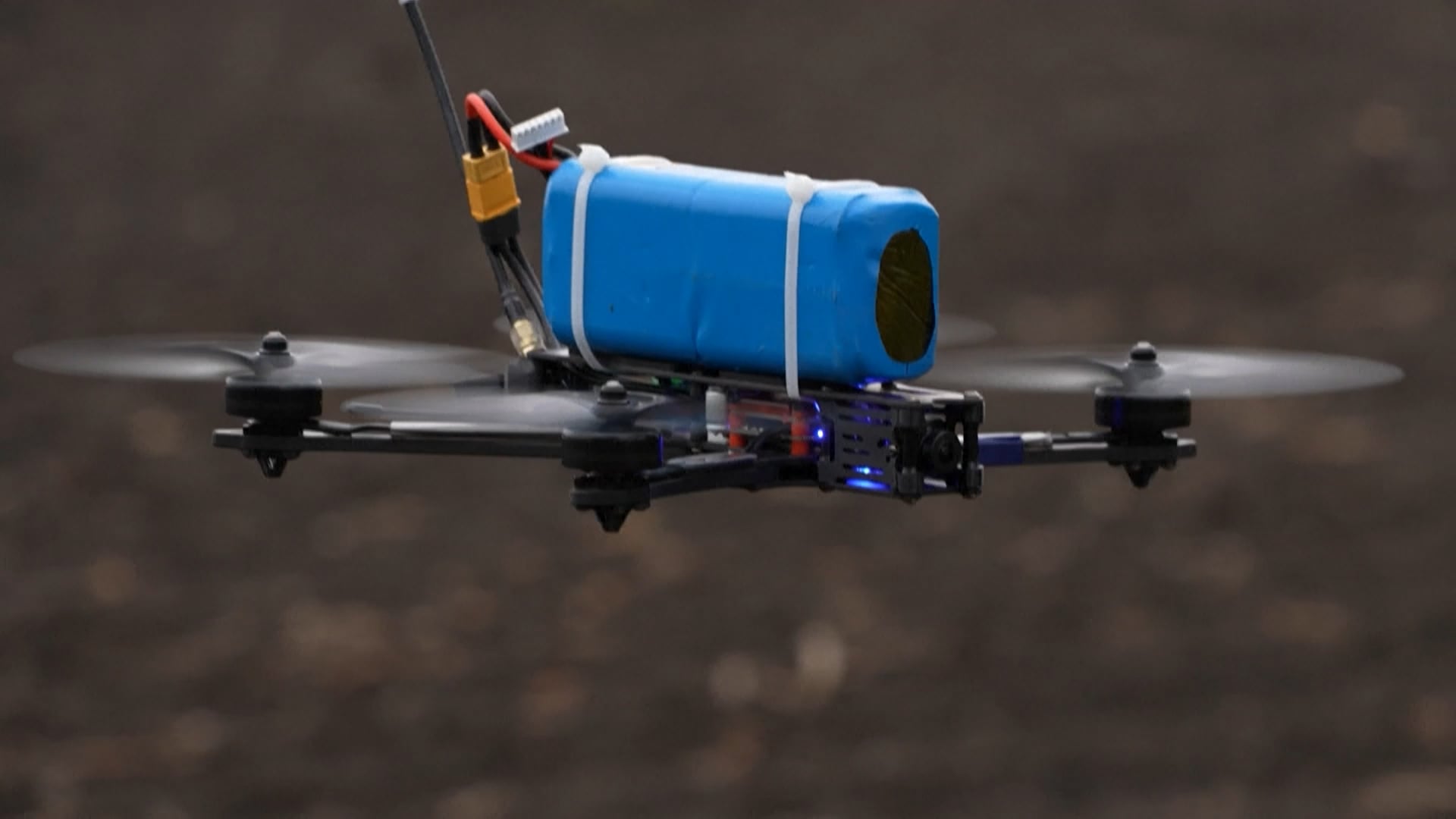
As the landscape of defense technology continues to evolve, the demand for advanced drone capabilities has never been more pronounced. Recent insights from industry experts highlight a new wave of essential features that are no longer just desirable but are becoming critical for drones in military and civilian applications alike. This shift is not just about enhancing performance; it’s about ensuring that these systems can operate effectively in a complex and rapidly changing environment, ultimately driving the future of affordable mass and sustainment strategies.
Among the emerging must-have capabilities for drones are enhanced autonomy and advanced sensor integration. These features allow unmanned systems to operate with greater independence, reducing the need for constant human oversight. This is particularly crucial in environments where human personnel may face significant risks. Furthermore, sophisticated sensor packages enable drones to collect and analyze data in real-time, thereby facilitating immediate decision-making and operational efficiency. For defense contractors and program managers, investing in these capabilities not only enhances the operational effectiveness of their fleets but also aligns with the current paradigm of attritable systems that can be produced and deployed at scale without exorbitant costs.
The integration of artificial intelligence (AI) is another pivotal development. AI-driven drones can adapt to changing mission parameters, optimize flight paths, and enhance target recognition capabilities. This adaptability is essential for modern warfare scenarios, where threats are dynamic, and the battlefield can change in an instant. For builders and suppliers, the challenge lies in designing systems that leverage AI's potential while ensuring reliability and safety. As the demand for drones grows, so does the need for systems that can be easily maintained and upgraded, a key factor in sustainability and long-term operational readiness.
Moreover, the push for improved connectivity and interoperability among drone systems is becoming a focal point. As military operations increasingly rely on joint forces and coalition partners, the ability for drones to communicate seamlessly within a broader network is crucial. This not only enhances situational awareness but also ensures that resources can be allocated more efficiently. For investors, this represents a lucrative opportunity, as companies that prioritize connectivity in their drone designs are likely to gain a competitive edge in the market.
In summary, the future of drone technology is being shaped by a confluence of advanced capabilities that cater to the pressing needs of modern defense operations. As demands for affordability and operational sustainability rise, companies that can innovate in autonomy, AI integration, and connectivity will find themselves at the forefront of the industry. The next few years will be pivotal as we witness how these capabilities evolve and become standard features in the next generation of drones. The race is on, and those who invest in these technological advancements today will define the landscape of aerial warfare tomorrow.