Thales subsidiary lands US Navy contract for remote mine hunting modules
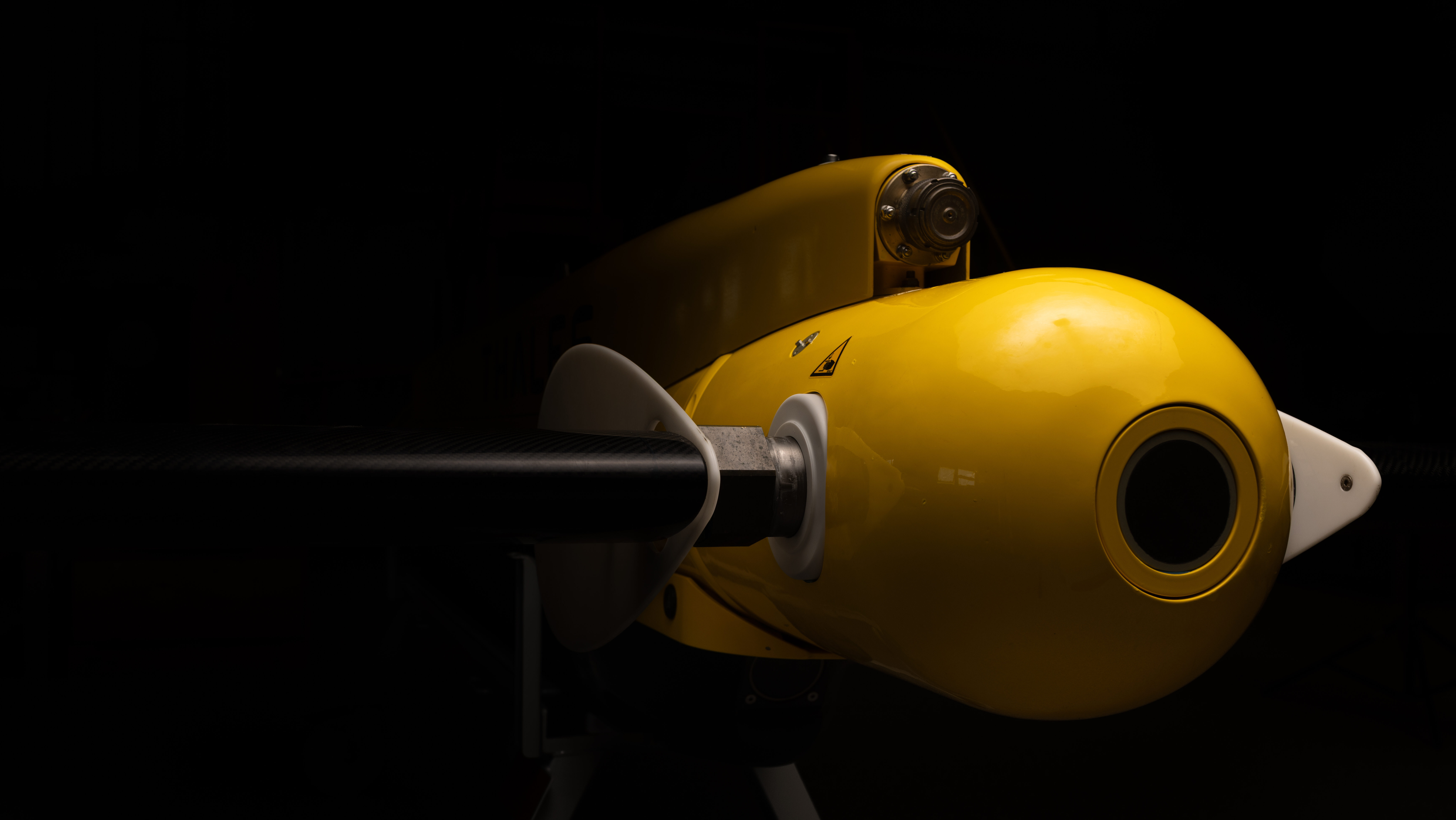
In a significant advancement for naval operations, Thales Group's subsidiary recently secured a contract with the U.S. Navy for the provision of advanced remote mine hunting modules. This development underscores the military's commitment to leveraging cutting-edge technology to enhance maritime safety and operational efficiency. The contract aligns with the broader defense strategy of integrating affordable and attritable systems that can be deployed in high-risk scenarios without compromising budgetary constraints.
The remote mine hunting modules are designed to operate autonomously, providing the Navy with a critical capability to detect and neutralize underwater mines without risking personnel or manned vessels. As maritime threats continue to evolve, the need for innovative solutions that can be produced and deployed in quantity becomes increasingly vital. This contract not only highlights Thales’s engineering capabilities but also reinforces the U.S. Navy's strategy of adopting systems that are both effective and economically viable, ensuring that fleet readiness is maintained without excessive expenditure.
Moreover, the modular design of these remote systems embodies the principles of affordable mass by allowing for scalability and ease of integration into existing operational frameworks. By investing in these advanced technologies, the Navy is addressing the dual challenges of modern warfare: the need for enhanced operational capabilities and the imperative to sustain a fleet that is ready and capable without incurring prohibitive costs. As defense budgets face scrutiny, this approach exemplifies how innovative solutions can lead to substantial cost savings in the long term.
The implications of this contract extend beyond immediate operational benefits. By fostering a competitive environment for suppliers like Thales, the Navy is encouraging the development of a robust defense industrial base that prioritizes affordability and sustainability. This strategy could inspire other defense contractors to innovate in similar ways, potentially leading to a wider array of low-cost, high-performance solutions across various domains of military operations.
Looking ahead, the integration of these remote mine hunting systems is likely to set a precedent for future contracts in the defense sector. As the U.S. Navy continues to refine its procurement strategies, the focus will likely shift toward embracing adaptable, technologically advanced systems that can be leveraged across multiple platforms. This focus on innovation within a framework of affordability will be crucial for maintaining operational superiority in an increasingly complex global security landscape.
In conclusion, as Thales and the U.S. Navy embark on this partnership, the defense community should closely monitor the outcomes of this initiative. It serves as a pivotal case study in the ongoing quest for affordable mass and sustainment within military operations, showcasing how advanced technology can be harnessed to not only enhance capabilities but also ensure that the defense infrastructure remains agile and economically viable for the future.