Special Operations Command Awards Small Contracts For Kinetic Drones
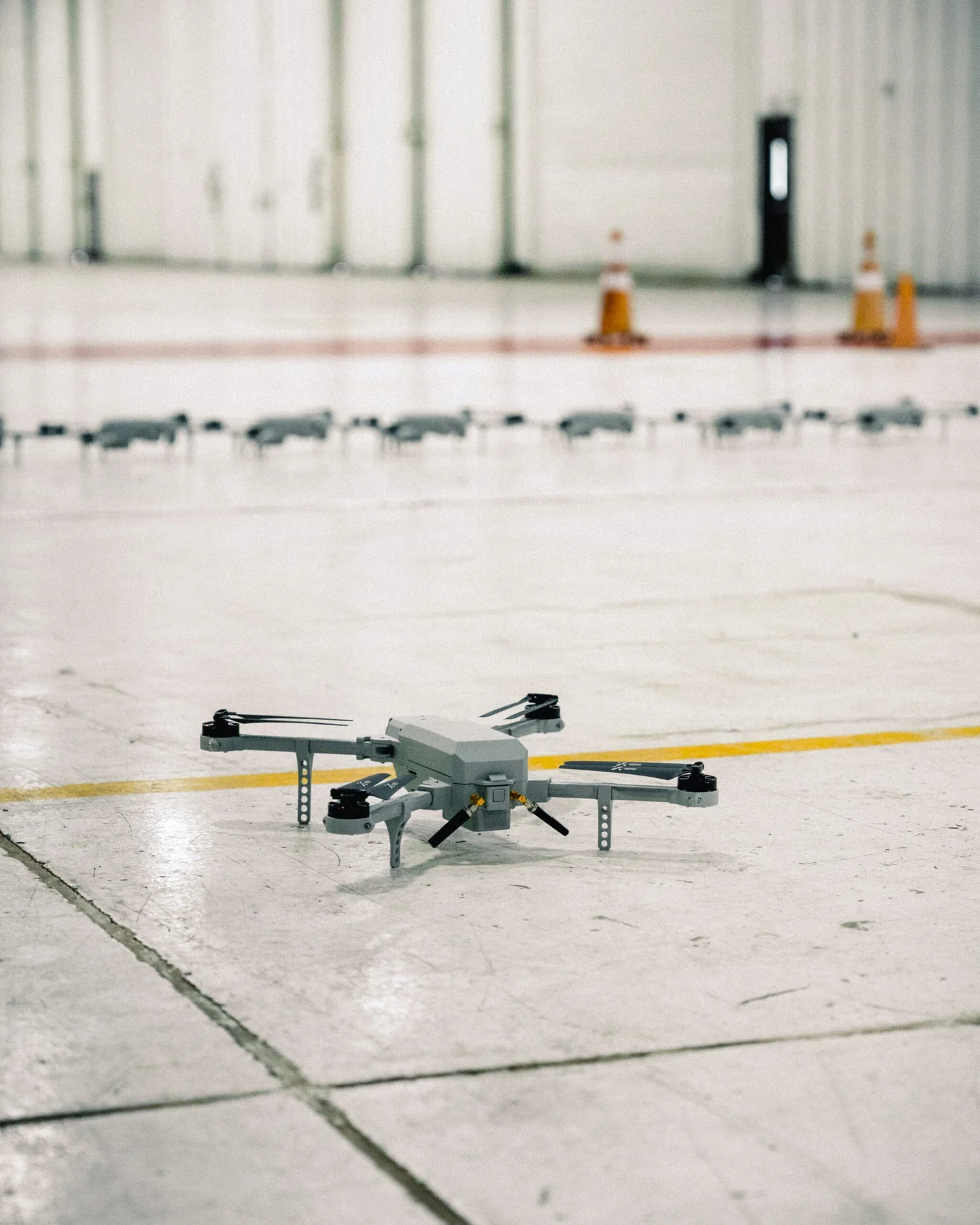
In a significant move to enhance its operational capabilities, the U.S. Special Operations Command (SOCOM) has awarded small contracts for kinetic drones, marking a pivotal step towards integrating advanced unmanned systems into its tactical arsenal. This initiative signals a growing recognition of the importance of low-cost, attritable platforms in modern warfare, particularly for special operations forces that require agility and adaptability in ever-evolving combat environments.
The awarded contracts, while modest in scale, are indicative of a broader trend within the defense community to embrace innovative technologies that can be rapidly developed and deployed. Kinetic drones, designed to deliver precision strikes or gather intelligence, represent a crucial element in SOCOM’s strategy to leverage unmanned systems for enhanced situational awareness and strike capabilities. By investing in these platforms, SOCOM is prioritizing affordability and mass production, aligning with the larger defense mandate to ensure readiness while managing costs.
In today’s defense landscape, where adversaries are increasingly leveraging advanced technologies, the need for cost-effective solutions is paramount. Kinetic drones offer a dual advantage: they can be produced in quantity, allowing for mass deployment, and they can be attritable, meaning they are designed to be inexpensive enough that their loss does not significantly impact operational objectives. This aligns with the Department of Defense's ongoing efforts to achieve more sustainable operations while ensuring that U.S. forces maintain a technological edge.
Moreover, the focus on kinetic drones highlights a shift towards autonomy and smart systems in military operations. As the capabilities of artificial intelligence and machine learning continue to advance, the potential for drones to operate with minimal human intervention is becoming a reality. This not only enhances operational efficiency but also reduces the risks to personnel in high-consequence environments. As SOCOM explores the integration of these systems, the lessons learned will likely inform broader military strategies and acquisition processes across the services.
The implications of SOCOM’s contract awards extend beyond just immediate operational enhancements; they also signal a fundamental shift in defense procurement philosophy. By fostering a competitive landscape that encourages small businesses and startups to participate in defense contracting, SOCOM is paving the way for innovation and agility in defense solutions. This approach could stimulate economic growth within the defense sector, attracting investment and talent to create a vibrant ecosystem of affordable mass solutions.
Looking ahead, the success of these kinetic drones will depend on continuous innovation and an adaptable sustainment strategy. As SOCOM and other military branches integrate these technologies into their operations, the industry must remain vigilant and responsive to the challenges of maintaining these systems in a cost-effective manner. The future of warfare will increasingly depend on such adaptable systems, and the ability to keep fleets ready, safe, and affordable will be critical in ensuring operational success in an unpredictable global landscape.