Sikorsky Nabs Army Deal For 16 More Black Hawks, Sets Path For New ‘Multiple-Year’ Contract
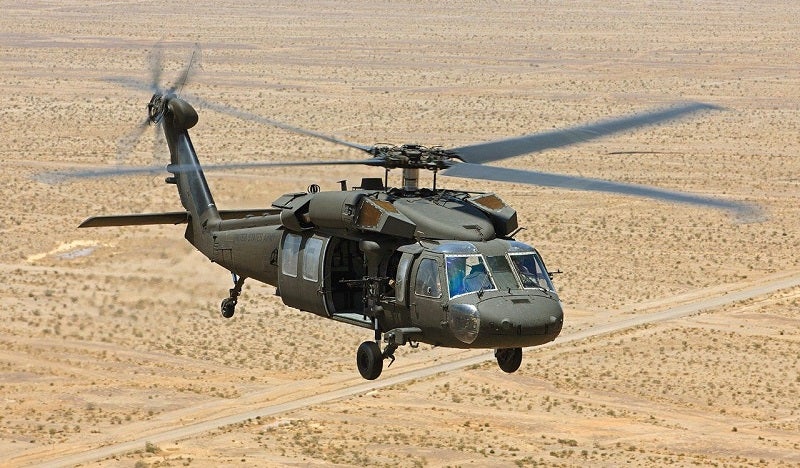
In a significant development for the U.S. Army's aviation capabilities, Sikorsky has secured a contract for 16 additional Black Hawk helicopters, reinforcing its longstanding partnership with the military. This new deal not only underscores the Army's ongoing commitment to modernizing its fleet but also sets the stage for a potential multi-year contract that could ensure Sikorsky's relevance in the defense sector for years to come. As defense budgets tighten and technology evolves, the implications of this contract extend far beyond mere procurement; they signal a strategic alignment between military needs and aerospace innovation.
The Black Hawk helicopter has been a staple of U.S. Army aviation since its introduction in the late 1970s, serving a multitude of roles from troop transport to medevac operations. As military engagement dynamics shift, the need for versatile and reliable air support remains paramount. This latest order comes at a time when the Army is not only looking to replenish its aging fleet but also to integrate advanced technologies that enhance mission readiness and operational efficiency. The potential for a multi-year contract could provide Sikorsky with the stability needed to invest in research and development, ultimately leading to innovations that could redefine battlefield dynamics.
Industry experts have noted the importance of such contracts as indicators of future defense spending priorities. With global threats evolving and military engagements becoming increasingly complex, the Army's decision to invest in additional Black Hawks reflects a strategic pivot towards ensuring air superiority and logistical flexibility. For investors and builders in the aerospace sector, this contract may signal a resurgence in demand for rotorcraft capabilities, paving the way for a new wave of technological advancements in aircraft design and manufacturing processes.
Moreover, Sikorsky’s ability to secure this deal amidst a competitive landscape showcases its resilience and commitment to meeting the Army's evolving requirements. As the company gears up for potential long-term contracts, it will likely focus on enhancing the Black Hawk's capabilities with cutting-edge technologies such as improved avionics, autonomous systems, and enhanced survivability features. This not only benefits the U.S. military but also positions Sikorsky as a leader in the global aerospace market, where demand for advanced rotorcraft continues to grow.
Looking ahead, the implications of this deal extend beyond immediate financial gains. The Army's investment in the Black Hawk fleet is a testament to the enduring value of proven systems that can be modernized to meet future challenges. For defense contractors and technology developers, the path Sikorsky is setting could serve as a roadmap for future collaborations with the military. As we enter an era characterized by rapid technological advancements and shifting defense priorities, the ability to adapt and innovate will be critical for all stakeholders involved in the defense and aerospace sectors.
In conclusion, Sikorsky's contract for 16 Black Hawks not only strengthens the U.S. Army's operational capabilities but also positions the company for future growth in a competitive market. As defense budgets evolve and new technologies emerge, the successful integration of these helicopters into the Army's fleet will be a crucial factor in maintaining air superiority and operational effectiveness on the modern battlefield.