Shield AI Raises $2 Billion; Acquiring Software Simulation Company Aechelon To Strengthen AI Pilot
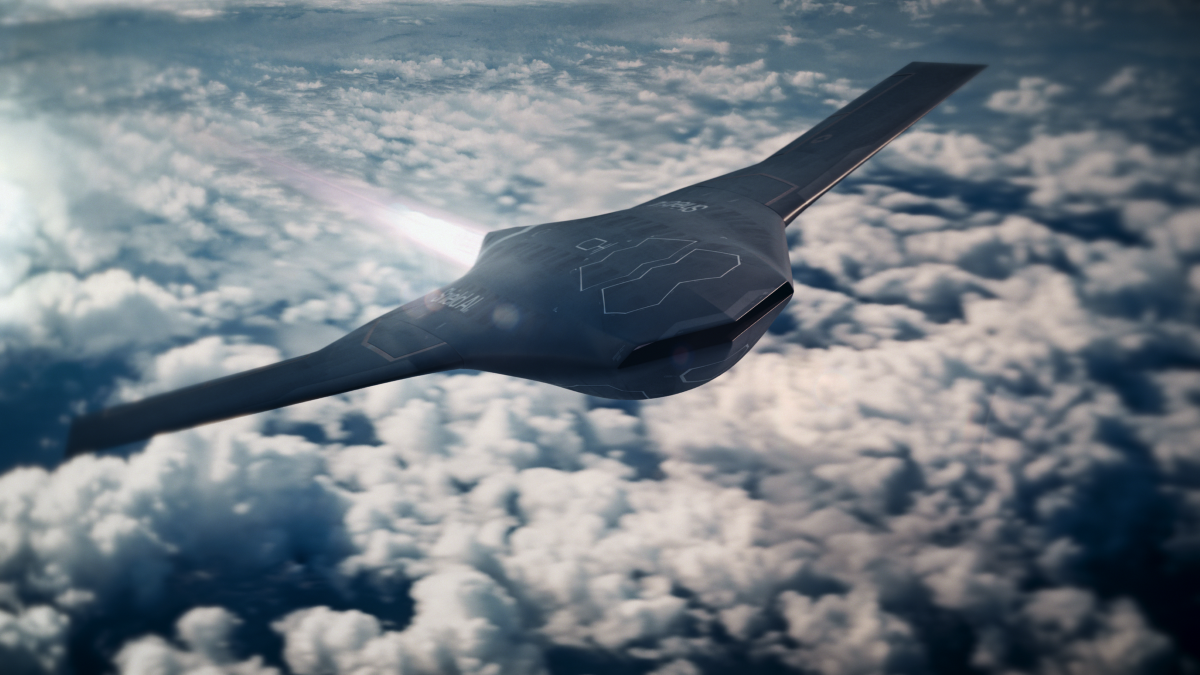
In an era where artificial intelligence (AI) is rapidly reshaping the landscape of defense and aerospace, Shield AI's recent announcement of raising $2 billion and acquiring the software simulation company Aechelon is a significant milestone. This strategic maneuver is not merely a financial achievement; it underscores the growing importance of AI-driven solutions in military applications, particularly in the realm of autonomous piloting systems. By enhancing its AI Pilot capabilities, Shield AI is positioning itself as a key player in the future of defense technology, where the integration of software and hardware could redefine aerial combat and surveillance operations.
The infusion of $2 billion in funding signals robust investor confidence in Shield AI's vision and technological prowess. This capital will not only bolster the company's operational capabilities but will also enable it to scale its initiatives and accelerate the development of advanced AI systems. The acquisition of Aechelon, a company known for its cutting-edge simulation technologies, is particularly notable. It provides Shield AI with essential tools to refine its algorithms and enhance the realism of its training environments, ultimately leading to more effective AI pilots that can seamlessly integrate into complex operational scenarios.
The defense and aerospace sectors are increasingly recognizing the transformative potential of AI. With the U.S. military's ongoing emphasis on incorporating advanced technologies into its operations, Shield AI's advancements come at a critical juncture. The ability to simulate real-world conditions and train AI pilots under various scenarios can significantly reduce risk and improve mission effectiveness. As military engagements become more sophisticated, the demand for reliable, autonomous systems will only continue to grow, making this acquisition particularly timely.
Furthermore, the implications of Shield AI's developments extend beyond immediate military applications. The dual-use nature of AI technology means that innovations in defense can often translate into benefits for commercial aviation and broader aerospace applications. As Shield AI continues to enhance its offerings, it may pave the way for safer and more efficient air travel in civilian contexts, showcasing the interoperability of defense and commercial technologies.
Looking ahead, the defense industry must remain vigilant and adaptive in the face of rapid technological advancements. Shield AI's bold moves exemplify how strategic investments and acquisitions can propel a company to the forefront of innovation, but they also highlight the competitive landscape where both established defense contractors and agile startups vie for supremacy. As global tensions persist and new threats emerge, the ability to harness AI effectively will be a determining factor in maintaining strategic advantages. The future of warfare may very well hinge on the success of companies like Shield AI, making their advancements crucial not only for investors and military planners but for the safety and security of nations around the world.