Oshkosh Defense To Manufacture Grid Aero’s Autonomous Cargo Drone In New Partnership
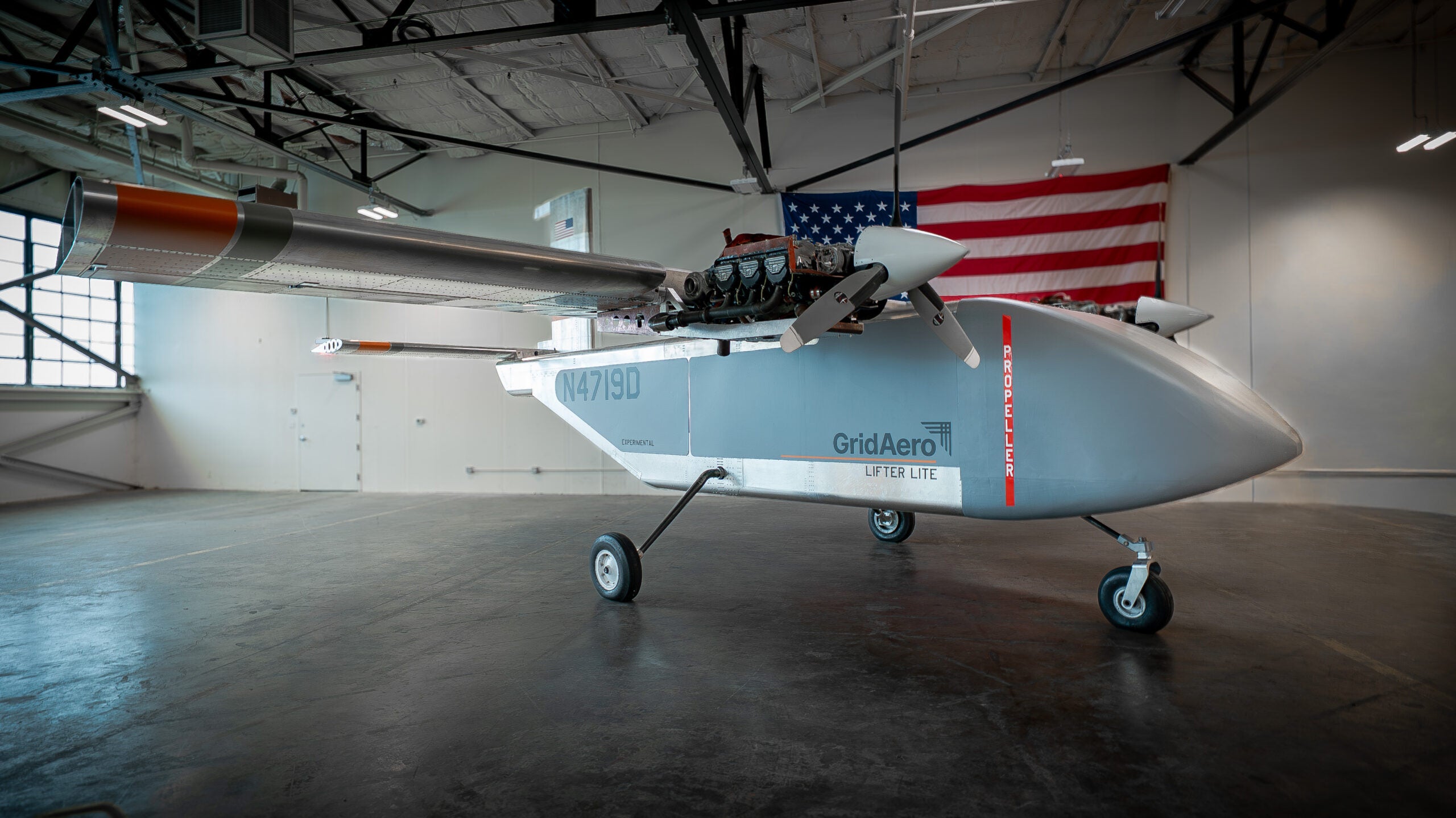
In a significant move that underscores the evolution of defense logistics, Oshkosh Defense has announced a partnership with Grid Aero to manufacture an innovative autonomous cargo drone. This collaboration not only highlights the increasing reliance on unmanned systems in military operations but also positions both companies at the forefront of a burgeoning market focused on affordable, efficient, and scalable solutions. As defense budgets become increasingly constrained, the need for cost-effective logistics solutions has never been more pressing.
The autonomous cargo drone, designed to streamline supply chain operations, promises to enhance the military's capabilities by enabling faster and more flexible resupply missions. By employing advanced automation technologies, this drone aims to reduce the logistical burden on ground troops while increasing operational efficiency. This is particularly vital in scenarios where traditional supply lines may be vulnerable to disruption, thus enhancing the resilience of military operations in contested environments.
Oshkosh Defense's decision to partner with Grid Aero reflects a broader trend within the defense industry: the shift towards attritable systems that can be produced at lower costs and in greater quantities. These systems, which can be deployed and replaced as needed without significant financial repercussions, align perfectly with the military's evolving doctrine of distributed operations. By investing in such capabilities, defense contractors are not only addressing current operational needs but also paving the way for future innovations that can further enhance sustainment and readiness.
Moreover, this partnership signifies a critical step towards achieving the Pentagon’s goals of modernizing its supply chain through technology. As the Department of Defense increasingly embraces automation, partnerships like this one could serve as a model for future collaborations aimed at enhancing logistical capabilities. The integration of autonomous systems into the supply chain is expected to reduce the reliance on manned vehicles, thereby decreasing operational costs and risks.
As the defense landscape continues to evolve, it is crucial for industry stakeholders to remain ahead of the curve. The Oshkosh-Grid Aero collaboration not only promises to deliver a new logistical capability but also sets the stage for further advancements in affordable mass production of defense technologies. By focusing on low-cost, attritable systems, the defense industry can effectively respond to both current challenges and future demands, ensuring that military forces remain agile, responsive, and equipped for success.
Looking ahead, the implications of this partnership could be far-reaching. As autonomous systems become more integrated into military operations, we can expect to see increased emphasis on innovation and collaboration across the defense sector. This could lead to a reimagining of how logistics are conducted in modern warfare, ultimately enhancing the effectiveness and sustainability of military operations globally.