Opposition by US and Russia raises doubts over autonomous weapons talks outcome, diplomats say
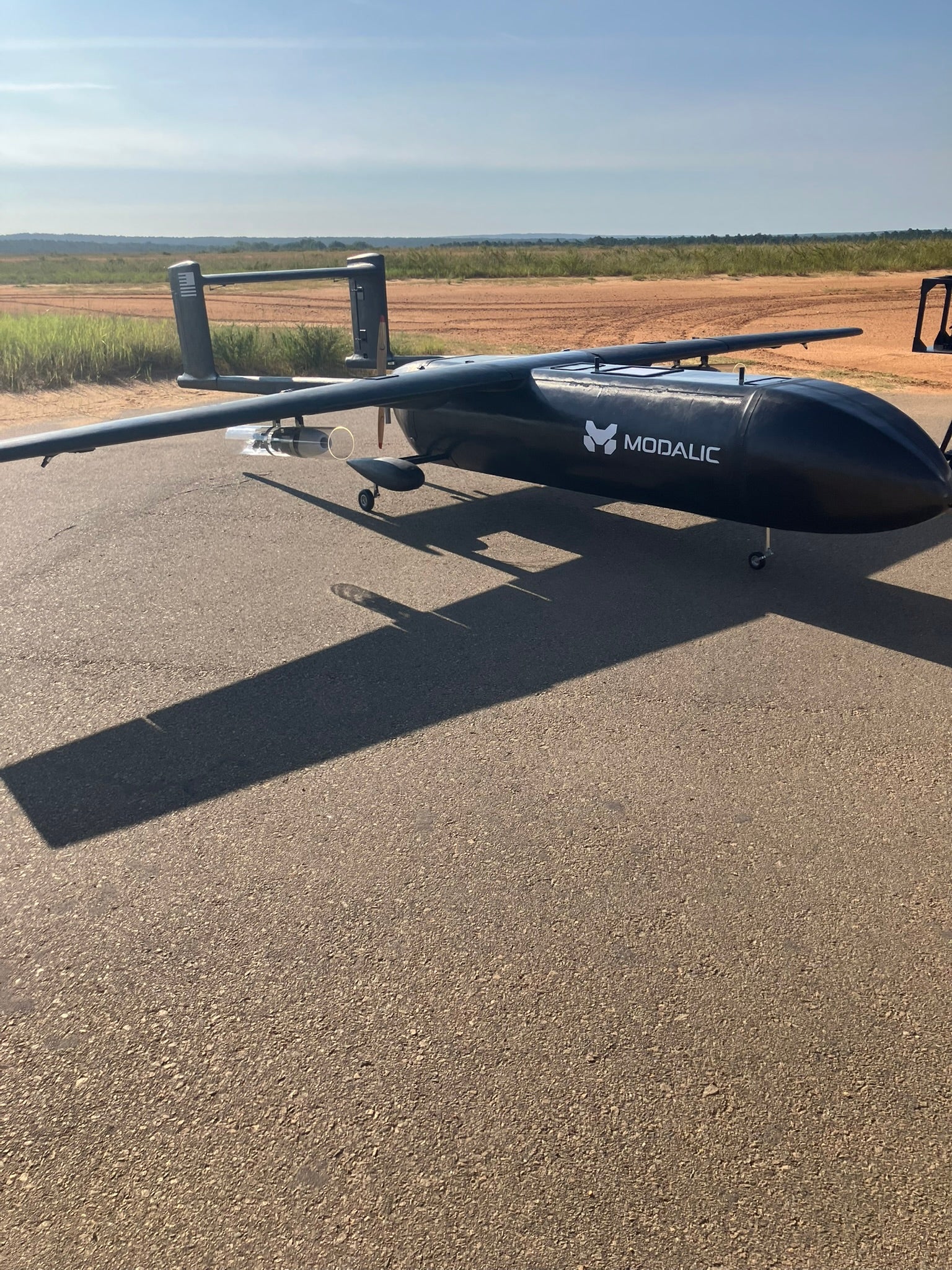
In an era of rapid technological advancement, the emergence of autonomous weapons has ignited a contentious debate among global powers. Recent discussions regarding the future of these systems have been overshadowed by significant opposition from both the United States and Russia, raising questions about the viability of international agreements aimed at regulating their development and deployment. As diplomats express skepticism about the outcomes of ongoing negotiations, the implications for the defense, aerospace, and technology sectors are profound and far-reaching.
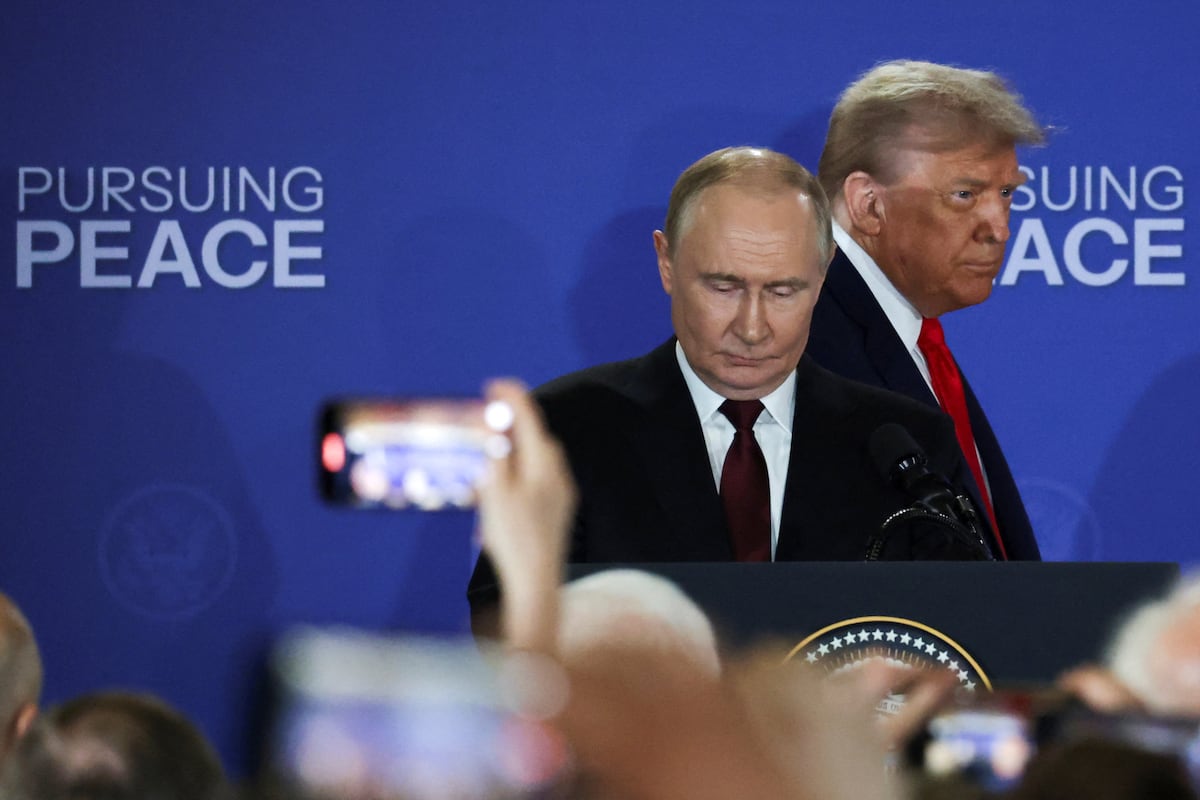
The core of the debate lies in the ethical and strategic implications of deploying weapons systems capable of making life-or-death decisions without human intervention. Proponents argue that autonomous weapons can enhance military effectiveness and reduce human casualties in combat situations. However, critics warn that their proliferation could lead to unforeseen consequences, including an escalation of conflicts and the potential for misuse by rogue states or non-state actors. The current impasse between the U.S. and Russia—a situation marked by mutual distrust and competing national interests—underscores the challenges of reaching a consensus on regulations that could govern the use of these technologies.
The stakes are particularly high, as advancements in artificial intelligence and machine learning continue to outpace existing regulatory frameworks. The potential deployment of autonomous weapons systems raises critical questions about accountability and oversight. Who is responsible when an autonomous system makes a mistake? How can nations ensure compliance with international humanitarian law when the decision-making process is removed from human oversight? These questions are central to the discussions taking place at various diplomatic forums, yet the lack of a unified stance from major military powers complicates the dialogue.
For investors and industry professionals, the implications of these discussions extend beyond ethical considerations. The defense sector is on the brink of a technological revolution, with autonomous systems poised to reshape military operations and defense strategies. However, the uncertainty surrounding regulatory frameworks may hinder innovation and investment in this critical area. Companies developing autonomous technologies must navigate a complex landscape of potential regulations, which could dictate not only the pace of development but also the nature of the products that come to market.
As we look ahead, the challenge will be to foster international cooperation while addressing the legitimate security concerns that drive nations to pursue autonomous capabilities. The need for a comprehensive approach that balances innovation with accountability is paramount. Failure to do so could result in a fragmented landscape where the lack of regulations leads to an arms race in autonomous weapons, further destabilizing global security.
In summary, the ongoing opposition from the U.S. and Russia to meaningful discussions on autonomous weapons regulation serves as a stark reminder of the geopolitical complexities at play. For professionals in the defense, aerospace, and technology sectors, the outcome of these negotiations will not only shape the future of military capabilities but also influence investment strategies and the ethical frameworks within which these technologies operate. As the world grapples with the implications of autonomous warfare, the call for a united front in establishing norms and regulations has never been more urgent.