Judge Finds For Saildrone In Lawsuit Over MUSV Rejection, Directs Navy To Reevaluate

In a significant ruling that could reshape the landscape of unmanned maritime systems, a federal judge has directed the U.S. Navy to reevaluate its rejection of Saildrone's proposal for the Medium Unmanned Surface Vehicle (MUSV) program. This decision not only highlights the importance of transparent procurement processes but also emphasizes the growing demand for innovative, cost-effective solutions in the defense sector. As the Navy seeks to modernize its fleet while adhering to tight budgets, the implications of this ruling resonate far beyond Saildrone's immediate interests.
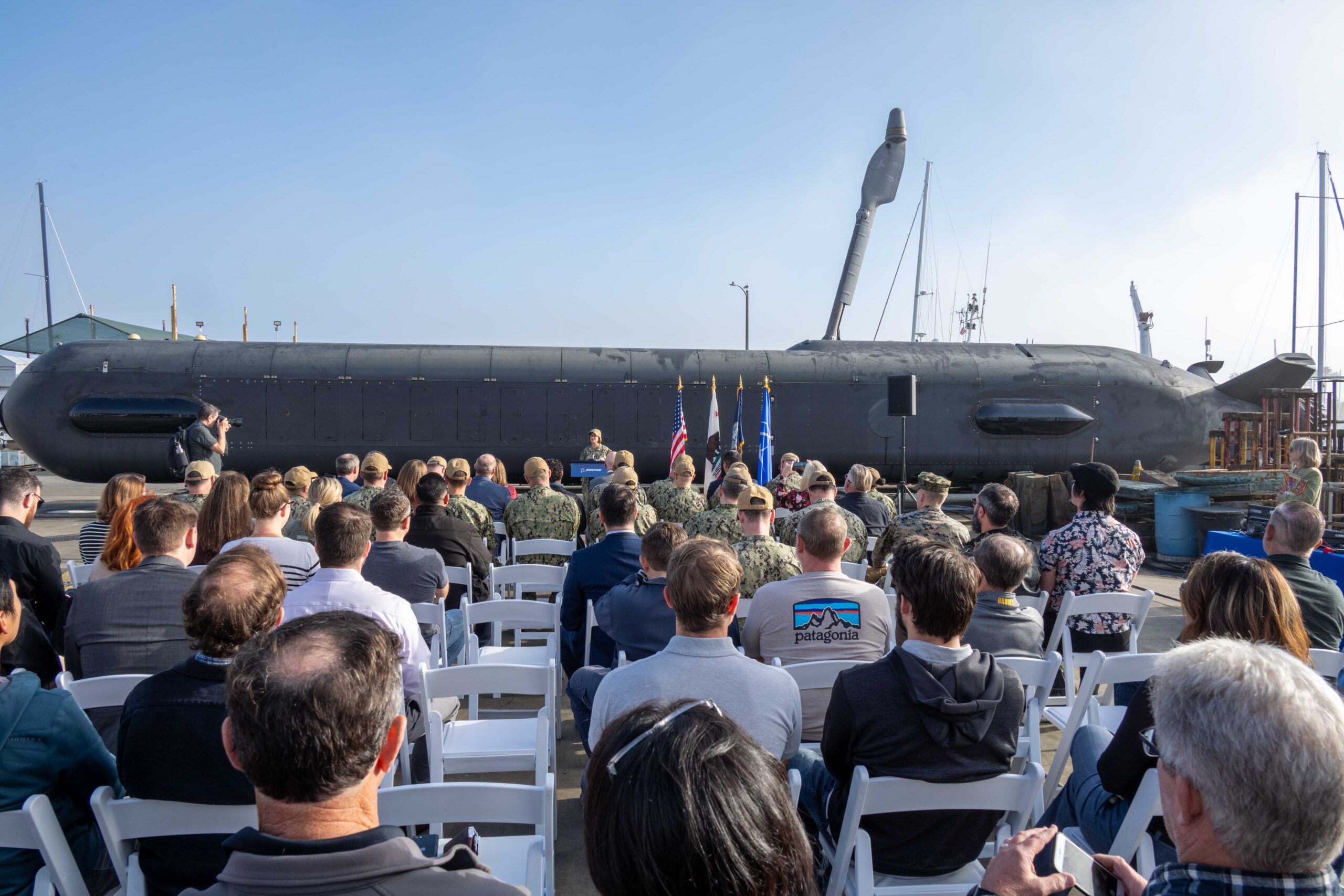
Saildrone, a company specializing in autonomous maritime vehicles, had its proposal for the MUSV initially dismissed by the Navy. The MUSV program, aimed at developing a versatile surface vessel capable of intelligence, surveillance, and reconnaissance (ISR) missions, is crucial for enhancing naval capabilities in increasingly contested waters. The judge's ruling underscores the necessity for the Navy to reassess its criteria and decision-making processes, especially when it comes to integrating cutting-edge technologies that promise to deliver operational advantages at reduced costs.
This case serves as a reminder of the challenges faced by companies in the defense industry, particularly those focused on affordable mass solutions. Saildrone's innovative approach aligns perfectly with the Department of Defense's (DoD) ongoing push for attritable systems—vehicles that can be produced in large quantities at lower costs while maintaining operational effectiveness. The successful integration of such systems into the Navy’s arsenal could significantly improve fleet readiness and resilience, especially in scenarios where traditional assets may be at risk.
Moreover, the ruling presents an opportunity for the Navy to embrace a broader range of solutions from non-traditional defense contractors. The rise of small, agile companies like Saildrone is indicative of a shift in the defense procurement paradigm, where innovation from the commercial sector can dramatically enhance military capabilities. As the defense landscape evolves, collaboration between established defense firms and emerging companies will be essential for creating a sustainable ecosystem that prioritizes affordability and effectiveness.
Looking ahead, this judicial decision could set a precedent that encourages other innovators to challenge procurement decisions and advocate for their solutions. The need for the Navy to reevaluate its stance on Saildrone's MUSV proposal could pave the way for a more inclusive approach to defense contracting—one that recognizes the value of diverse perspectives and technologies. As the Navy seeks to balance cost, performance, and readiness, the integration of low-cost, attritable systems will be vital in maintaining a competitive edge against adversaries.
In conclusion, the Saildrone case serves as a pivotal moment for the defense industry, highlighting the importance of embracing innovative solutions and fostering a procurement environment that prioritizes affordability and sustainability. As the Navy embarks on its reevaluation process, the outcomes will not only impact Saildrone but could also redefine the future of unmanned maritime operations, setting a course for a more resilient and capable naval force.