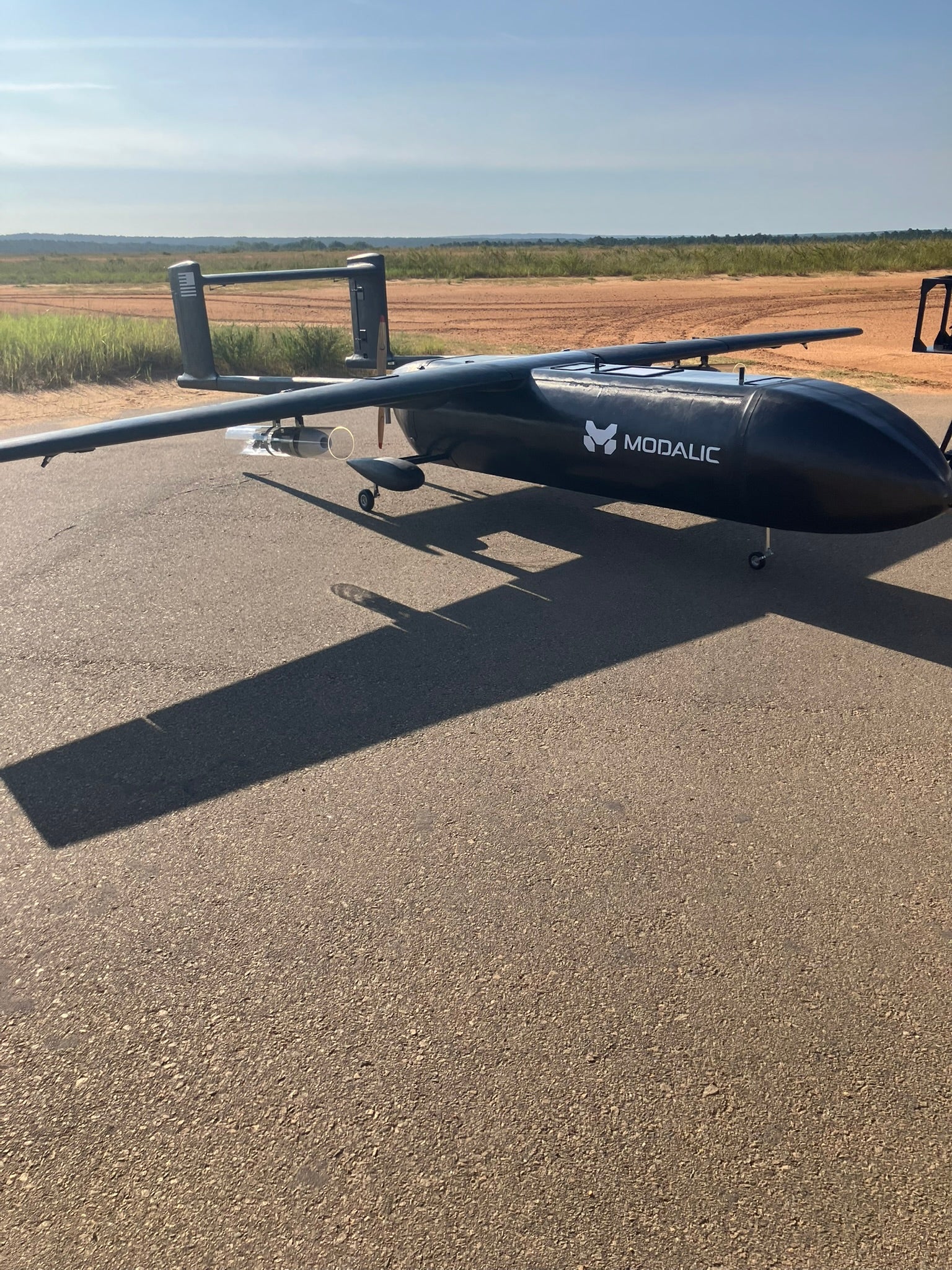
GE Aerospace Plans to Flight Test HyCAT Hypersonic Test Bed in 2028
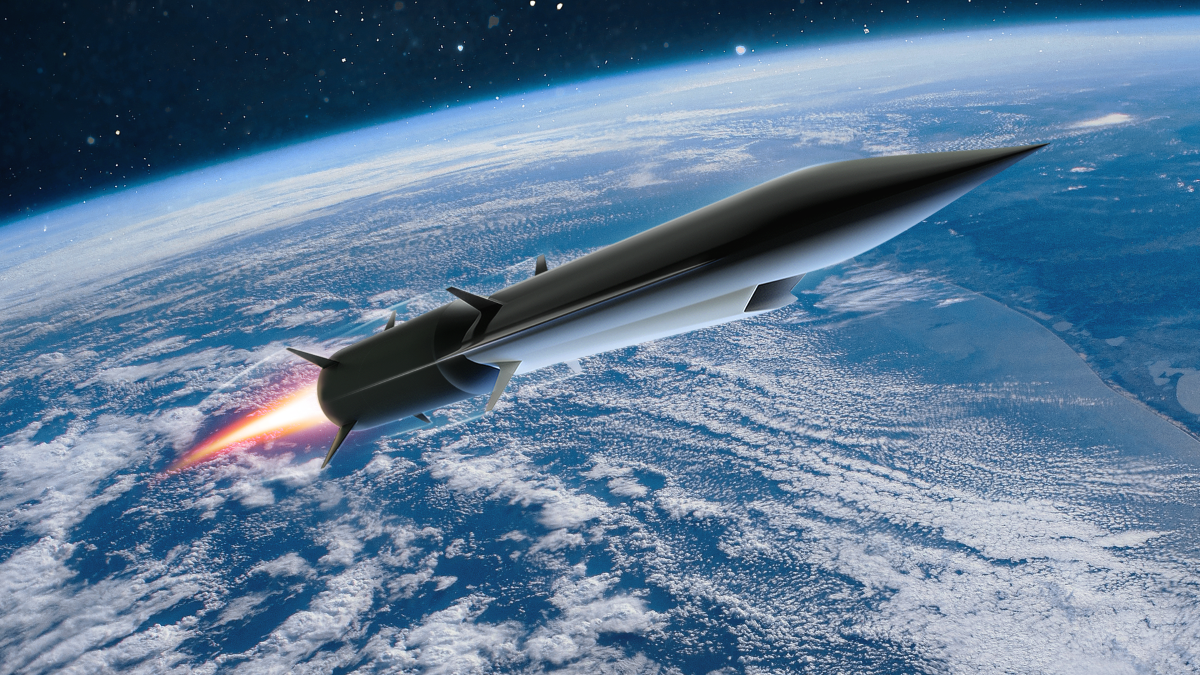
In the rapidly evolving landscape of aerospace innovation, the announcement by GE Aerospace to flight test its HyCAT (Hypersonic Combined Cycle Airbreathing Turbine) test bed in 2028 marks a significant milestone. As hypersonic technology accelerates from concept to reality, the implications for defense, national security, and commercial aviation cannot be overstated. Hypersonic vehicles promise not only unprecedented speed but also enhanced maneuverability, potentially transforming air combat strategies and logistics in ways we have only begun to imagine.
The HyCAT test bed is designed to operate across a range of speeds, intertwining both air-breathing and rocket propulsion systems. This hybrid approach could radically change the performance envelope for military and civilian applications alike. For the defense community, the ability to deploy hypersonic weapons systems means the potential to strike targets with speed and precision that current technologies cannot match. As adversaries also advance their hypersonic capabilities, the urgency for the U.S. to maintain technological superiority becomes increasingly critical.
Moreover, GE's commitment to flight testing HyCAT not only underscores its dedication to innovation in aerospace technology but also highlights the competitive landscape of hypersonic research and development. With nations worldwide investing heavily in similar technologies, the race to achieve dominance in hypersonics could redefine global military balances. For industry stakeholders, this development signifies a pivotal moment; those who invest and engage with hypersonic technologies now may find themselves at the forefront of the next wave of defense capabilities.
From an investment perspective, the announcement opens a window of opportunity for builders, suppliers, and tech companies involved in aerospace. The complexities of hypersonic systems will require collaboration across various sectors, including propulsion, materials science, and avionics. This creates a fertile ground for partnerships and investments that can drive innovation, reduce costs, and accelerate development timelines.
Lastly, as we look forward to 2028 and beyond, it is essential to consider the broader implications of hypersonic technology. While the military advantages are evident, the potential for commercial applications in areas such as passenger travel and cargo transport cannot be ignored. As the aerospace community rallies around the promise of hypersonics, the collaboration between government, industry, and academia will be paramount to navigate the challenges ahead. The HyCAT flight tests will not only serve as a benchmark for technological achievement but also as a catalyst for a new era in aerospace engineering, where speed and efficiency redefine our approach to air travel and defense operations.
In conclusion, the impending flight tests of the HyCAT hypersonic test bed by GE Aerospace signify more than just a technological advancement; they represent a strategic pivot in how the defense sector perceives and engages with the future of warfare. As the race for hypersonic supremacy heats up, stakeholders across the industry must remain vigilant, innovative, and collaborative to leverage the opportunities this transformative technology presents.