DIU Awards Three Prototype Contracts For Marine Corps ALPV
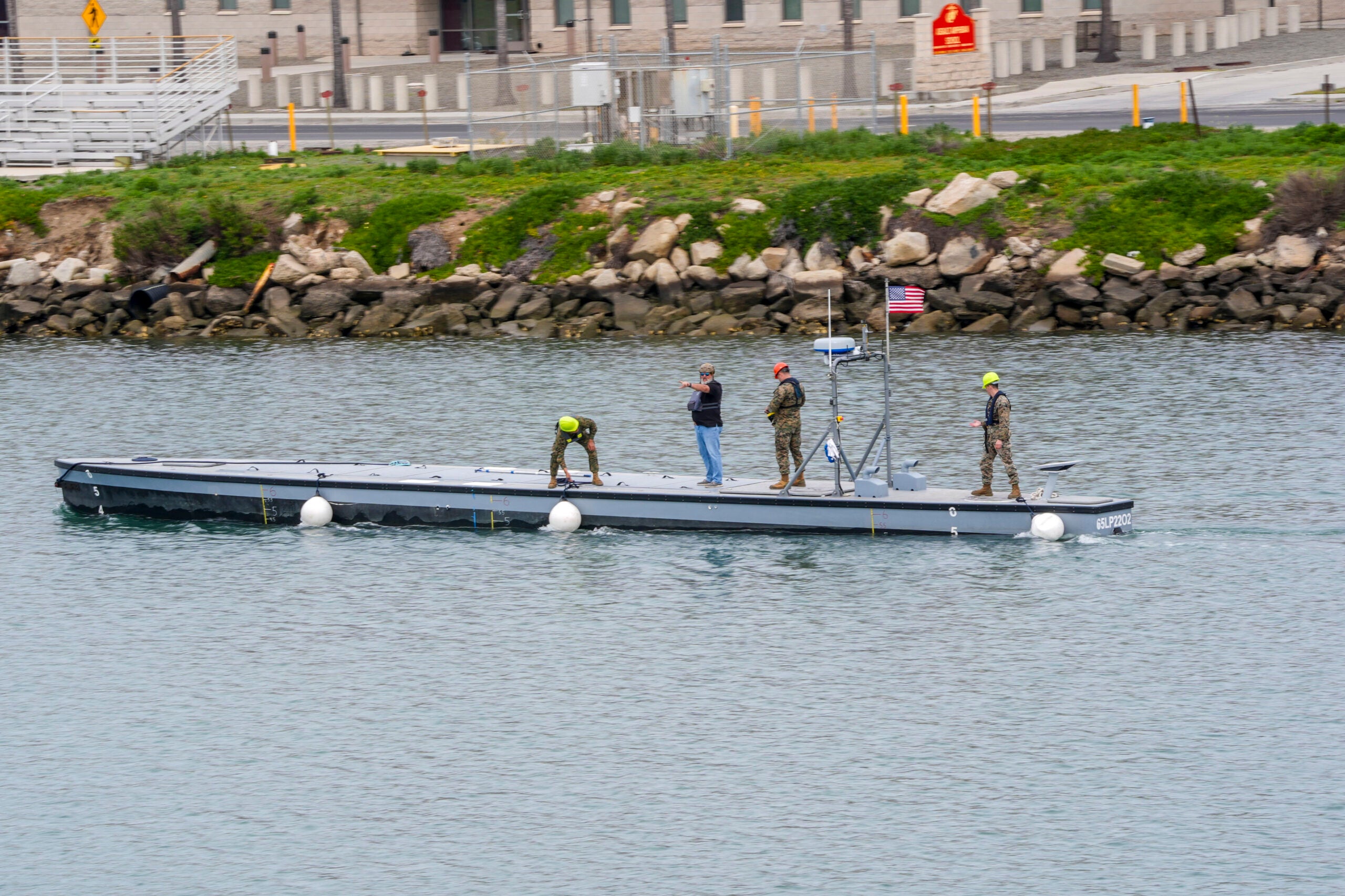
In a significant move that underscores the U.S. Marine Corps' commitment to modernizing its operational capabilities, the Defense Innovation Unit (DIU) has awarded three prototype contracts aimed at developing the Advanced Light Payload Vehicle (ALPV). This initiative not only reflects the military's ongoing emphasis on innovative solutions but also highlights a broader trend toward affordable mass in defense procurement, where cost-effective, attritable systems are becoming increasingly critical.
The ALPV is designed to enhance the Marine Corps' operational flexibility, providing a platform capable of carrying various payloads for reconnaissance, surveillance, and logistical support. These prototype contracts, awarded to three diverse companies, signal a shift towards leveraging commercial technology and agile development processes. By engaging multiple vendors, the DIU aims to foster competition and innovation, enabling the Marine Corps to select the most effective solution that meets its operational requirements.
This approach is particularly relevant in an era where defense budgets are tightening, and the demand for versatile and affordable systems is greater than ever. The pursuit of attritable systems—those that are low-cost and can be used in higher-risk environments without the concern of significant loss—aligns seamlessly with the Marine Corps' operational ethos. By investing in such technologies, the military can enhance its capabilities while ensuring that taxpayer dollars are spent wisely, focusing on sustainability and readiness.
Moreover, the emphasis on prototype contracts allows for rapid iteration and testing, significantly reducing the time from concept to deployment. This agile methodology not only accelerates innovation but also mitigates risks associated with traditional procurement processes that can be cumbersome and slow. As these prototypes are developed, the Marine Corps will gain valuable insights that can inform future iterations and adaptations, fostering a continuous improvement cycle that enhances fleet readiness and operational safety.
Looking ahead, the success of the ALPV initiative could serve as a blueprint for future defense programs, promoting a culture of innovation, collaboration, and affordability. As the military landscape evolves, the ability to quickly adapt and procure advanced systems will be paramount in maintaining strategic advantages. The DIU's proactive approach in awarding these contracts is a clear recognition of the necessity for the U.S. military to stay ahead of adversaries while ensuring its operational capabilities are both effective and sustainable. As we watch the developments of the ALPV closely, it will be crucial for stakeholders across the defense ecosystem to engage and collaborate in driving these advancements forward, ensuring that the Marine Corps remains equipped to meet the challenges of tomorrow.