CNO Downplays Near Term Unmanned Hybrid Fleet, Says Concept Of Deployment Too Fragile
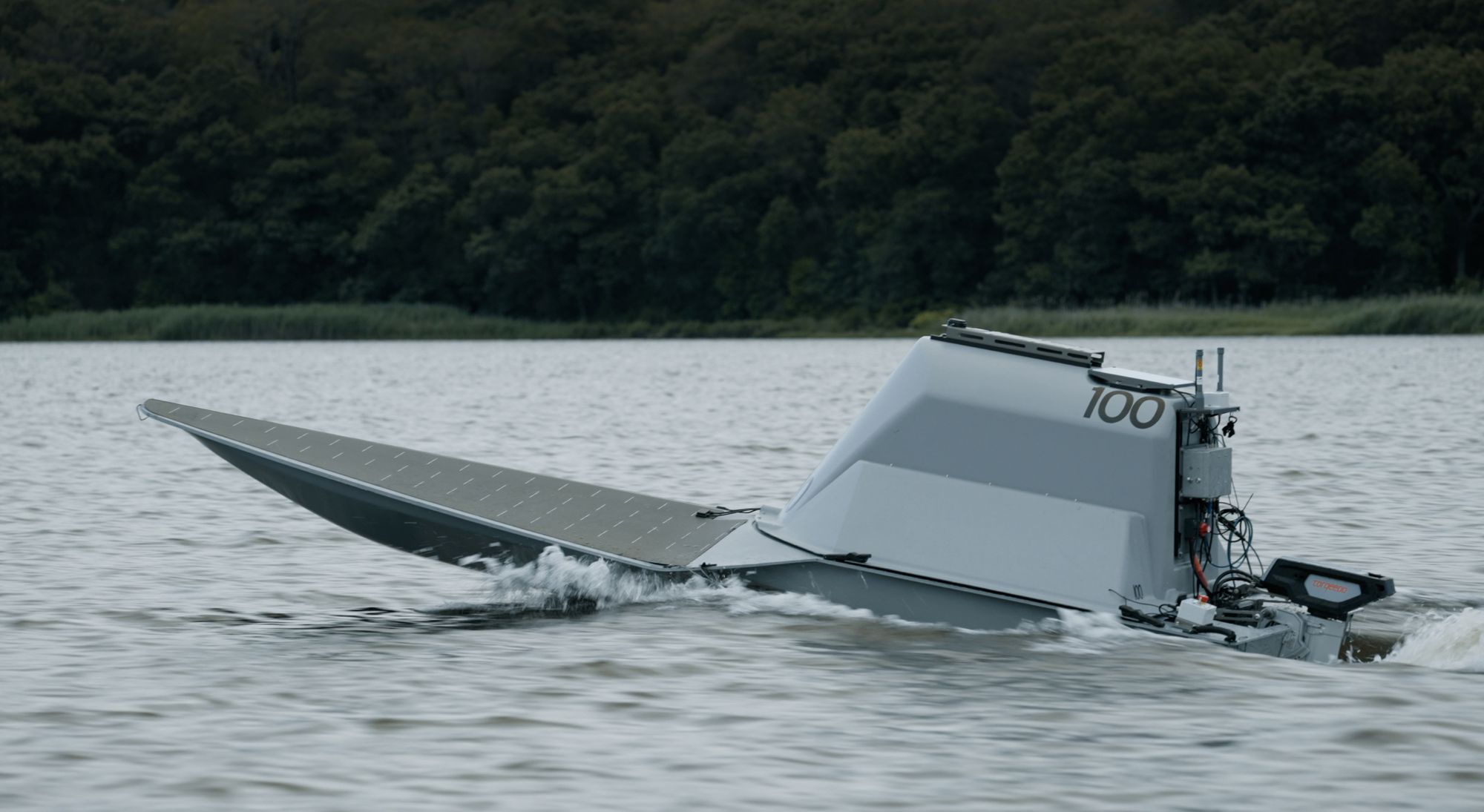
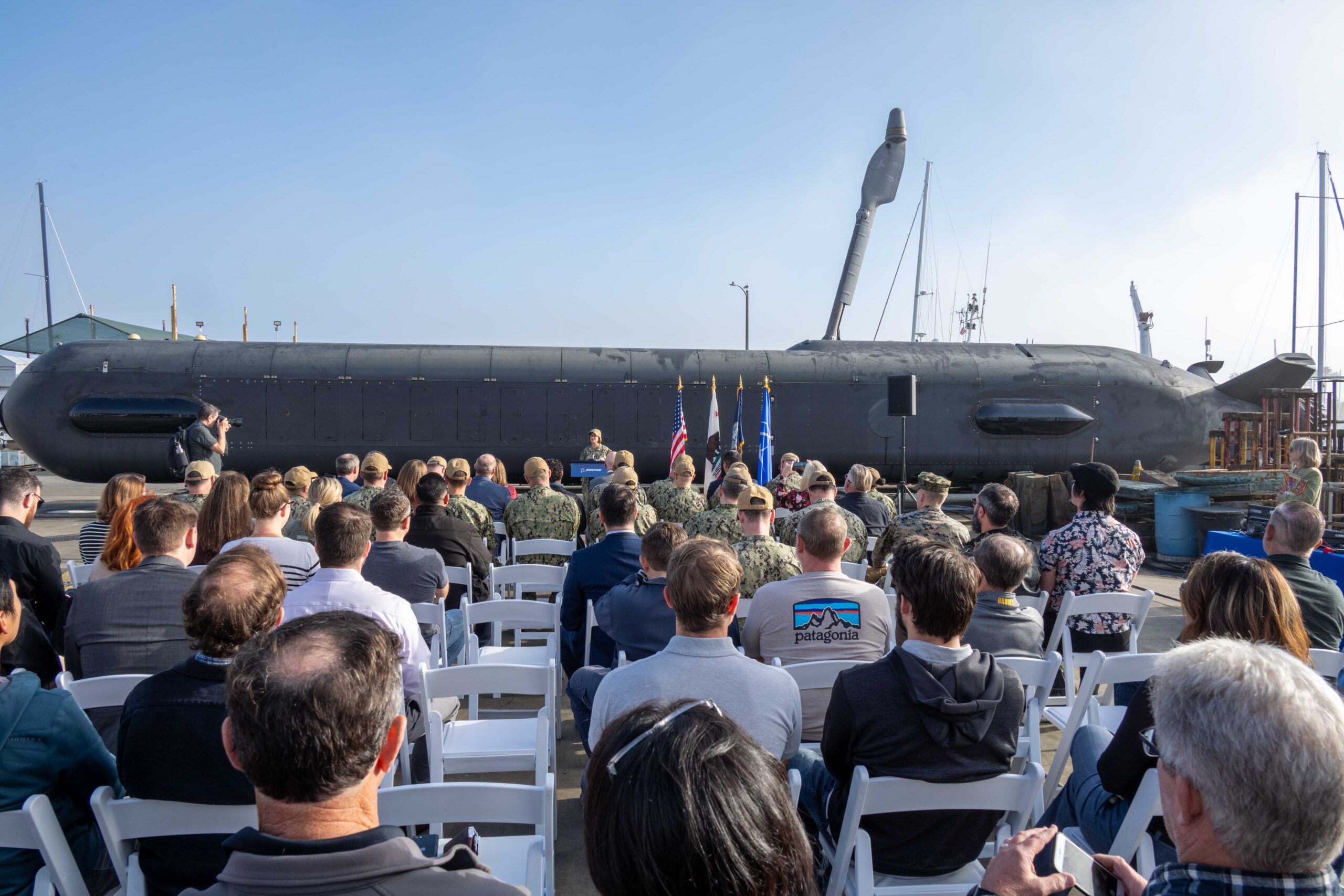
In a recent statement that has stirred conversations across the defense community, Chief of Naval Operations (CNO) Admiral Michael Gilday expressed skepticism regarding the near-term deployment of an unmanned hybrid fleet. He characterized the concept as 'too fragile,' raising questions about the viability of integrating unmanned systems into existing naval operations. This caution signals a pivotal moment for the U.S. Navy’s aspirations to capitalize on affordable mass and sustainment through autonomous technologies.
The notion of a hybrid fleet—integrating manned and unmanned vessels—has been a focal point in defense discussions, especially as advancements in autonomous systems promise to enhance operational capabilities while potentially reducing costs. A successful hybrid fleet could offer significant advantages, including increased operational flexibility, reduced risk to personnel, and a more cost-effective approach to maintaining naval readiness. However, Admiral Gilday’s remarks suggest that the current state of development and integration may not yet be robust enough to support such ambitious plans.
Understanding the CNO’s perspective requires a closer look at the underlying challenges associated with unmanned systems. The complexities of interoperability, the need for reliable communication networks, and the integration of these systems into traditional naval operations present substantial hurdles. Furthermore, the rapid pace of technological advancement in defense can often outstrip the ability of organizations to adapt and incorporate new systems effectively. Without a solid foundation, the hybrid fleet concept risks becoming a fragmented effort rather than a cohesive operational strategy.
For industry professionals—engineers, program managers, and investors—this cautionary stance serves as a critical reminder of the importance of sustainability in defense initiatives. While the allure of cutting-edge technology is undeniable, the focus should also remain on developing systems that can be reliably supported and sustained over time. The challenges highlighted by Admiral Gilday underscore the need for robust testing, validation, and integration protocols in the development of unmanned systems. Ensuring these systems can operate seamlessly within existing frameworks is crucial for long-term success.
Looking ahead, the path to realizing a successful unmanned hybrid fleet will not be a straight line. It will require iterative development, ongoing investment in research and technology, and a commitment to overcoming the obstacles that lie ahead. As the industry continues to explore the potential of affordable mass through attritable and autonomous systems, the emphasis must remain on building a resilient infrastructure that supports both current and future capabilities. The CNO's cautious approach may ultimately pave the way for more thoughtful, sustainable advancements in the realm of naval warfare, ensuring that when an unmanned hybrid fleet does deploy, it does so as a robust, integrated component of the Navy’s operational strategy.