Austin’s Star Is Still Shining Bright: Venture Funding To City’s Startups Hits All-Time High

Austin, Texas, often lauded as a burgeoning tech hub, is witnessing an unprecedented surge in venture funding for its startups, setting an all-time high in capital influx. As reported by Crunchbase News, this trend signals not just a local economic boom but also a pivotal moment for the defense and aerospace sectors, which are increasingly interwoven with advancements in technology. With venture capitalists pouring investments into areas like artificial intelligence, robotics, and advanced manufacturing, Austin is positioning itself as a critical player in the national defense landscape.
This surge in funding is particularly significant given the growing emphasis on technological superiority in defense strategy. As nations worldwide invest in innovations that enhance military capabilities, the startups emerging from Austin are uniquely equipped to contribute to this landscape. Companies specializing in dual-use technologies—those that serve both civilian and military applications—are at the forefront of this revolution. This creates a fertile ground for collaboration between private enterprises and government entities, fostering an ecosystem ripe for innovation in defense applications.
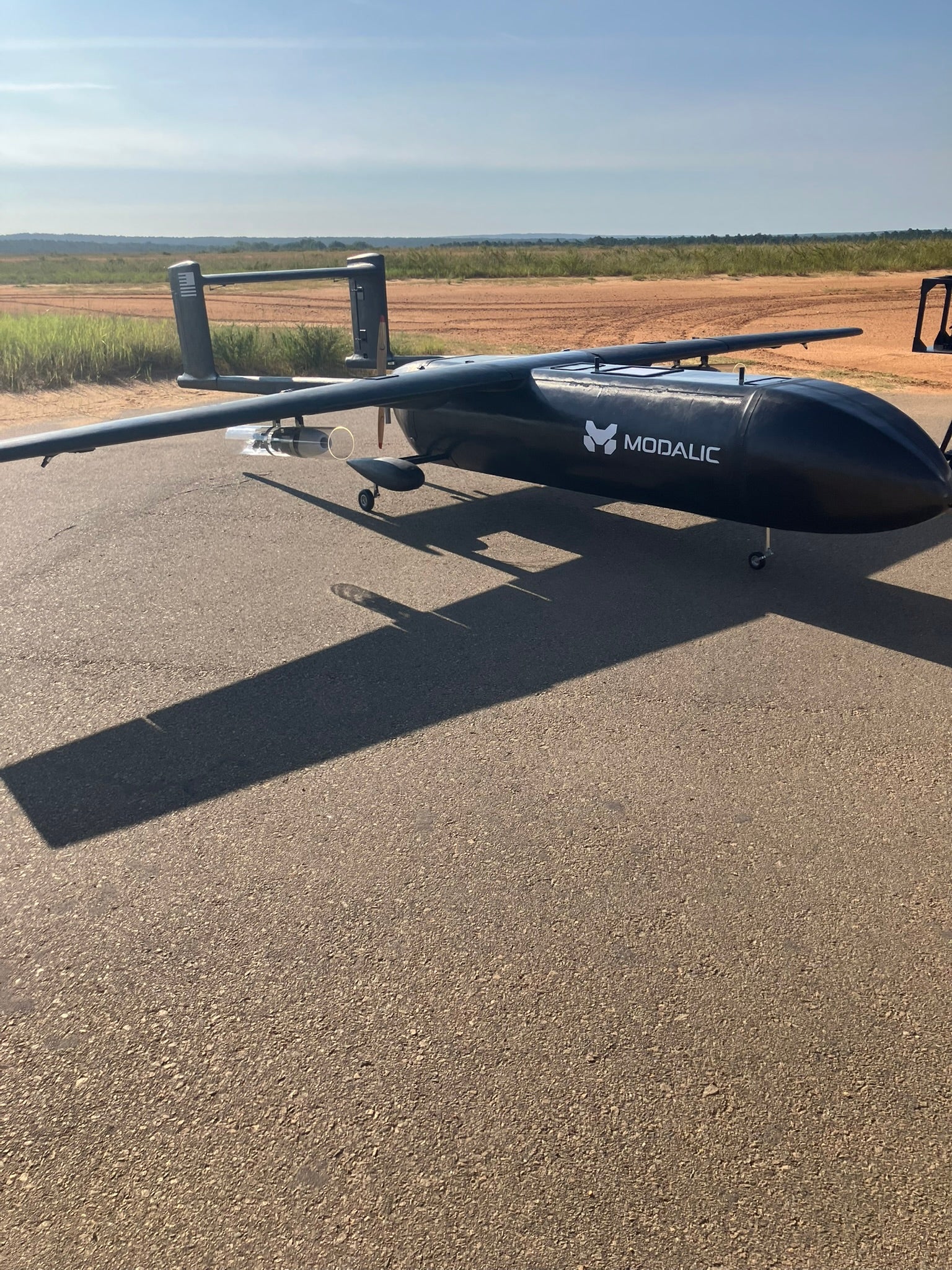
A notable focus area for many of these startups is artificial intelligence, which is transforming how military operations are conducted. From autonomous drones to advanced data analytics for decision-making, AI is becoming the backbone of modern warfare. Austin-based firms are leading the charge, developing cutting-edge solutions that not only enhance operational efficiency but also ensure the safety of personnel in the field. The convergence of AI with robotics further amplifies this potential, allowing for the creation of systems that can operate in environments too dangerous for human soldiers.
Manufacturing, another key sector benefiting from this funding influx, is also evolving. The push for advanced manufacturing technologies, including 3D printing and smart materials, aligns perfectly with the defense industry's need for rapid prototyping and agile supply chains. As geopolitical tensions rise, the ability to quickly produce and adapt military hardware becomes paramount. Austin's startups are not only responding to these needs but are also pioneering new manufacturing techniques that could reshape production practices across the defense sector.
What does this all mean for industry builders and investors? The implications are clear: Austin is not just a tech city; it is becoming a vital contributor to national security initiatives. For investors, this presents an opportunity to engage with startups that are at the intersection of technology and defense, potentially yielding high returns as these companies scale. For builders and defense professionals, the innovations emerging from this vibrant ecosystem could provide the tools and technologies necessary to maintain a competitive edge in an increasingly complex global arena.
Looking ahead, the trajectory of Austin's startup ecosystem appears bright. As venture funding continues to flow and the demand for innovative solutions in defense and aerospace escalates, Austin is poised to play a crucial role in shaping the future of these industries. With strategic investments and a focus on collaboration, the city is not only enhancing its local economy but also reinforcing its position as a key player on the global stage. The stars are indeed shining bright in Austin, and the defense sector stands to gain significantly from this momentum.