Army awards first-ever laser production contract to AV, with $465M value
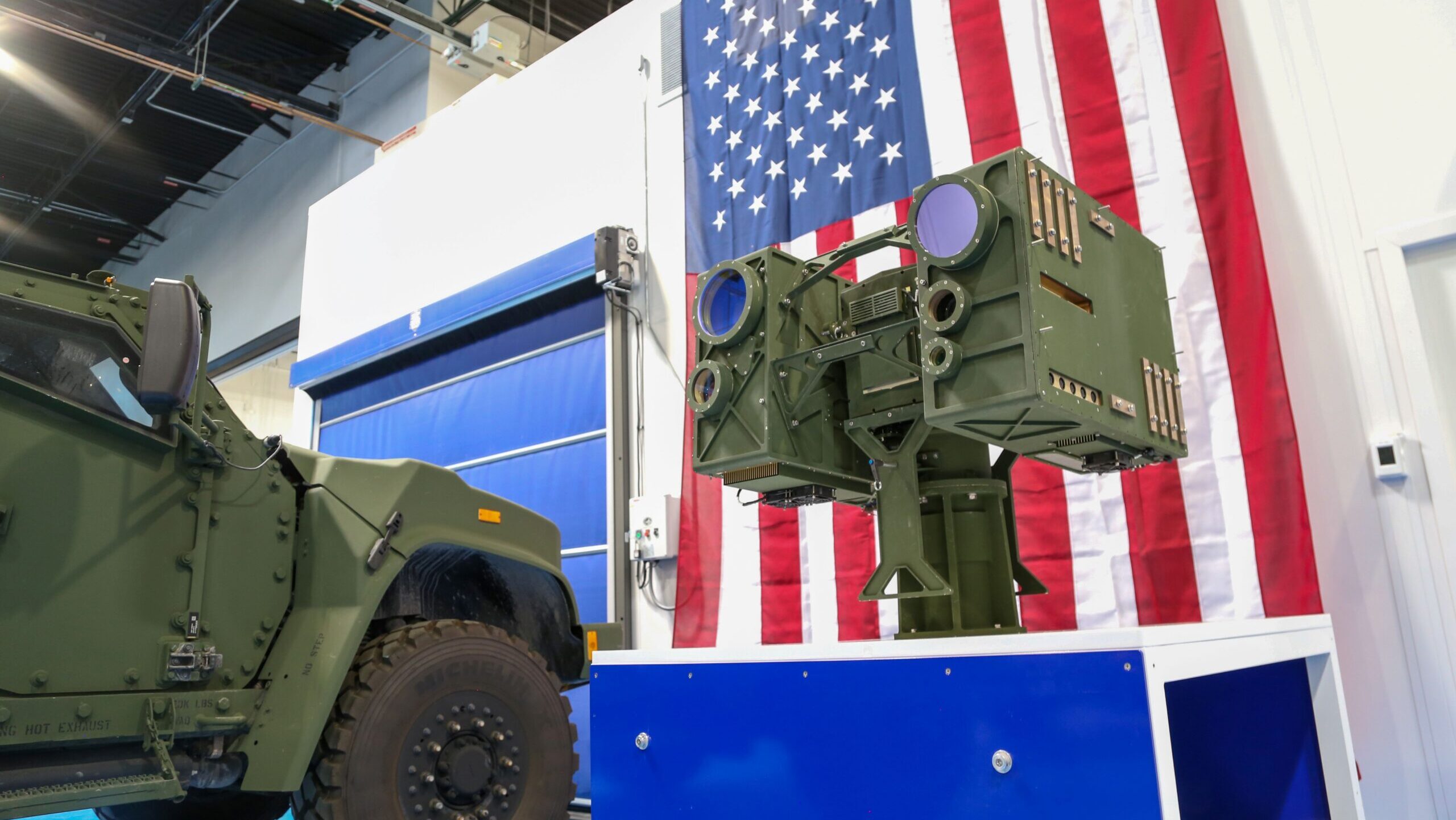
In a groundbreaking move for the U.S. Army and the broader defense industry, the Army has awarded its first-ever production contract for laser systems to the defense contractor AV, valued at an impressive $465 million. This landmark agreement not only signifies a substantial shift in military technology but also reflects the increasing importance of directed energy weapons in modern warfare. As nations around the globe seek to enhance their defense capabilities, this contract underscores the U.S. commitment to innovative solutions that aim to reshape the future battlefield.
The awarded contract establishes AV as a key player in the burgeoning field of laser weaponry, which has been gaining traction as a viable alternative to traditional ammunition. Laser systems offer several advantages, including lower operational costs, reduced logistical burdens, and the ability to engage multiple targets with precision. As the military seeks to modernize its arsenal, investments in such technologies are essential for maintaining a competitive edge against potential adversaries who are also exploring similar advancements.
Moreover, this contract is a testimony to the Army's strategic pivot towards high-tech solutions to address evolving threats. The increasing frequency of drone warfare and other asymmetric threats has prompted military leaders to explore non-kinetic options that can effectively neutralize these challenges without collateral damage. By investing in laser technology, the Army is not only enhancing its defensive capabilities but also aligning its resources with the realities of contemporary conflict.
This contract also presents a unique opportunity for investors and builders in the defense sector. As the military transitions towards more sophisticated technologies, there will be a growing demand for suppliers and manufacturers that can meet the needs of this rapidly evolving landscape. Companies like AV, which can innovate and scale their production capabilities, are likely to attract further interest from both private investors and government contracts, creating a ripple effect throughout the defense supply chain.
Looking ahead, the implications of this contract extend beyond immediate military applications. As laser technology matures, its potential uses could expand into commercial sectors, including security, telecommunications, and even energy production. The partnership between the Army and AV could serve as a model for future collaborations between the military and private industry, fostering an environment where innovation thrives. As we witness the dawn of a new era in military technology, it is clear that the integration of laser systems will play a pivotal role in shaping the defense strategies of tomorrow.
In conclusion, the Army's $465 million contract with AV marks a significant milestone in the evolution of defense technology, illustrating a commitment to modernize and adapt in the face of changing threats. For builders, investors, and defense professionals, this development signals a fertile ground for growth and innovation, making it imperative to stay informed and engaged with the ongoing shifts in the industry.