Airbus Demos Unmanned Lakota For Army, Details Latest Flight Tests For Marines’ ALC Effort
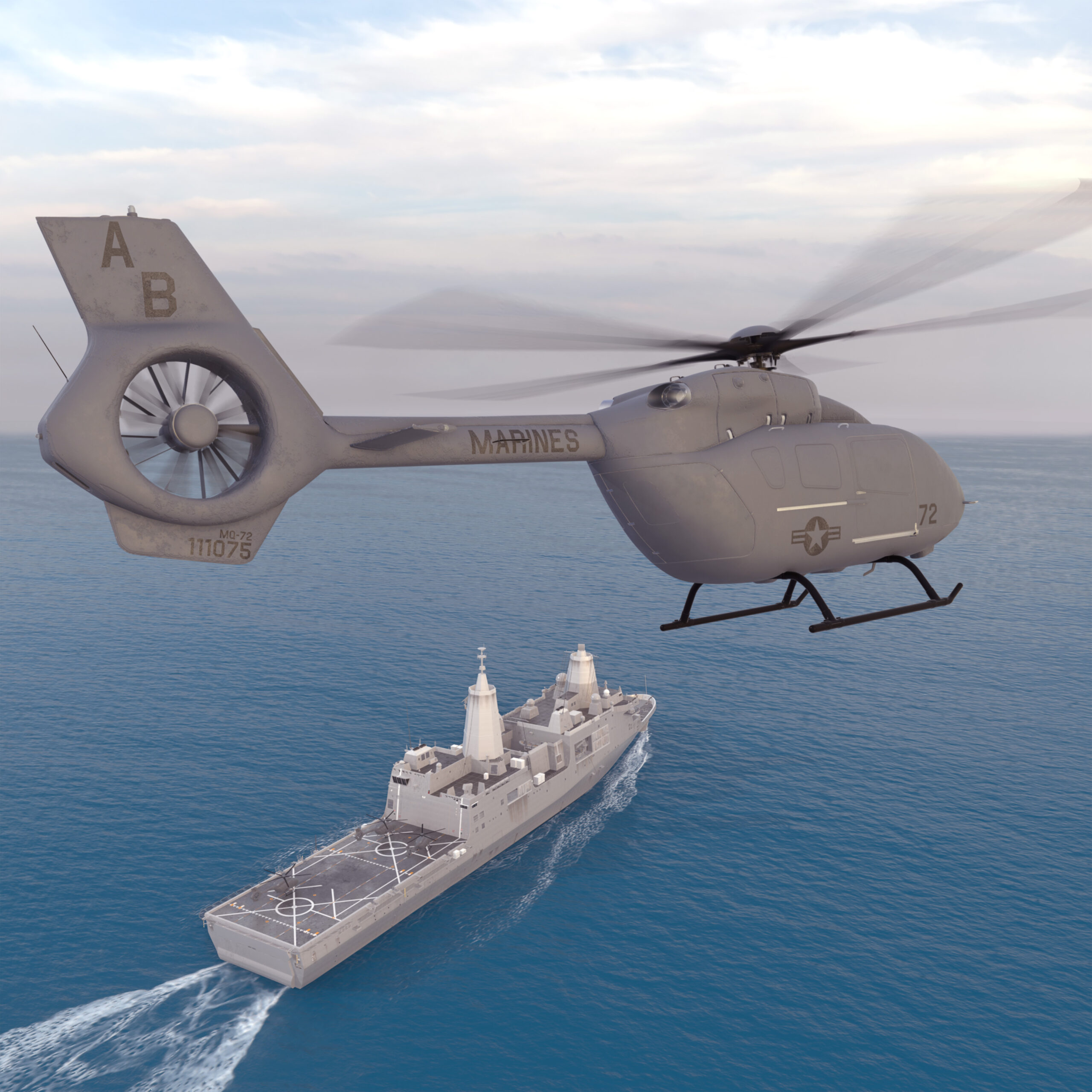
In an era where the defense landscape is rapidly evolving, Airbus is stepping up its game by showcasing the unmanned variant of the Lakota helicopter. This demonstration not only highlights Airbus’ commitment to innovation but also showcases the Army's strategic pivot towards integrating unmanned systems into its operational framework. The Lakota, known for its versatility and reliability, is now being reimagined as an unmanned asset, reflecting a growing emphasis on autonomous systems that can enhance mission capabilities while reducing operational costs.
The recent flight tests conducted by Airbus focus on the Army's requirements while also providing insights into the broader Marine Corps’ Aerial Layered Command (ALC) initiative. The integration of unmanned systems into these platforms signals a significant shift in how military operations are conducted. By employing technologies that can operate autonomously or semi-autonomously, the armed forces can achieve greater operational efficiency and effectiveness, which is crucial in contemporary conflict scenarios where time and resource management are paramount.
What makes this development particularly compelling is its alignment with the principles of affordable mass and sustainment. Unmanned systems like the Lakota can be produced at scale and deployed in larger quantities, making them a cost-effective solution for the military. The reduced need for human pilots not only enhances safety but also allows for more flexible operational strategies, enabling the armed forces to maintain a persistent presence in contested environments without overextending personnel resources.
Moreover, as the military grapples with aging fleets and the associated costs for maintenance and upgrades, the shift toward automated and attritable systems provides a pathway to sustainability. The ability to procure and operate unmanned assets at a fraction of the cost of traditional manned aircraft means that defense budgets can be allocated more efficiently, ultimately leading to a more agile and responsive military force. This transition is not merely about replacing old systems; it's about rethinking the entire approach to military aviation and operational readiness.
As Airbus and other defense contractors continue to innovate in this space, the implications for future military operations are profound. The ongoing development of the unmanned Lakota is just one example of how defense industry stakeholders are leveraging technology to meet the challenges of modern warfare. Looking ahead, we can anticipate further advancements in unmanned systems that will not only enhance combat effectiveness but also ensure that fleets remain ready, safe, and affordable to operate. The path forward is clear: embracing affordable mass through unmanned technologies will be vital for maintaining competitive advantage in an increasingly complex global defense environment.