$694 Million Production Contract May Straighten ARRW
$694 Million Production Contract May Straighten ARRW
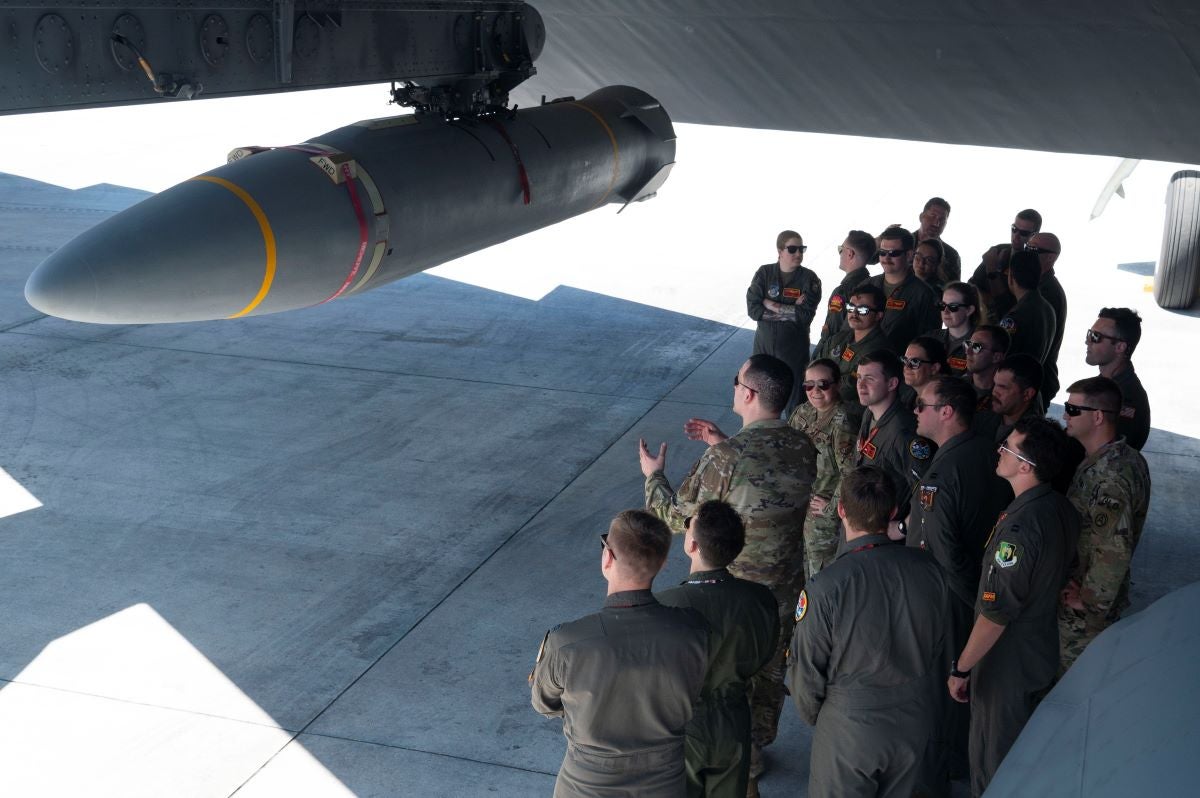
In a significant move towards enhancing U.S. defense capabilities, the Department of Defense has awarded a $694 million production contract for the Air-launched Rapid Response Weapon (ARRW). This contract aims to ramp up the production of a hypersonic weapon system that promises to redefine aerial strike capabilities. As defense budgets tighten and the demands for rapid response systems grow, this investment not only highlights the military's commitment to hypersonic technology but also underscores the importance of affordable mass production in modern warfare.
The ARRW program is pivotal because it embodies the military's shift towards more agile, attritable systems that can be produced in quantity without exorbitant costs. Traditional weapon systems often come with high price tags and long development cycles, but the ARRW is designed to be produced rapidly and affordably. This paradigm shift is essential as the U.S. seeks to maintain its competitive edge in the face of escalating threats from adversaries who are also investing heavily in hypersonic technologies.
The contract awarded to Lockheed Martin represents a vital step in transitioning the ARRW from a developmental phase to full operational capability. As a key player in the defense industry, Lockheed Martin's production efforts will be closely watched by engineers and program managers who are tasked with ensuring that such advanced systems remain not only effective but also sustainable. The focus on cost-effective production will be crucial for maintaining a fleet of hypersonic weapons that can be deployed quickly and effectively, thereby enhancing overall national security.
Moreover, the implications of this contract extend beyond the ARRW itself. It signals a broader trend towards integrating innovative manufacturing processes and materials that can drive down costs while increasing reliability. For investors and suppliers in the defense sector, this could mean new opportunities in the supply chain as the industry pivots towards technologies that enable faster and cheaper production without sacrificing performance or quality. The focus on sustainment is particularly significant, as maintaining readiness and ensuring the safety of these advanced systems will require robust logistical frameworks that can support high-tempo operations.
As we look ahead, the ARRW production contract serves as a bellwether for the future of defense procurement strategies. The emphasis on affordable mass production will likely become a model for other weapon systems, encouraging a shift towards a more resilient and agile defense posture. By prioritizing attritable systems like the ARRW, the U.S. can better prepare for the complexities of modern warfare, ensuring that it is equipped to respond swiftly and decisively to emerging threats on the global stage. The success of this program may indeed chart a new course for how defense capabilities are developed, produced, and sustained in the years to come.