USAF Looks To Start Building Family Of Affordable Mass Missiles In September
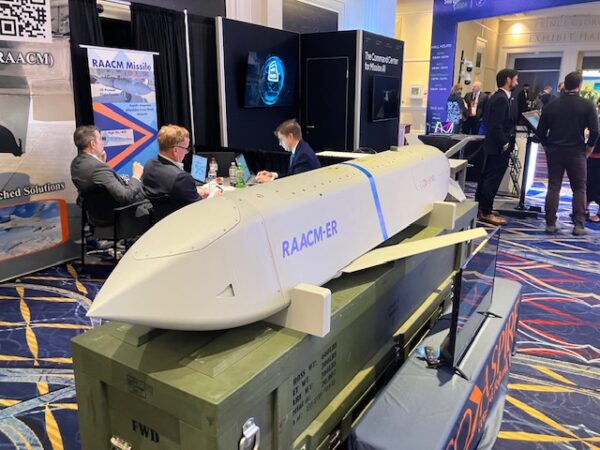
In a strategic pivot that underscores the evolving landscape of modern warfare, the United States Air Force (USAF) is set to initiate the production of a new family of affordable mass missiles as early as September. This ambitious initiative is poised to reshape the defense capabilities of the United States, providing a cost-effective solution to enhance deterrence and strike capabilities in an increasingly complex global security environment. The emphasis on affordability not only signals a shift in procurement strategies but also reflects the urgent need to maintain technological superiority against adversaries who are rapidly advancing their missile capabilities.
The USAF's move towards developing a family of mass missiles comes at a time when traditional military deterrence strategies are being challenged by asymmetric threats. These affordable missiles are envisioned to be deployed in a range of scenarios, from counterinsurgency operations to high-intensity conflicts against peer adversaries. By lowering the cost per unit, the USAF can consider larger stockpiles of missiles, thus allowing for a more robust response capability. This is particularly crucial as the defense community grapples with the implications of advanced missile technologies being proliferated by nations such as China and Russia.
This initiative is not merely a procurement effort; it represents a fundamental shift in how the U.S. military views its arsenal. The concept of mass missile production aligns with the Pentagon's broader strategy of embracing a more agile and responsive military force. The focus on massed fires—utilizing large quantities of relatively inexpensive missiles—enables the USAF to execute saturation strikes, complicating enemy defenses and overwhelming targets. This strategy echoes lessons learned from recent conflicts where precision strikes have been complemented by the need for sheer volume in munitions.
Moreover, the development of these affordable missile systems is expected to inspire innovation within the defense industrial base. By inviting a wider range of contractors to participate in the design and manufacturing processes, the USAF is likely to stimulate competition and drive down costs further. This could open the door for smaller firms and tech startups to contribute, fostering an ecosystem of innovation that leverages emerging technologies such as artificial intelligence and advanced materials. The collaboration between established defense contractors and new entrants could be transformative, bringing fresh perspectives and agility to the development cycle.
As we look ahead, the implications of the USAF's decision to embark on this missile program could extend well beyond the battlefield. The emphasis on affordability may set a precedent for other branches of the armed forces seeking to modernize their arsenals without incurring exorbitant costs. Additionally, this initiative could enhance international partnerships, as allied nations may seek to adopt similar systems to bolster their own defense capabilities. The interconnectedness of global security means that advancements in U.S. military technology will likely reverberate worldwide, influencing defense strategies and procurement decisions across allied nations.
In conclusion, the USAF's initiative to build a family of affordable mass missiles represents a critical evolution in defense strategy, one that prioritizes both capability and cost-effectiveness. As the defense industry watches closely, stakeholders must prepare to adapt to the changes this initiative will bring, not only in terms of technology but also in the broader context of international military dynamics. As we move forward, the focus will be on how effectively these new systems can be integrated into existing operations and how they will shape the future of military engagements around the globe.