US Air Force awards first CCA production contracts to General Atomics, Anduril
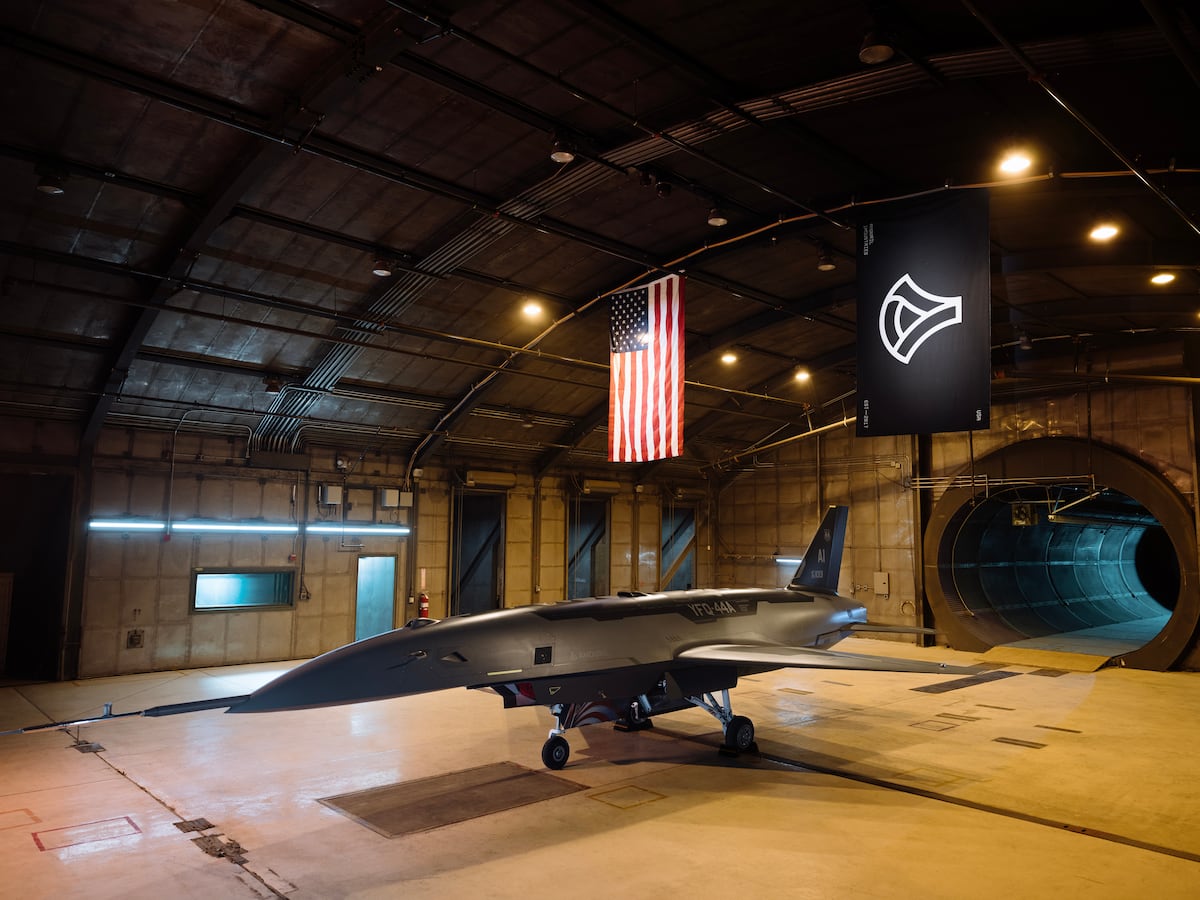
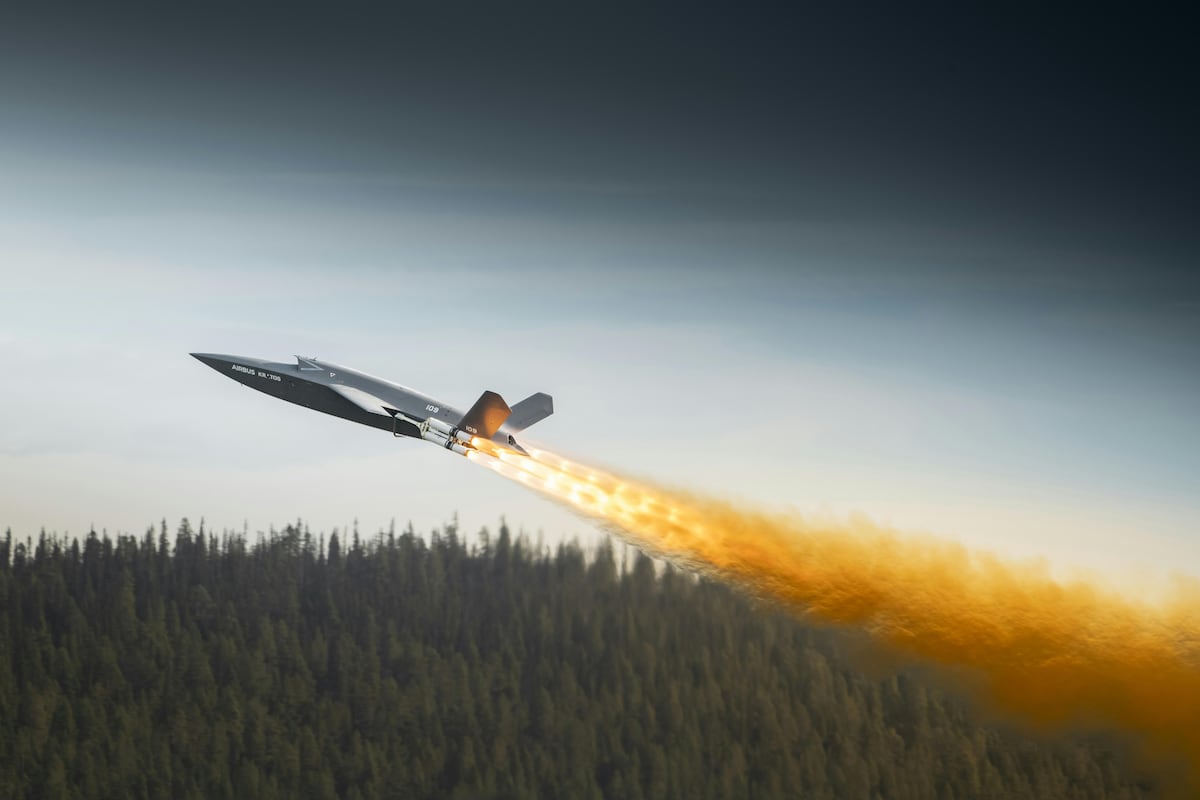
In a significant move for the future of military aviation, the U.S. Air Force has awarded its first production contracts for the Collaborative Combat Aircraft (CCA) program to industry leaders General Atomics and Anduril Industries. This milestone not only signals the Air Force's commitment to enhancing its air capabilities but also marks a pivotal moment in the ongoing integration of advanced technologies into defense operations. As the military landscape continues to evolve, driven by rapid technological advancements and emerging threats, the CCA initiative represents a forward-thinking approach to air combat.
The CCA program aims to develop a new generation of unmanned aircraft that can operate collaboratively with manned platforms, enhancing both strategy and effectiveness in combat scenarios. By utilizing artificial intelligence and advanced autonomy, these unmanned systems will be able to engage in complex missions, gathering intelligence, and executing tactical operations without direct human intervention. This shift towards automation in warfare not only promises to increase operational efficiency but also aims to reduce the risk to human pilots in high-threat environments.
General Atomics, known for its Predator and Reaper drone families, brings a wealth of experience in unmanned systems to the table. Their involvement in the CCA program is expected to leverage existing technologies while pushing the boundaries of what unmanned systems can achieve. Meanwhile, Anduril Industries, celebrated for its innovative defense technology solutions, is rapidly gaining recognition for its capabilities in artificial intelligence and autonomous systems. The collaboration between these two companies is poised to accelerate the development of CCAs, potentially redefining how aerial combat is conducted.
The significance of these contracts extends beyond the immediate technological advancements they promise. They signify a shift in defense procurement strategies, moving towards a more agile and responsive model that embraces innovation and encourages competition among private sector players. This approach is crucial as the defense industry faces the dual challenge of modernizing legacy systems while integrating cutting-edge technologies to counteract evolving threats. By fostering partnerships with tech-savvy companies, the Air Force is laying the groundwork for a more resilient and adaptable force.
Looking ahead, the implications of the CCA program are vast. If successful, the integration of these collaborative systems could revolutionize air warfare, creating a network of manned and unmanned assets that operate seamlessly together. This not only enhances mission effectiveness but also sets a precedent for future defense initiatives focused on interoperability and technological integration. As defense contractors and investors alike watch this space closely, the outcome of this program could well dictate the trajectory of military aviation for years to come.
In conclusion, the U.S. Air Force's decision to award production contracts for CCAs marks a significant leap towards modernizing air combat capabilities. The collaboration between General Atomics and Anduril Industries showcases a promising synergy that could lead to groundbreaking advancements in unmanned systems. As the defense community navigates this evolving landscape, the outcomes of these contracts will be pivotal in shaping the future of military aviation and the broader defense sector.