Navy Demos Dual Use Laser For Power Transfer And C-UAS
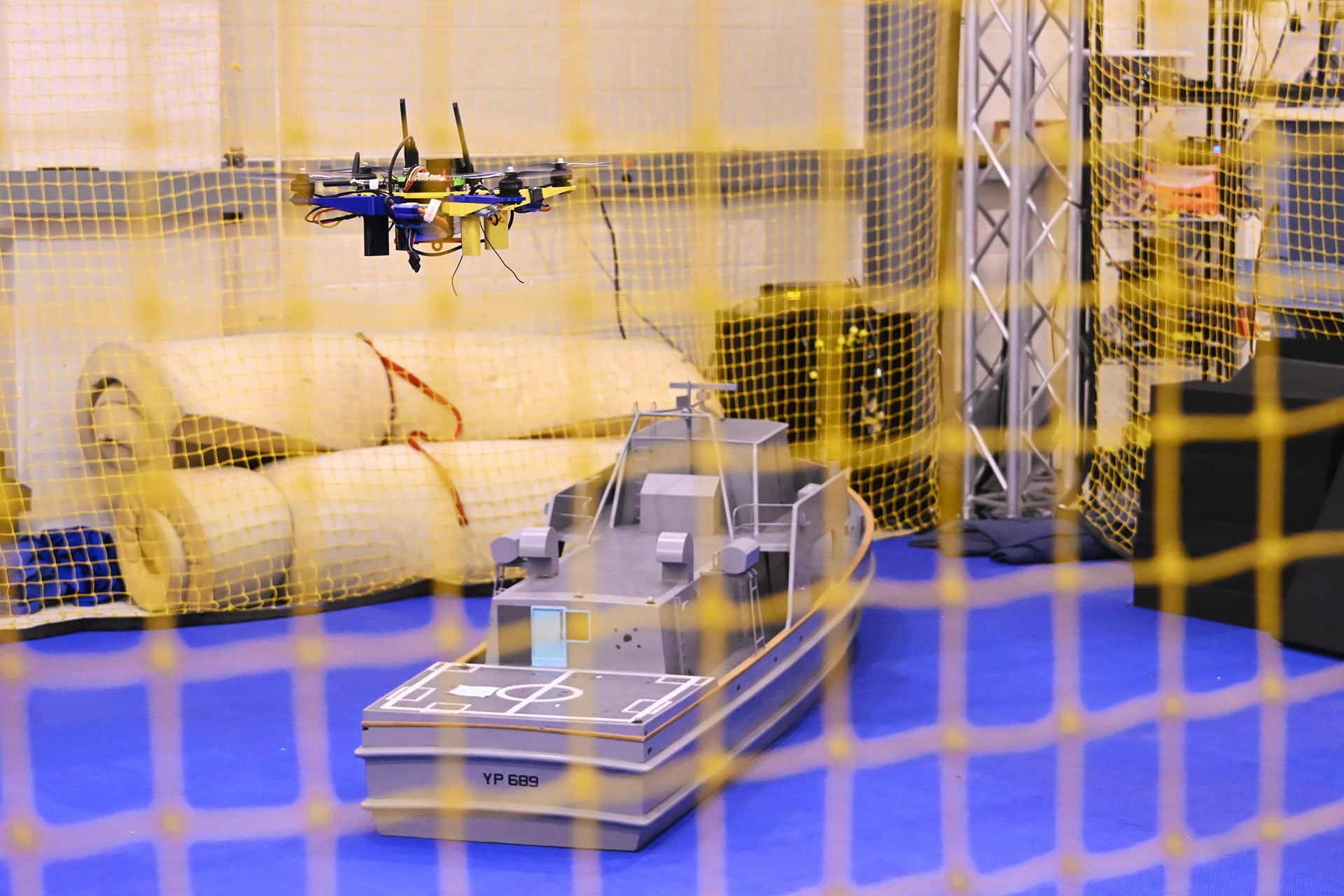
In a stunning demonstration of technological innovation, the U.S. Navy has unveiled a dual-use laser system that showcases its potential for both power transfer and counter-unmanned aerial systems (C-UAS) applications. This breakthrough not only highlights the Navy's commitment to harnessing advanced technologies to enhance operational capabilities but also underscores a pivotal shift in defense strategies as military forces increasingly face the threats posed by aerial drones. As military operations become more complex and multifaceted, the need for versatile defense systems is paramount, and this demonstration could represent a significant leap forward.
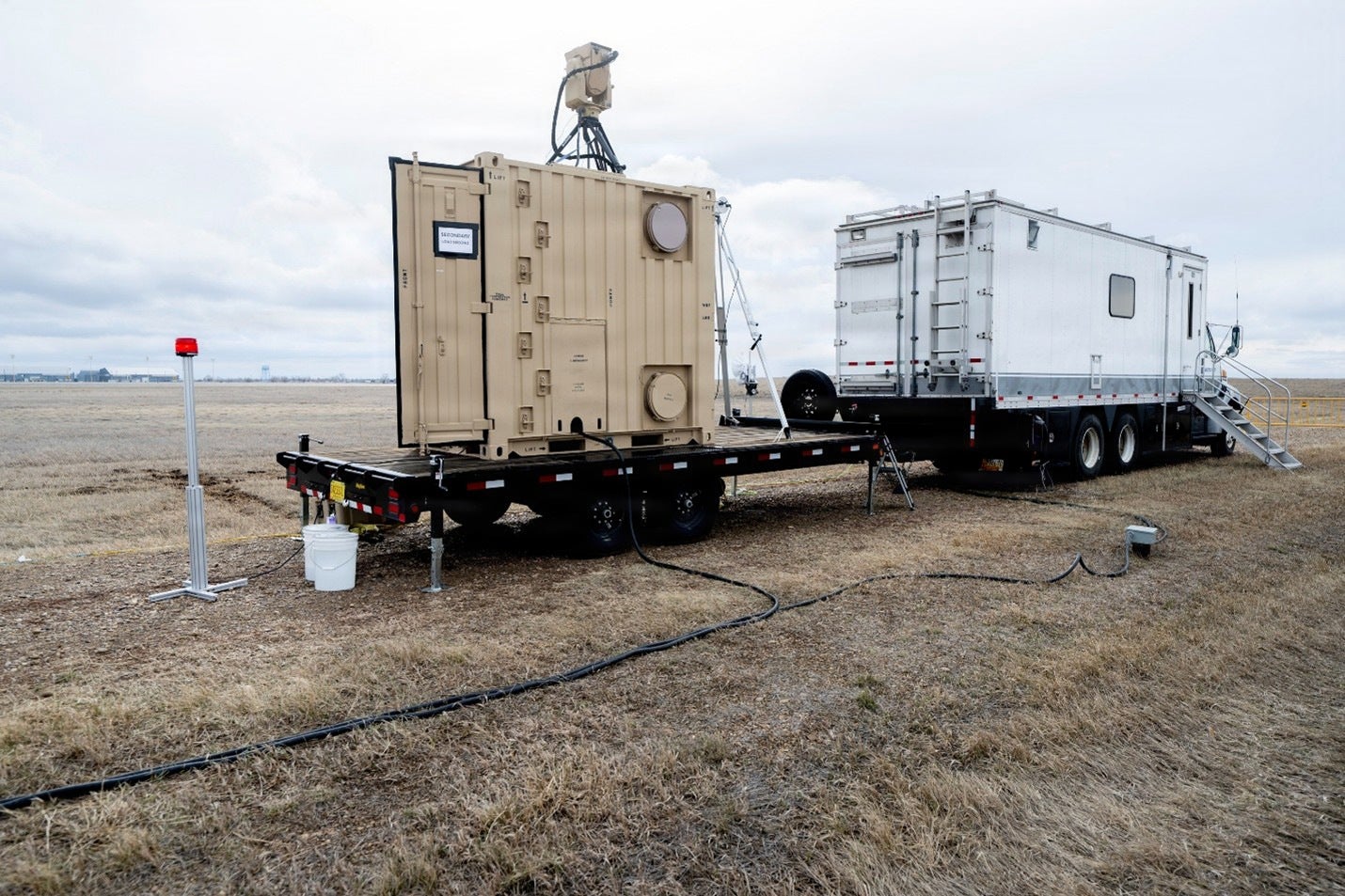
The dual-use laser system, developed as part of ongoing research by the Office of Naval Research, is designed to fulfill two critical roles. On one hand, it provides the capability to deliver energy wirelessly over considerable distances, potentially revolutionizing how power is supplied to remote systems and equipment in the field. On the other hand, its C-UAS functionality offers a proactive response to the increasing prevalence of drones in hostile environments. This duality not only enhances operational efficiency but also exemplifies the Navy’s strategy of integrating cutting-edge technologies to address evolving threats.
The implications of this technology for the defense and aerospace sectors are profound. As nations around the globe invest heavily in drone capabilities, both for reconnaissance and offensive operations, the need for effective countermeasures grows increasingly critical. By deploying a laser system that can both neutralize enemy drones and provide energy to remote assets, the Navy is not only bolstering its defensive posture but also paving the way for operational flexibility that could redefine engagement rules in future conflicts. This technology could serve as a force multiplier, allowing for smaller teams to achieve greater results through the use of innovative solutions.
Moreover, the development of such dual-use systems reflects a broader trend in the defense industry toward converging capabilities. As military budgets tighten and demands for operational readiness escalate, the ability to create multifunctional platforms becomes invaluable. The integration of power transfer capabilities with C-UAS functions is a prime example of how defense contractors can optimize resource allocation while enhancing effectiveness on the battlefield.
Looking ahead, the successful deployment of this dual-use laser technology could signal the beginning of a new era in military operations where energy and defense systems are seamlessly intertwined. As the Navy continues to refine this technology, it is essential for defense industry stakeholders to engage in dialogue about the implications of these advancements. The potential for commercial applications also cannot be overlooked; as military technologies often transition into civilian sectors, this innovation may pave the way for new energy solutions in various industries.
In conclusion, the Navy’s demonstration of its dual-use laser system is more than just a technological showcase; it represents a strategic pivot toward integrated solutions that address both current and future challenges in defense. As the aerospace and defense sectors evolve, the focus on versatility and multifunctionality will only intensify, making this an exciting time for industry professionals and investors alike.