SASC Cites Concern With Army’s sUAS Approach, Seeks Info On Plans To Scale Fielding
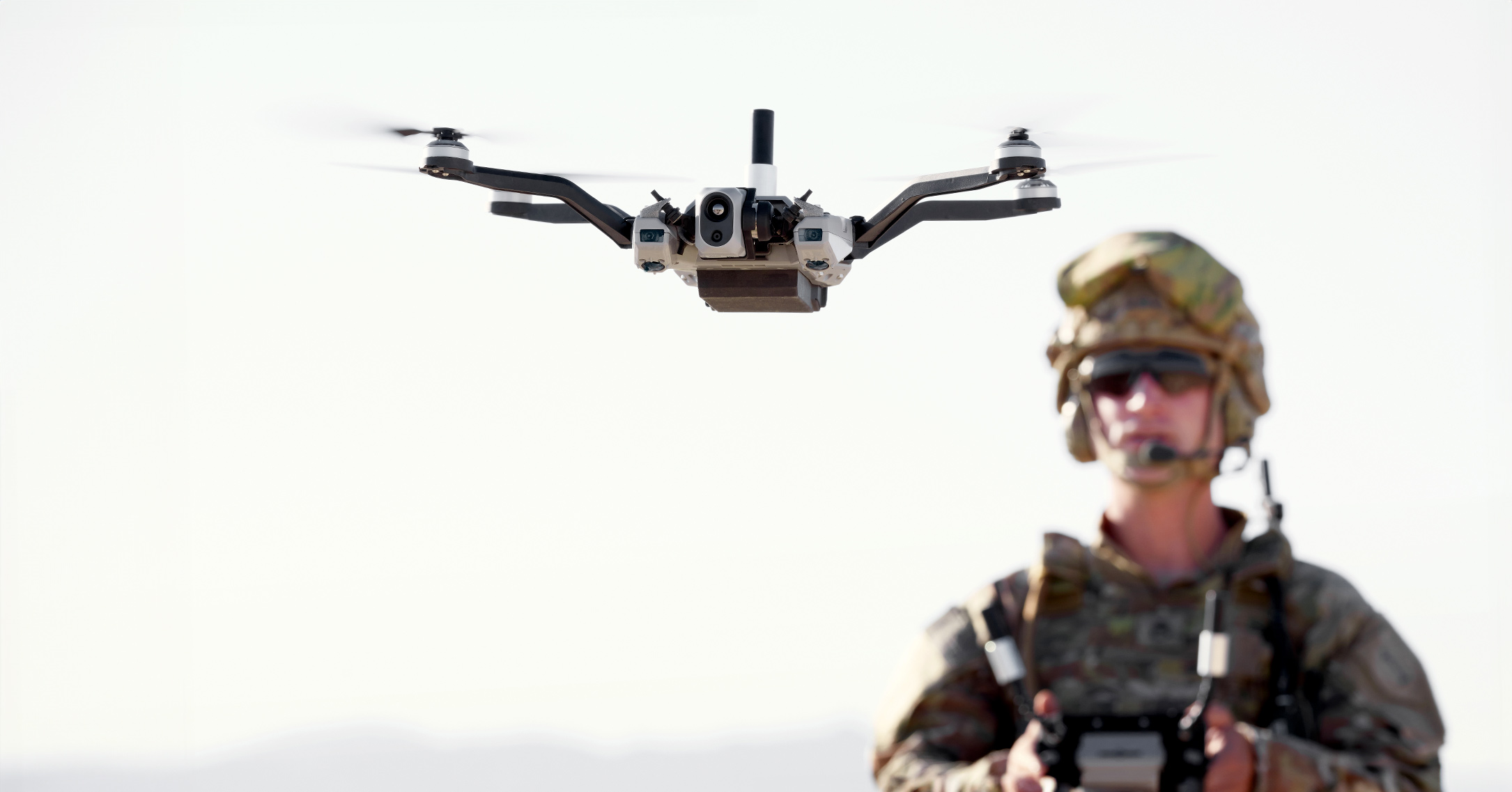
In a world where technological advancements are rapidly transforming warfare, the U.S. Army's approach to small Unmanned Aircraft Systems (sUAS) has come under scrutiny from the Senate Armed Services Committee (SASC). As the Army aims to integrate sUAS capabilities into its operations, the SASC's concerns highlight the critical need for comprehensive strategic planning and effective resource allocation. With defense budgets under constant pressure, the ability to scale the fielding of these systems will be paramount for maintaining operational superiority on the battlefield.
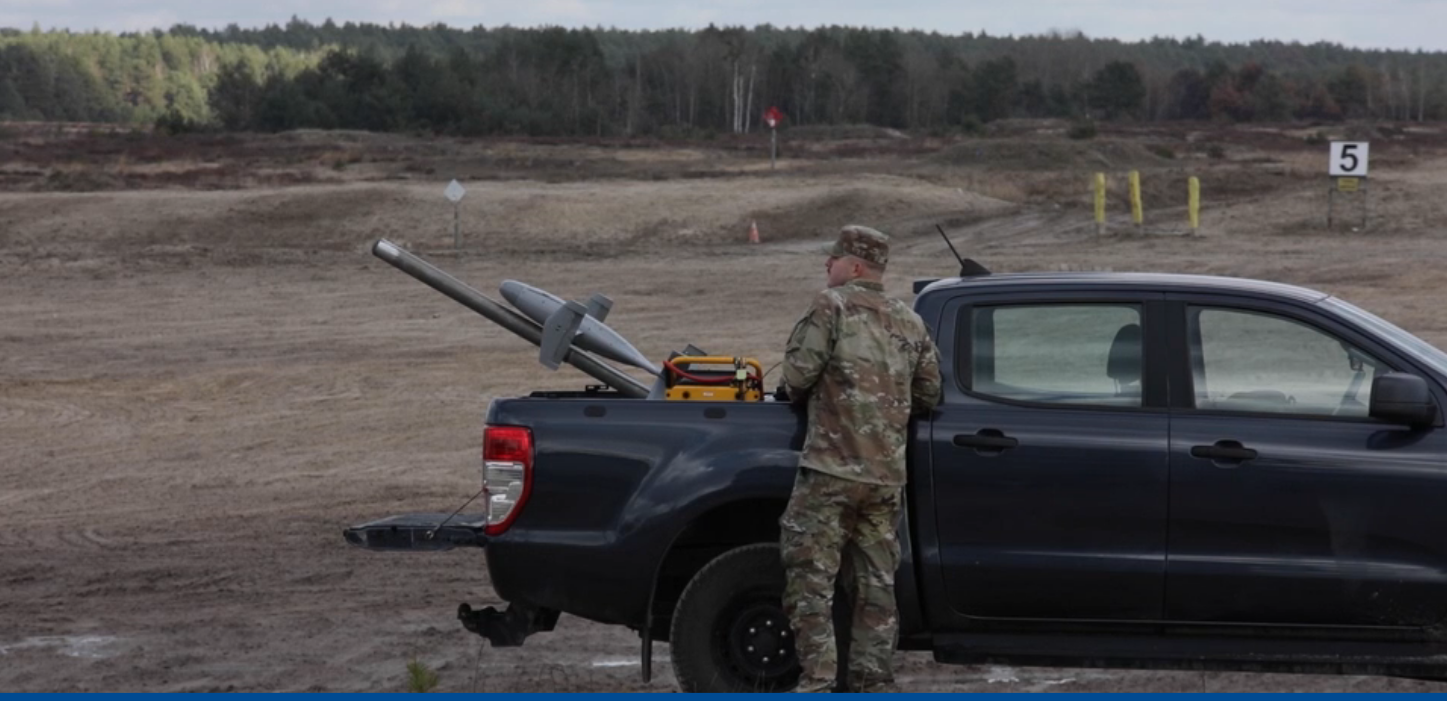
The growing reliance on sUAS reflects a broader trend in modern military operations, where agility, precision, and real-time intelligence can significantly enhance mission effectiveness. However, the SASC's call for further information regarding the Army's plans to scale fielding indicates a recognition of the complexities involved in deploying these advanced technologies. As the Army seeks to leverage sUAS for reconnaissance, surveillance, and even combat roles, a cohesive strategy that encompasses training, logistics, and sustainment must be established to ensure these systems can be effectively integrated into joint operations.
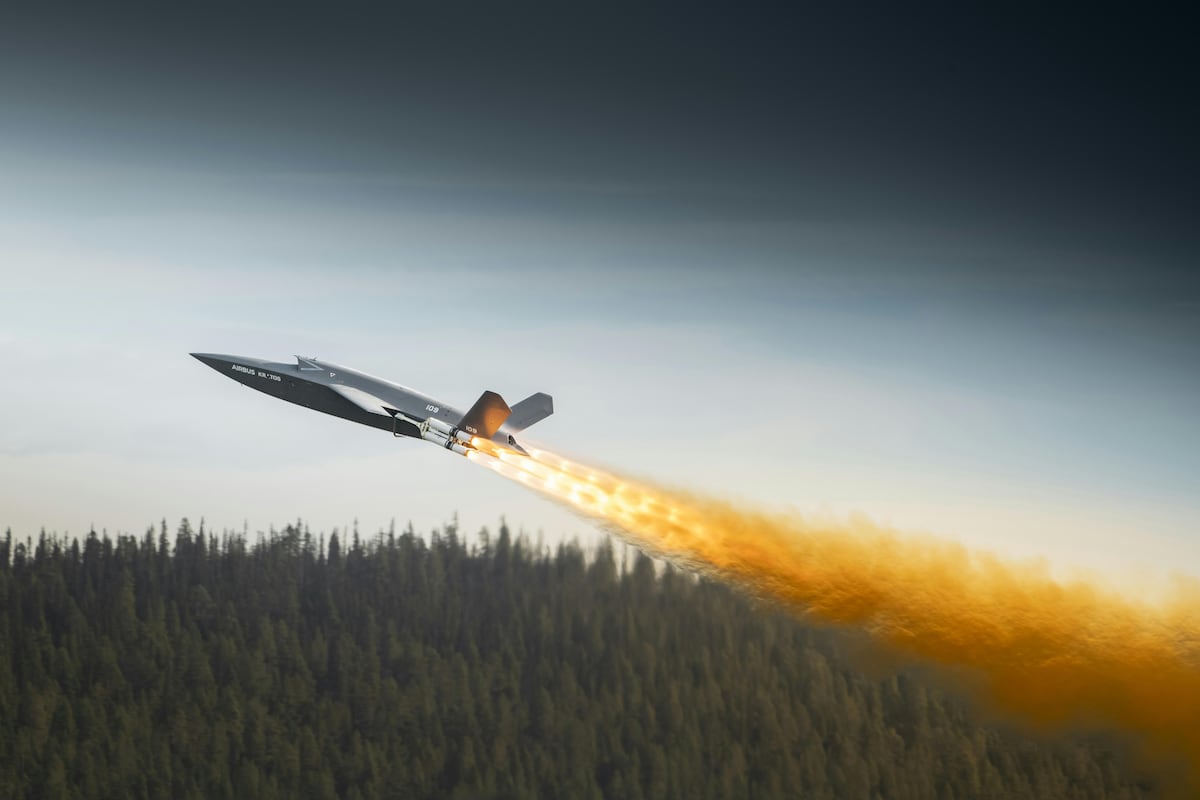
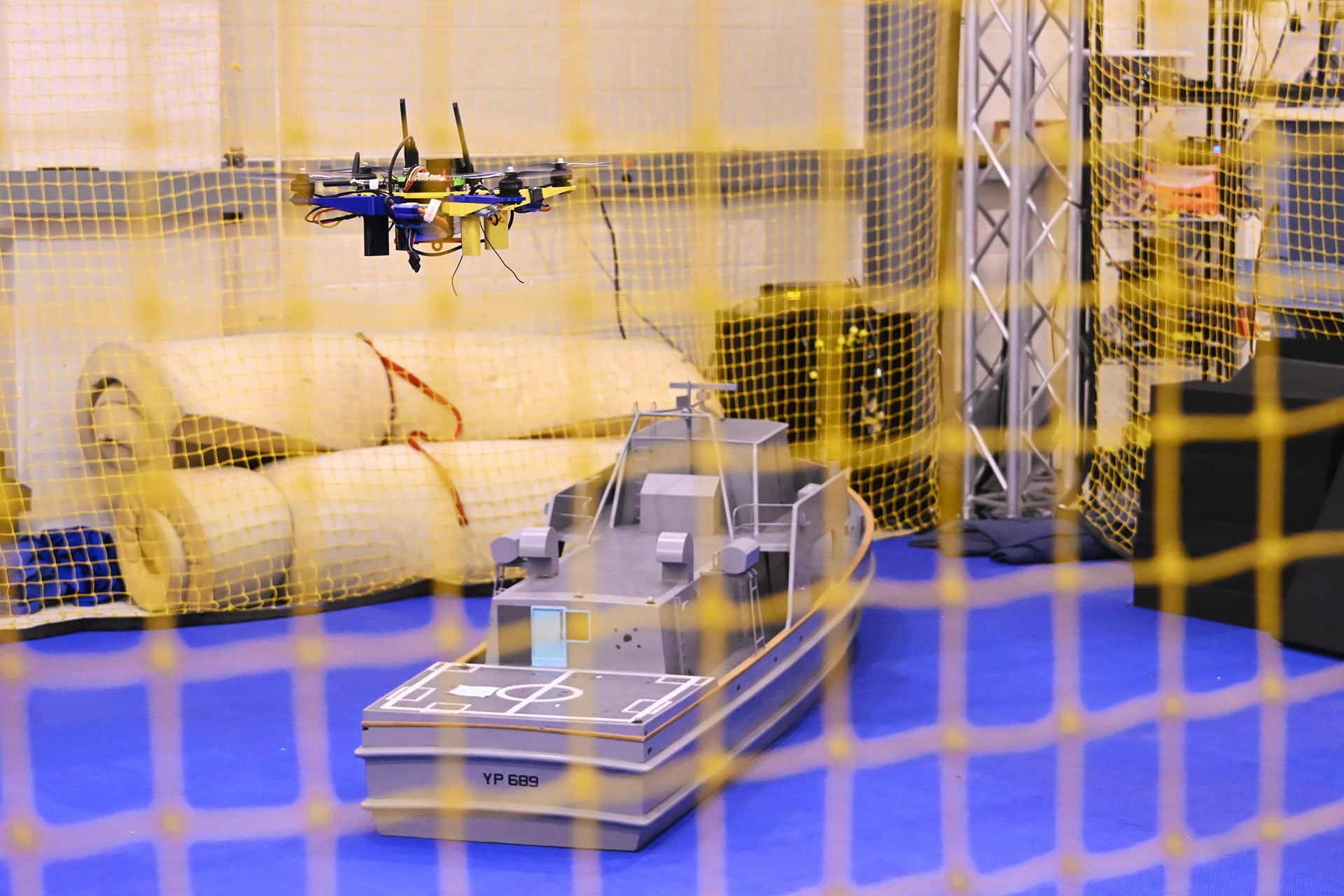
This scrutiny comes at a time when the defense industry is experiencing an unprecedented influx of innovation, particularly in the realm of unmanned systems. Companies specializing in drone technology are racing to deliver cutting-edge solutions that meet military specifications and operational needs. However, without a clear framework for fielding these systems, the Army risks falling behind in a highly competitive landscape where adversaries are also rapidly advancing their own unmanned capabilities. The SASC's inquiry serves as a wake-up call for both the Army and defense contractors to align their efforts and ensure that sUAS can be deployed at scale and efficiently.
Moreover, the implications of this development extend beyond immediate military applications. The defense and aerospace sectors are increasingly interconnected, with private sector innovations playing a pivotal role in shaping military capabilities. As the Army navigates its sUAS strategy, collaboration with industry partners will be essential. This partnership can facilitate the rapid development of new technologies and operational concepts that can be integrated into the Army's existing frameworks, driving efficiency and effectiveness in the field.
Looking forward, the Army's response to the SASC's concerns will be critical to shaping the future of its sUAS programs. A transparent and strategic approach to scaling fielding will not only bolster the Army's operational capabilities but also instill confidence in investors and stakeholders within the defense industry. As the landscape of warfare continues to evolve, the ability to adapt and innovate will be the defining factor in maintaining a competitive edge. The time is ripe for decisive action that aligns military strategy with technological advancement, ensuring that the Army remains at the forefront of modern conflict.
In conclusion, the SASC's call for clarity in the Army's sUAS approach is a pivotal moment for the defense community. It underscores the necessity for strategic foresight and collaborative efforts between military and industry stakeholders. With the right framework in place, the Army can harness the full potential of sUAS technology to enhance its operational readiness and effectiveness, thereby ensuring national security in an increasingly complex global environment.