US Navy selects companies for at-sea MUSV prototype testing
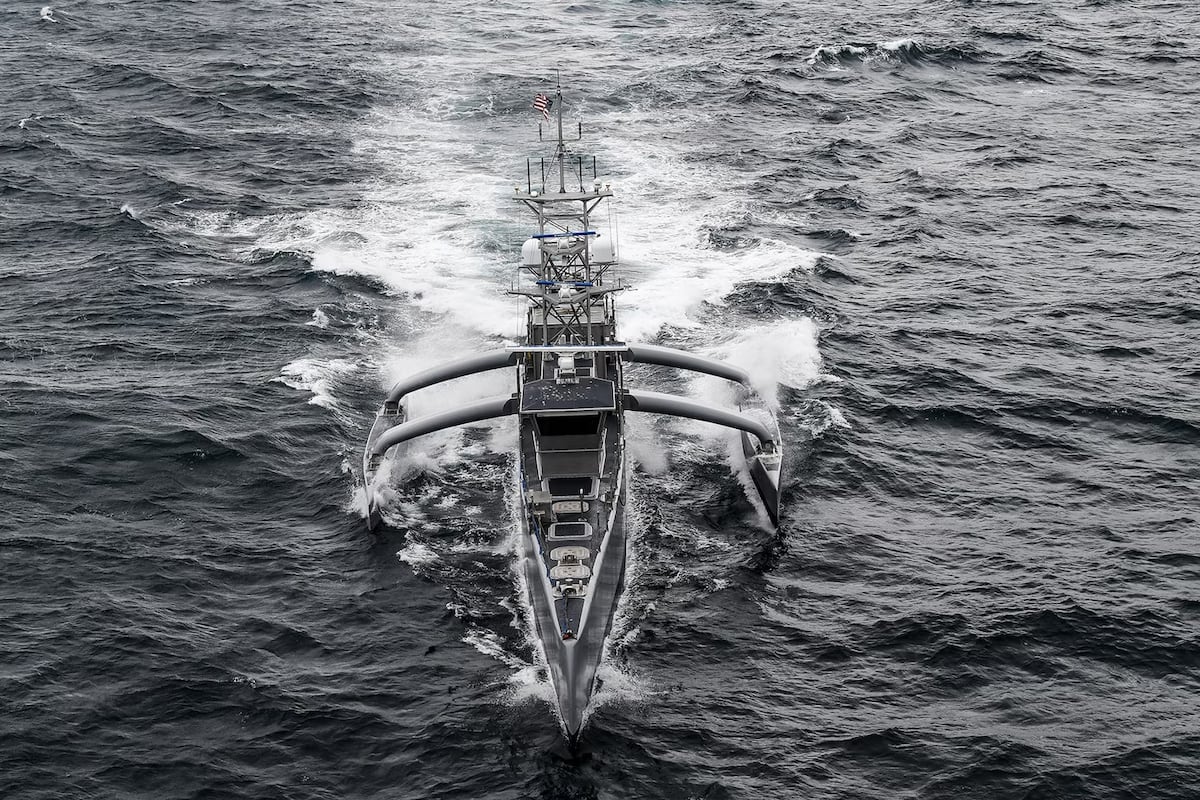
In a significant milestone for the U.S. Navy's autonomous capabilities, the service has officially selected multiple companies to participate in at-sea prototype testing for its Medium Uncrewed Surface Vehicle (MUSV) program. This initiative represents a critical step towards integrating unmanned systems into naval operations, which promises to reshape the future landscape of maritime warfare and logistics. With the selection of industry leaders, the Navy aims to accelerate the development of these versatile vessels, designed to enhance operational flexibility and reduce the risk to human personnel in potentially hostile environments.
The MUSV program is part of the Navy's broader strategy to modernize its fleet through the incorporation of advanced technologies such as artificial intelligence, machine learning, and autonomy. By leveraging these innovations, the Navy seeks to maintain a competitive edge in an increasingly complex geopolitical environment. The selected companies will play a pivotal role in demonstrating the potential of uncrewed surface vessels to perform a variety of missions, including intelligence, surveillance, reconnaissance, and even logistics support. This multifaceted approach not only aims to optimize the Navy's operational effectiveness but also to drive down costs associated with traditional manned vessels.
The significance of this development cannot be overstated. As global maritime challenges evolve, the need for adaptable and responsive naval forces becomes paramount. The MUSV's ability to operate alongside traditional ships enhances the Navy's overall mission capabilities while simultaneously addressing manpower constraints. By testing prototypes in real-world conditions, the Navy can gather invaluable data on the operational performance of these uncrewed vessels, paving the way for future deployments and operational integration. This step signifies the Navy's commitment to innovation and modernization, reflecting a broader trend within the defense sector towards automation and unmanned systems.
Moreover, the collaboration between the Navy and these selected companies signals a growing partnership between government and industry that is essential for advancing defense technology. As private sector entities bring their expertise in robotics and AI to the table, the development of the MUSV program could unlock new opportunities for innovation, investment, and economic growth within the defense ecosystem. For builders and investors, this represents not only a chance to be at the forefront of defense technology but also an opportunity to contribute to national security initiatives that will shape the future of maritime operations.
Looking ahead, the success of the MUSV prototype testing could serve as a catalyst for further investments in autonomous systems across various branches of the military. As the Navy refines its strategy and operational concepts around unmanned technologies, we can expect to see a ripple effect throughout the defense industry, inspiring new designs and capabilities that could transform how naval warfare is conducted. The integration of MUSVs into the fleet may well be just the beginning of a substantial shift towards a more automated, efficient, and resilient naval force, one that is prepared to meet the challenges of the 21st century head-on.