Anduril, General Atomics get Air Force contracts to build first drone wingmen
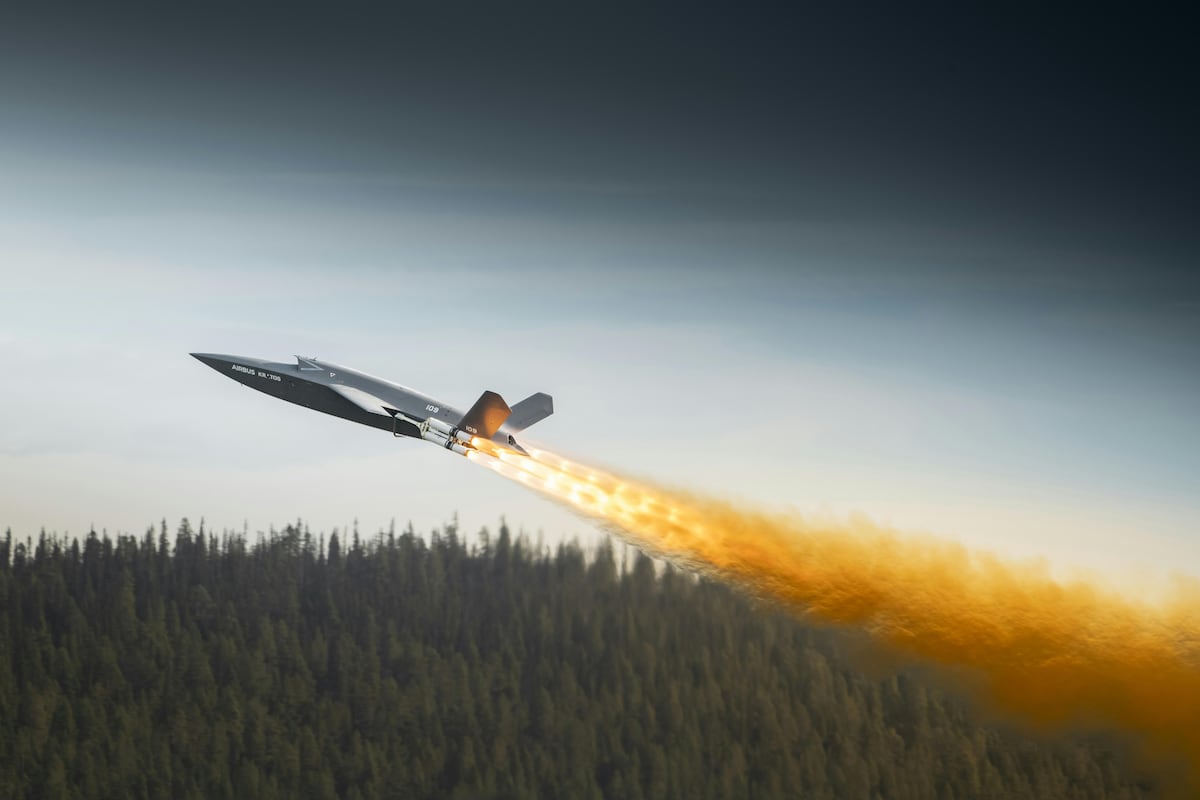
In a significant leap forward for military drone technology, the U.S. Air Force has awarded contracts to Anduril Industries and General Atomics to develop the first-ever drone wingmen. This initiative is part of a broader strategy to enhance air combat capabilities through the integration of autonomous systems, which can operate alongside piloted aircraft. As the defense industry pivots towards innovation and increased operational efficiency, this development represents a crucial step in harnessing advanced technologies to meet complex battlefield demands.
The contracts, reportedly valued at several million dollars, are set against a backdrop of escalating global security challenges. The Air Force's push to incorporate drone wingmen is aimed at providing enhanced situational awareness and combat support to manned aircraft, thereby augmenting their effectiveness in diverse operational scenarios. The introduction of these autonomous systems is not merely a technological upgrade; it is a paradigm shift in how air power will be projected in the future. For builders and investors in the defense sector, this is an opportunity to engage with cutting-edge technologies that will define the next generation of military capability.
Anduril Industries, known for its innovative approaches to defense technology, and General Atomics, a stalwart in the unmanned systems sector, are both well-positioned to lead this initiative. The development of drone wingmen entails advanced artificial intelligence and machine learning algorithms that allow these systems to operate semi-autonomously, making real-time decisions based on battlefield conditions. This capability not only reduces the cognitive load on human pilots but also enables them to focus on strategic maneuvers while their drone counterparts handle tactical engagements.
The contracts also reflect a broader trend within the defense industry towards affordable mass production of advanced technologies. As the cost of developing sophisticated unmanned systems decreases, it opens the door for more military branches and allied nations to leverage these assets in their operations. This democratization of technology can lead to more robust defense strategies globally, fostering an environment of collaboration and shared innovation.
As we look ahead, the successful deployment of drone wingmen could redefine the dynamics of aerial warfare. The integration of these systems into existing air fleets will likely provide the U.S. Air Force with a significant tactical advantage, enhancing mission versatility and operational readiness. Moreover, the implications extend beyond military applications; innovations derived from this technology could seep into civilian sectors, such as logistics and emergency response, further underscoring the dual-use nature of aerospace advancements.
In conclusion, the Air Force's move to contract Anduril and General Atomics for the development of drone wingmen is a strategic decision that signals the future of air combat. This initiative not only highlights the importance of integrating advanced technologies into military operations but also presents a fertile ground for investment and growth within the defense and aerospace sectors. As these technologies evolve, stakeholders must remain vigilant and adaptable, ready to embrace the changes that will inevitably shape the defense landscape in the years to come.