Poland spends $16.5 billion in EU-backed loans on heavy army weapons
In a bold move signaling its commitment to bolstering national defense, Poland has announced a substantial investment of $16.5 billion in heavy army weapons, financed through European Union-backed loans. This unprecedented expenditure is not merely a reflection of Poland's growing military ambitions; it is a strategic response to the shifting geopolitical landscape in Eastern Europe, particularly in light of the ongoing conflict in Ukraine and the rising threats from Russia. For defense industry professionals, investors, and builders, this development represents a significant opportunity for both collaboration and innovation in military technology and infrastructure.
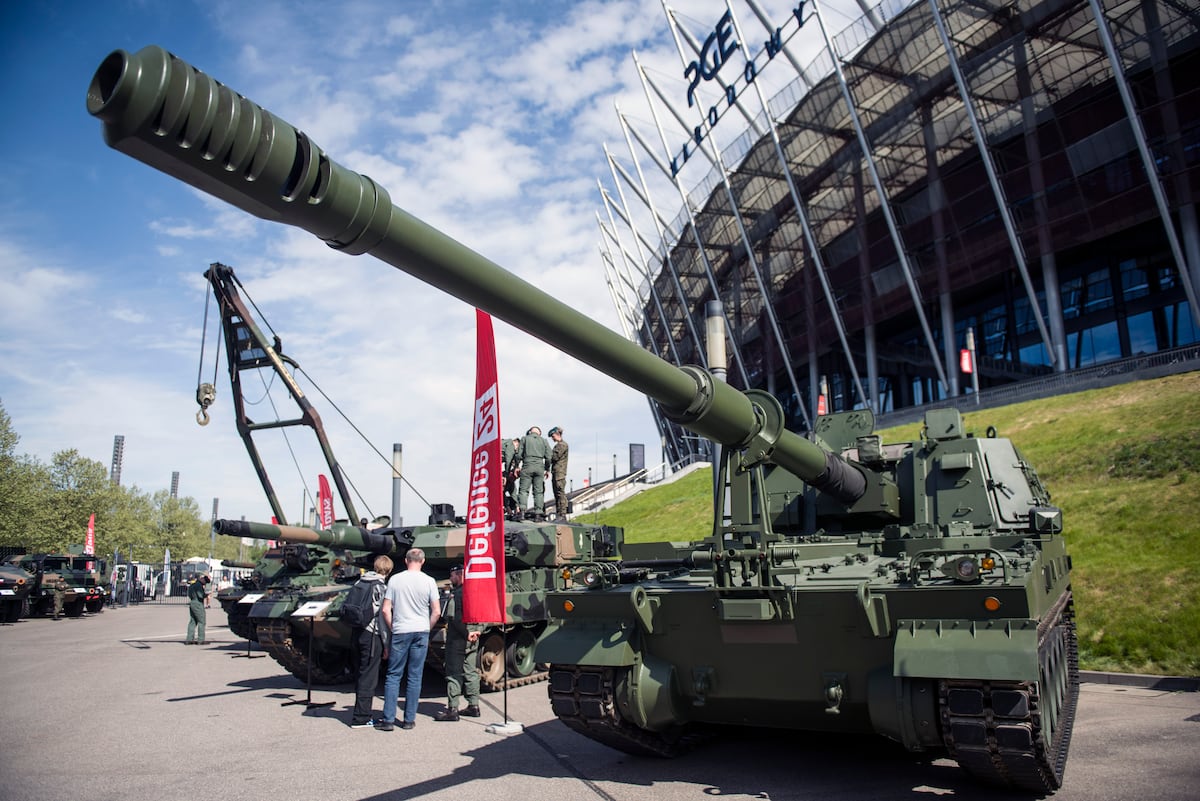
Poland’s defense procurement strategy is pivotal not only for its own national security but also for the broader NATO alliance. The country, which has been increasing its defense budget in recent years, is now poised to transform its military capabilities dramatically. The planned acquisitions include advanced tanks, artillery systems, and missile defense platforms, aimed at creating a more robust and modern fighting force. This investment underscores the urgency for NATO countries to enhance their military readiness in the face of potential aggression from state and non-state actors alike.
The implications of Poland's military expansion extend beyond its borders. As one of the EU’s largest economies, Poland’s move will likely encourage other member states to reassess their own defense spending and strategies. The EU's backing through loans not only alleviates financial burdens but also strengthens collective security efforts across Europe. For the defense and aerospace sectors, this presents an opportunity for increased collaboration in research, development, and manufacturing. Companies engaged in defense technology can anticipate a surge in demand for innovative solutions and systems that meet the evolving requirements of modern warfare.
Furthermore, Poland's strategic investments are expected to stimulate its domestic defense industry, fostering growth and job creation within the sector. The emphasis on local manufacturing, particularly in high-tech areas such as drone technology and cyber defense, will bolster Poland's industrial base and enhance its self-reliance in defense matters. This shift may also attract foreign direct investment, as global defense contractors seek to partner with Polish firms to tap into the burgeoning defense market in Central and Eastern Europe.
Looking ahead, the stakes are high not only for Poland but for the entire European defense landscape. The strategic investments made today will shape the military capabilities of tomorrow, influencing the balance of power in the region. As Poland embarks on this ambitious journey to modernize its armed forces, the defense community must remain vigilant and adaptive, ready to meet the challenges and opportunities that lie ahead. The path Poland is forging could serve as a model for other nations seeking to enhance their military readiness in an increasingly complex global environment.
In conclusion, Poland's $16.5 billion investment in heavy army weapons is not just a financial transaction; it is a critical step toward ensuring national security and reinforcing European defense. For builders, investors, and defense professionals, this investment signals a promising horizon filled with opportunities for growth, innovation, and collaboration in the defense sector.