Mach Industries Wins DIU Contract For Runway-Independent Navy Drones
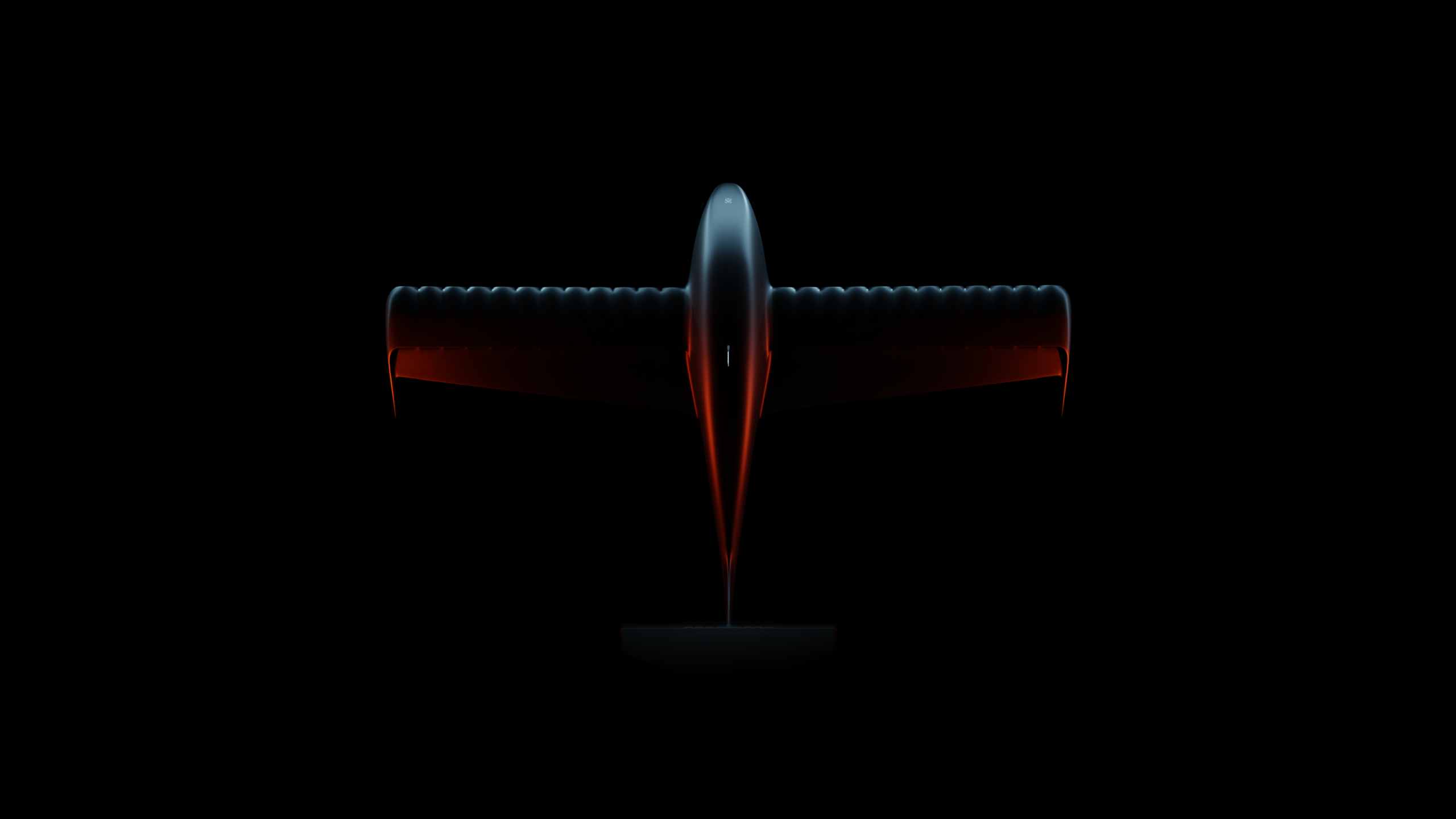
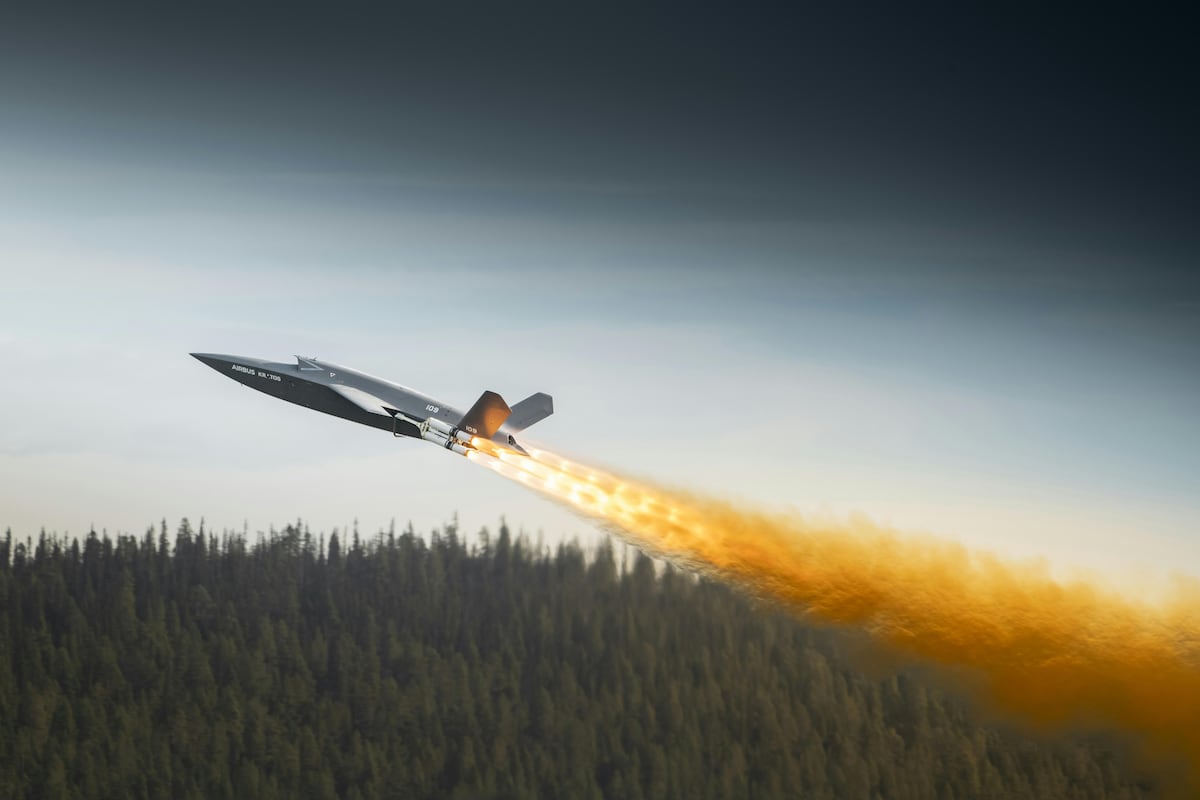
In a significant development for the U.S. Navy's operational capabilities, Mach Industries has secured a contract from the Defense Innovation Unit (DIU) to produce runway-independent drones tailored for naval operations. This contract not only showcases the growing trend of incorporating advanced technology in defense but also reflects an increasing recognition of the strategic advantages provided by unmanned aerial systems (UAS). As military operations evolve, the need for versatile, agile platforms that can operate without traditional infrastructure becomes paramount, particularly in contested environments.
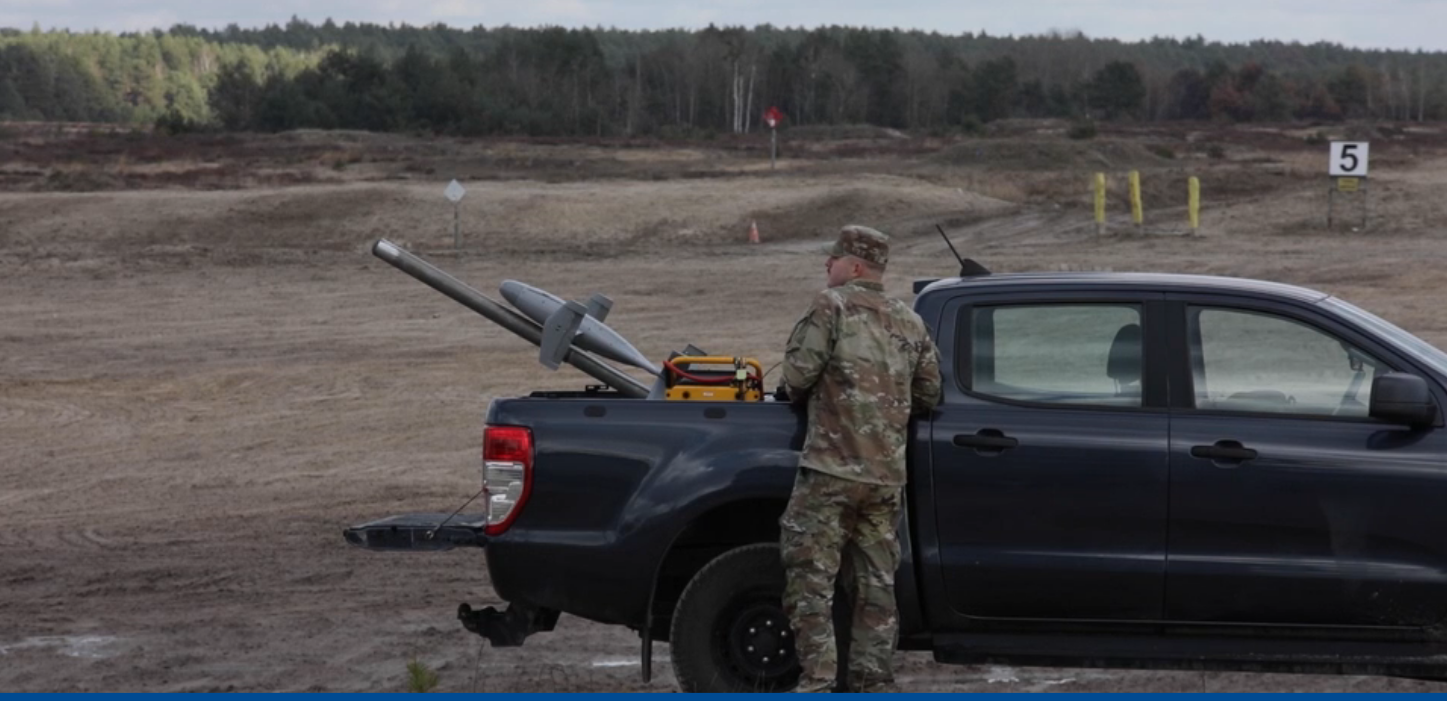
The selection of Mach Industries, known for its commitment to innovation and quality, underscores the potential for drone technology to redefine naval aviation. The ability to deploy drones that do not require runways significantly enhances operational flexibility, allowing for quick deployment in a variety of scenarios. This capability is particularly relevant in maritime contexts where logistics and infrastructure can pose significant challenges. By removing the dependency on runways, these drones can be launched from a wider array of platforms, including ships, land vehicles, and even coastal installations, thus expanding the Navy's operational footprint.
The implications of this contract extend beyond the immediate capabilities it provides. It signifies a broader shift within the defense sector towards integrating commercial technology into military applications. As the lines between commercial and defense technologies continue to blur, companies like Mach Industries are positioned at the forefront of this transformation. The DIU's engagement with innovative firms reflects a recognition that the future of warfare will increasingly depend on rapid technological advancement and adaptability in the face of emerging threats.
Furthermore, the decision to invest in runway-independent drones speaks to the Navy's strategic priorities in maintaining maritime superiority. In an era where adversaries are developing countermeasures to traditional airpower, the ability to utilize unmanned systems effectively can provide a critical edge. These systems can conduct surveillance, reconnaissance, and strike missions with reduced risk to personnel, thus aligning with modern defense strategies that prioritize force protection and cost-effectiveness.
Looking ahead, the success of Mach Industries in this venture could pave the way for further innovations in drone technology, particularly in areas such as artificial intelligence, autonomous operations, and advanced materials. As the defense community continues to explore partnerships with private sector innovators, we can anticipate a new wave of products that enhance military readiness and operational efficiency. The runway-independent drone contract is not just a contract; it is a harbinger of a new era in military aviation that emphasizes agility, technology, and adaptability.
In conclusion, the contract awarded to Mach Industries by the DIU is a noteworthy step forward in the evolution of naval aviation. As defense budgets increasingly prioritize advanced technologies, investments in innovative solutions like these drones will likely yield substantial dividends for the U.S. Navy and its allies. As we witness the unfolding of this new chapter in military capabilities, stakeholders across the defense, aerospace, and technology sectors should remain vigilant and engaged, as the future of warfare is being shaped today.