General Atomics resumes drone-wingman flights after mishap
In a significant development for the defense and aerospace sectors, General Atomics has resumed its drone-wingman flight operations following a temporary halt due to a recent mishap. The news comes as both a relief and a reminder of the inherent risks associated with the rapid advancement of unmanned aerial systems (UAS) technology. The company's decision highlights its commitment to innovation while ensuring the safety and reliability of its systems, which are increasingly becoming integral to modern military operations.
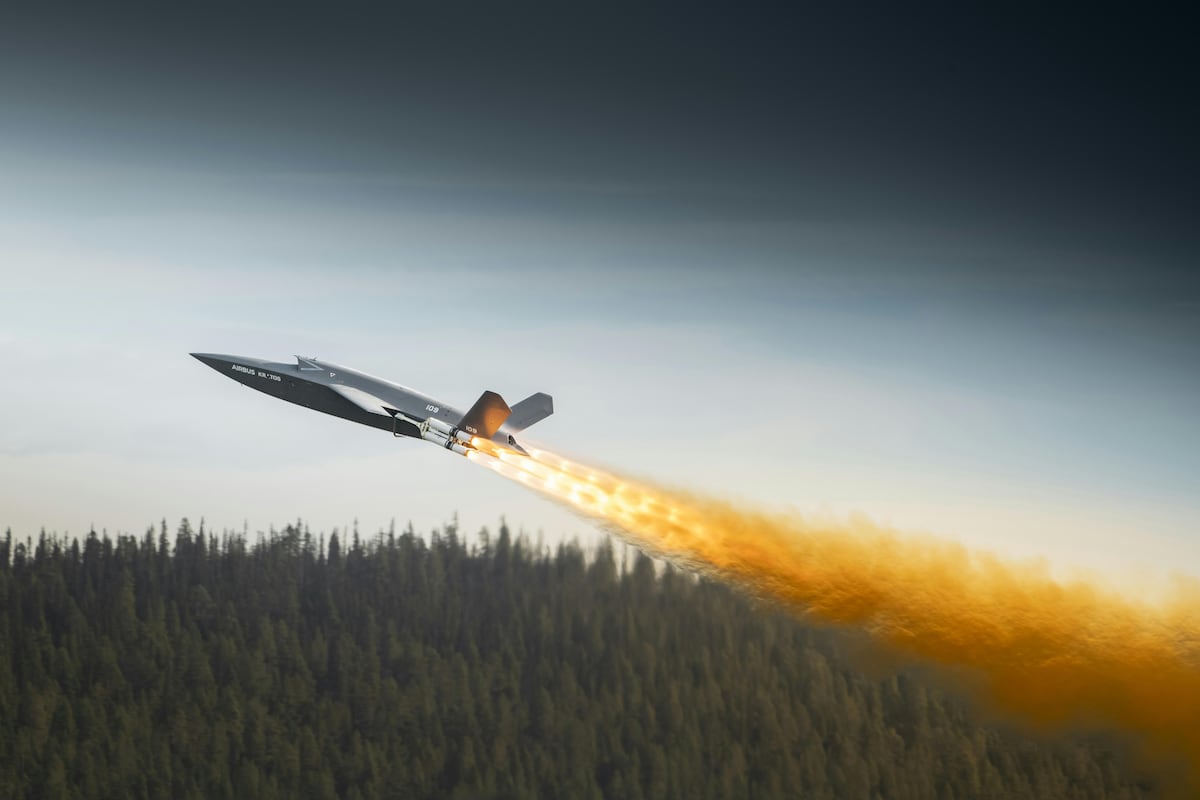
The drone-wingman program, designed to augment manned aircraft capabilities, represents a pivotal shift in how air combat missions are conducted. These unmanned systems, often referred to as loyal wingmen, can operate alongside piloted jets, providing intelligence, surveillance, reconnaissance, and even strike capabilities without putting pilots at risk. This technology aligns with the broader shift towards unmanned warfare, enabling militaries to achieve strategic advantages while minimizing human casualties. The recent resumption of flights signals a renewed focus on leveraging these capabilities effectively.
Contextually, the mishap that led to the suspension of operations serves as a crucial learning opportunity for General Atomics and the broader defense community. Although specifics surrounding the incident have not been disclosed, it underscores the importance of rigorous testing and validation in the development of advanced UAV technologies. As nations invest heavily in drone capabilities, the industry must prioritize safety protocols to ensure the reliability of these systems in combat scenarios. This incident could catalyze a reevaluation of existing safety measures and operational protocols across the sector, fostering a culture of continuous improvement.
Moreover, the implications of successful drone-wingman integration extend beyond immediate operational advantages. They encapsulate a broader trend towards automation and artificial intelligence in military applications. The U.S. and its allies are increasingly recognizing that the future of warfare will hinge on the ability to combine human intelligence with autonomous systems, creating a hybrid force that can respond more effectively to dynamic threats. As such, the resumption of flights by General Atomics serves as a bellwether for the adoption of these technologies in other defense sectors, potentially paving the way for increased investment and innovation.
Looking ahead, the aerospace and defense industries must remain vigilant as they navigate the complexities of integrating unmanned systems into their operational frameworks. General Atomics’ swift response to the mishap not only demonstrates resilience but also highlights the critical need for ongoing dialogue about safety and innovation. As competition in the drone sector intensifies, companies will need to balance the urgency of development with the imperative of safety to maintain credibility and trust among military clients and investors alike. The road ahead may be fraught with challenges, but it also offers immense potential for those willing to lead in this transformative era of defense technology.