The Pentagon’s $54 billion bet on autonomous warfare
In a strategic move underscoring the urgency of modern warfare, the Pentagon has committed a staggering $54 billion to develop autonomous warfare capabilities. This significant investment signals a transformative shift in military operations, aiming to harness advanced technologies that can redefine combat effectiveness and operational efficiency. As global geopolitical tensions rise, the U.S. faces a pressing imperative to innovate, and this funding is a bold step towards achieving technological superiority on the battlefield.
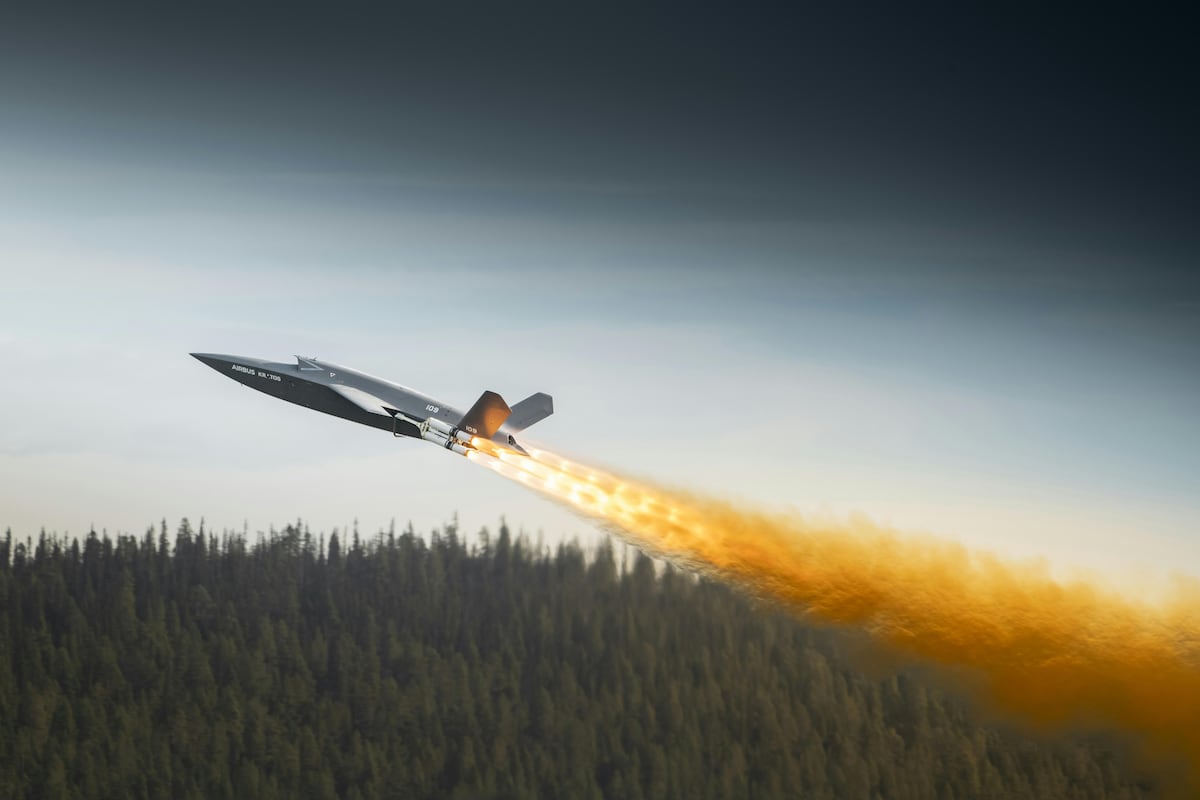
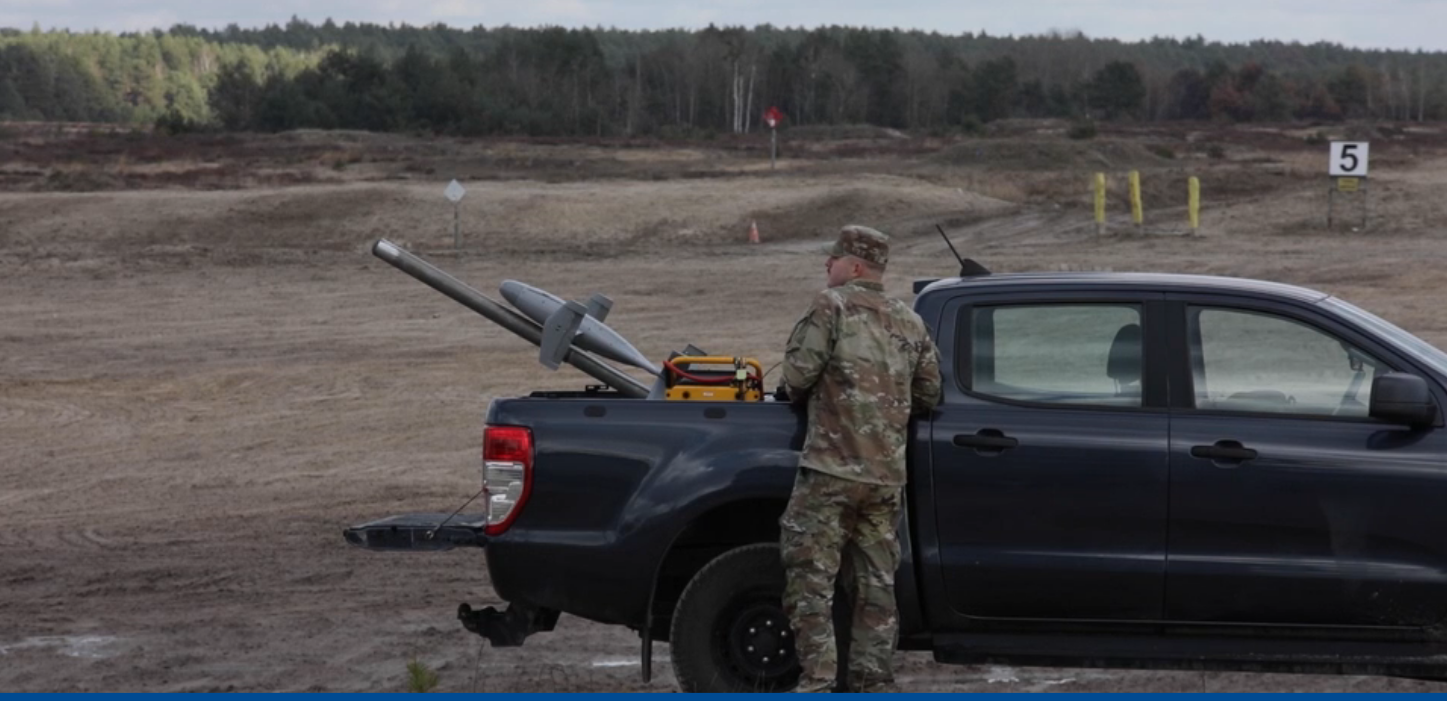
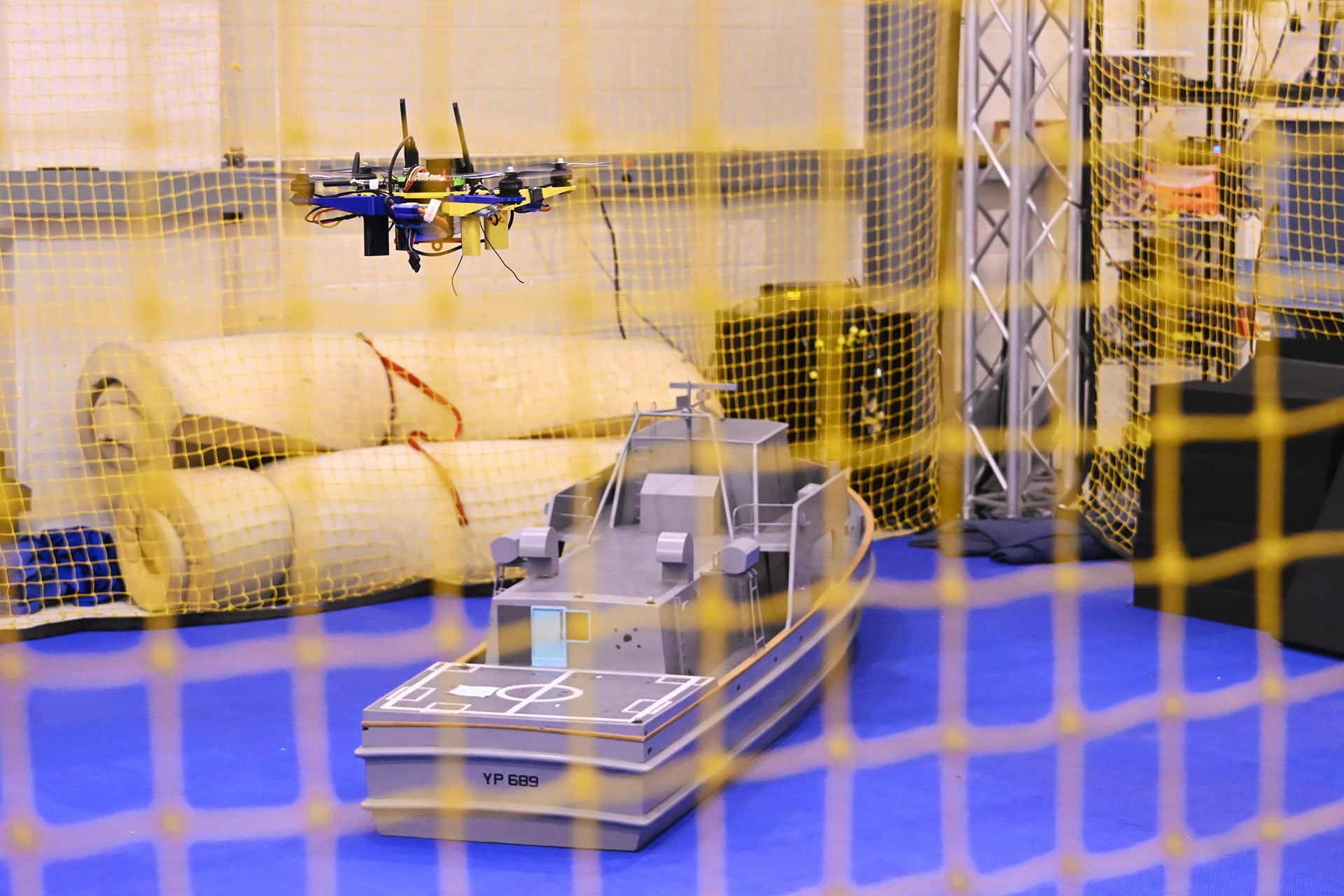
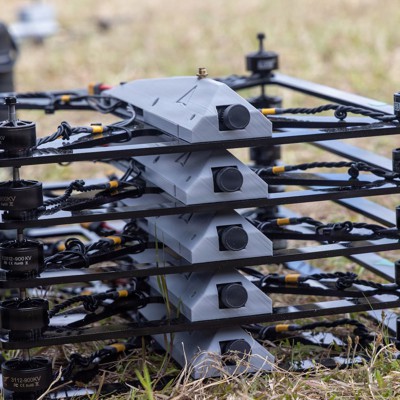
The drive towards autonomous warfare is not merely about replacing human soldiers with machines; it reflects a comprehensive rethinking of how conflicts are waged in the 21st century. The Pentagon's investment encompasses a wide array of technologies, from drone swarms and autonomous ground vehicles to artificial intelligence systems capable of processing vast amounts of battlefield data in real-time. This approach aims to enhance decision-making speed and accuracy, potentially reducing the risk to human life while simultaneously increasing operational capabilities.
For builders and investors in the defense and aerospace sectors, this $54 billion commitment presents both challenges and opportunities. Companies that can deliver cutting-edge autonomous technologies will likely find themselves at the forefront of a burgeoning market. The emphasis on innovation also signals a shift in procurement strategies, where partnerships between government and private sector entities will be crucial in accelerating the development and deployment of these advanced systems. As the Pentagon seeks agile solutions, small and medium-sized enterprises may find new avenues for collaboration and growth.
However, this pivot towards automation raises critical questions about ethics and accountability in warfare. As autonomous systems become more prevalent, the military must navigate the moral implications of delegating life-and-death decisions to machines. Ensuring robust oversight and establishing clear guidelines for the use of autonomous weapons will be essential to maintaining compliance with international laws and humanitarian standards. The defense community must engage in these discussions proactively to shape a framework that balances innovation with responsibility.
Moreover, this monumental investment reflects an urgent need for the U.S. military to keep pace with rivals, particularly China and Russia, who are also heavily investing in autonomous technologies. As global military dynamics shift, the ability to integrate and operate these advanced systems effectively will be paramount for maintaining strategic advantages. The defense industry must not only focus on technological advancements but also on the training and integration of personnel who will operate alongside these autonomous systems.
Looking ahead, the Pentagon's commitment to autonomous warfare represents a pivotal moment in military history. As the defense landscape evolves, stakeholders across the aerospace and technology sectors must remain agile and responsive to the demands of this new era. By embracing innovation while addressing ethical considerations, the defense community can ensure that the $54 billion investment translates into a safer, more effective military force for the future.