DoD Opens $30 Million Prize Challenge For Autonomous Non-Tactical Vehicles
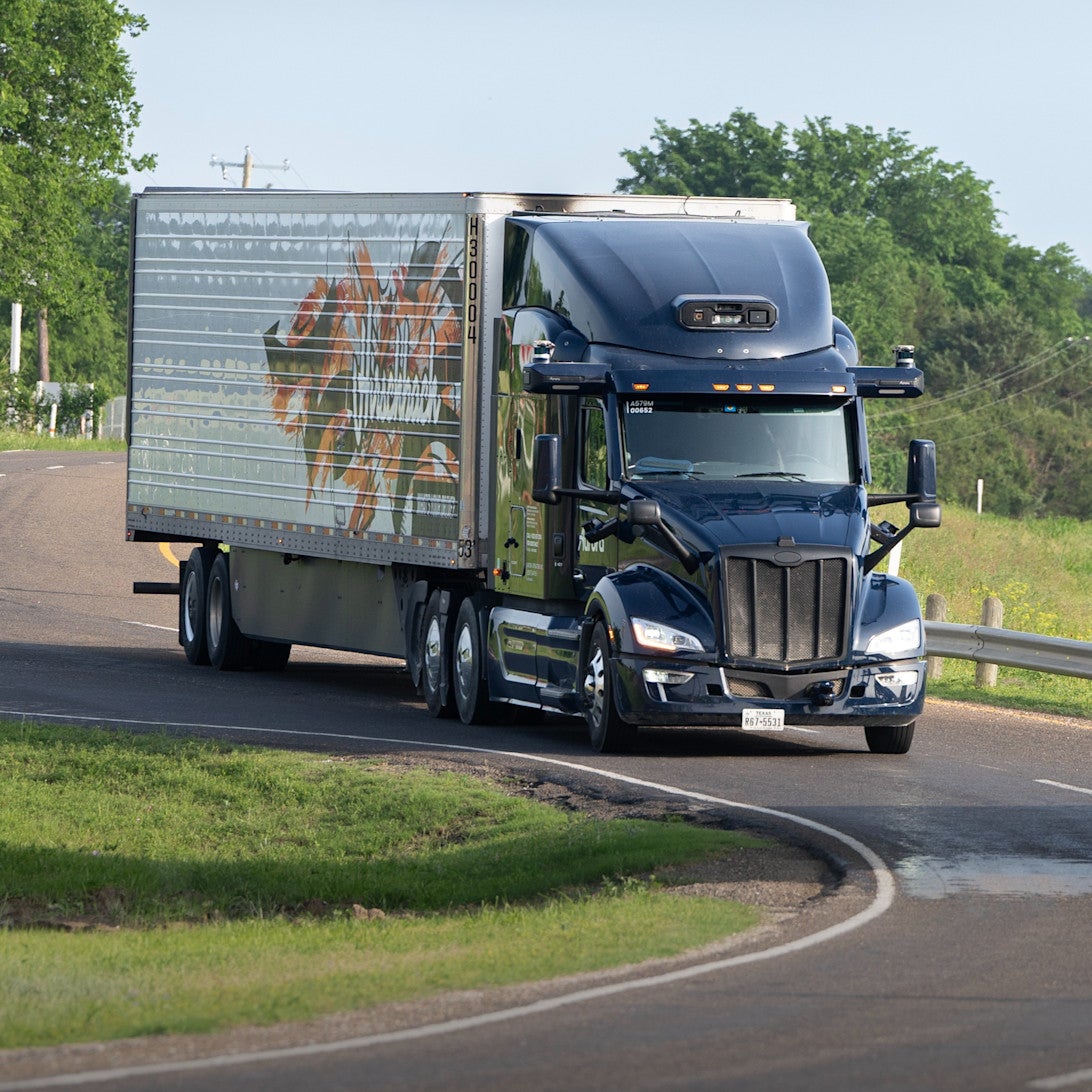
In a move that underscores the Department of Defense's (DoD) commitment to advancing autonomous technologies, the Pentagon has announced a $30 million prize challenge aimed at developing non-tactical autonomous vehicles. This initiative not only highlights the growing importance of automation in military logistics and operations but also represents a strategic pivot toward leveraging innovative solutions from the private sector. As the defense industry faces increasing challenges in efficiency and effectiveness, this prize challenge could serve as a catalyst for breakthroughs that enhance operational capabilities and reduce costs.
The challenge invites participants to propose innovative designs for autonomous non-tactical vehicles that can perform a variety of tasks ranging from resupply missions to surveillance operations. By emphasizing non-tactical applications, the DoD is recognizing that the future of warfare will rely heavily on advanced logistics and support systems, not just combat capabilities. This aligns with broader trends in military modernization, where autonomous systems are becoming integral to maintaining readiness and responsiveness in complex environments.
From a technological perspective, the challenge opens doors for companies and startups specializing in robotics, AI, and vehicle automation. It provides an opportunity for these entities to showcase their capabilities in a competitive environment, potentially leading to significant contracts and partnerships with the DoD. Furthermore, the challenge could stimulate innovation in areas such as navigation technology, machine learning, and human-machine interaction, which are crucial for the successful deployment of autonomous systems in diverse operational contexts.
For investors and builders in the defense sector, this initiative presents a unique opportunity. As the DoD seeks to collaborate with the private sector, there is potential for substantial returns on investment in technologies that support autonomy. The challenge may also pave the way for new business models centered around service-based offerings in defense logistics. Companies that can successfully navigate this evolving landscape will likely find themselves at the forefront of a growing market, as demand for advanced autonomous solutions continues to rise.
Moreover, the urgency of developing these technologies cannot be overstated. As geopolitical tensions escalate and the nature of warfare evolves, the U.S. military must adapt quickly to maintain its competitive edge. Autonomous vehicles can enhance operational flexibility, reduce the need for human personnel in high-risk environments, and increase the speed and efficiency of logistical operations. This challenge is not just about a monetary reward; it is about ensuring that the U.S. military remains prepared for the challenges of tomorrow.
In conclusion, the DoD's $30 million prize challenge for autonomous non-tactical vehicles signifies a pivotal moment in the intersection of defense, technology, and innovation. By tapping into the ingenuity of the private sector, the Pentagon is fostering a culture of innovation that could lead to transformative advancements in military logistics and operational efficiency. As this challenge unfolds, it will be essential for stakeholders across the defense ecosystem to engage actively, ensuring that the potential of autonomous systems is fully realized in service to national security.