How Drones and Autonomous Boats Are Reshaping Maritime Warfare | Ben Cipperley
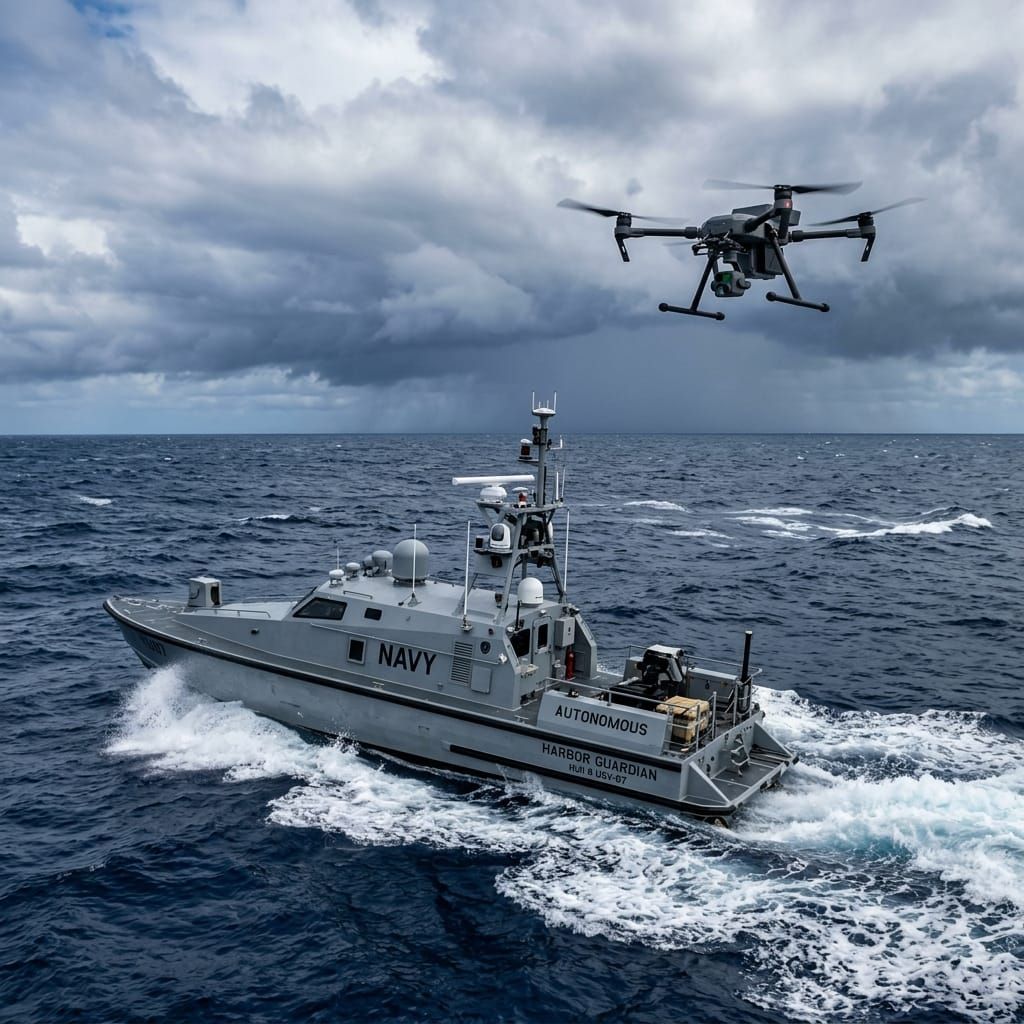
In recent years, the landscape of maritime warfare has been dramatically transformed by the integration of drones and autonomous boats. As technological advancements continue to reshape military strategies, the implications for naval operations are profound. Industry experts, such as Ben Cipperley, highlight how these innovations are not just augmenting traditional naval capabilities but are revolutionizing the way nations approach maritime security and conflict.
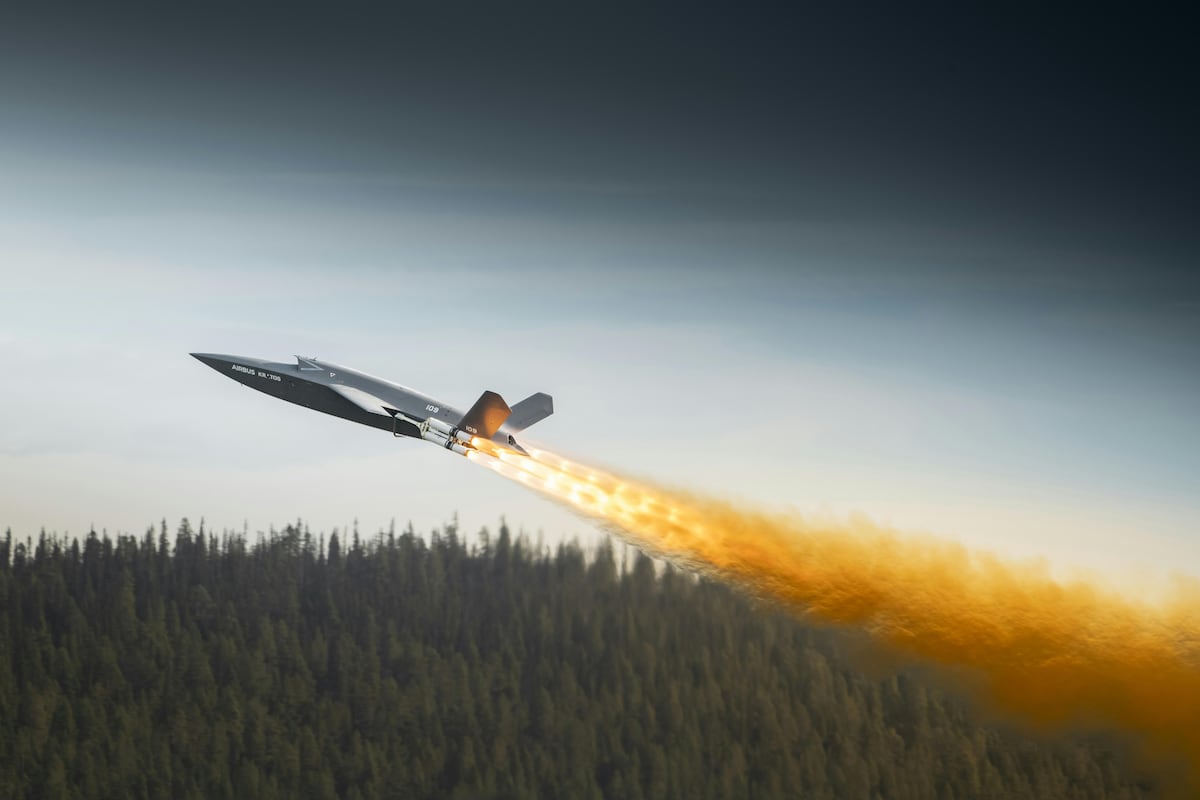
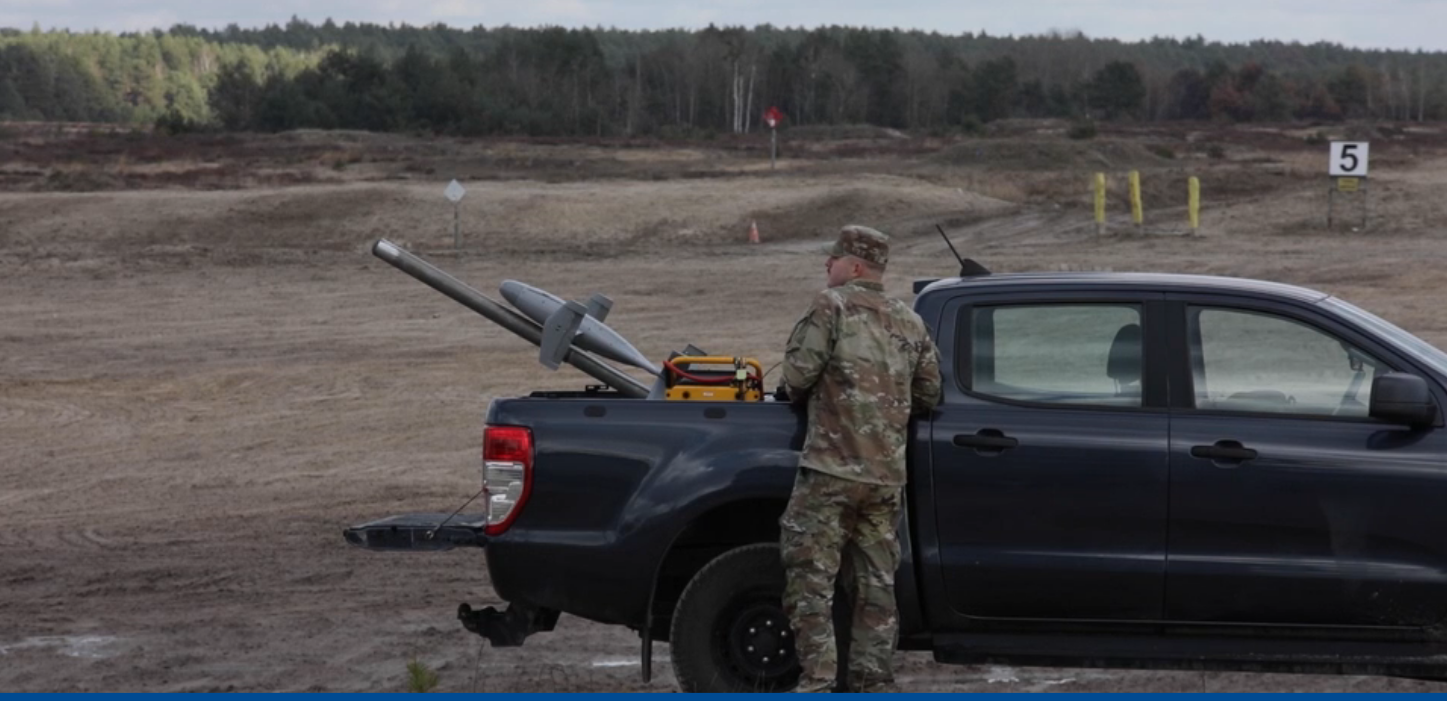
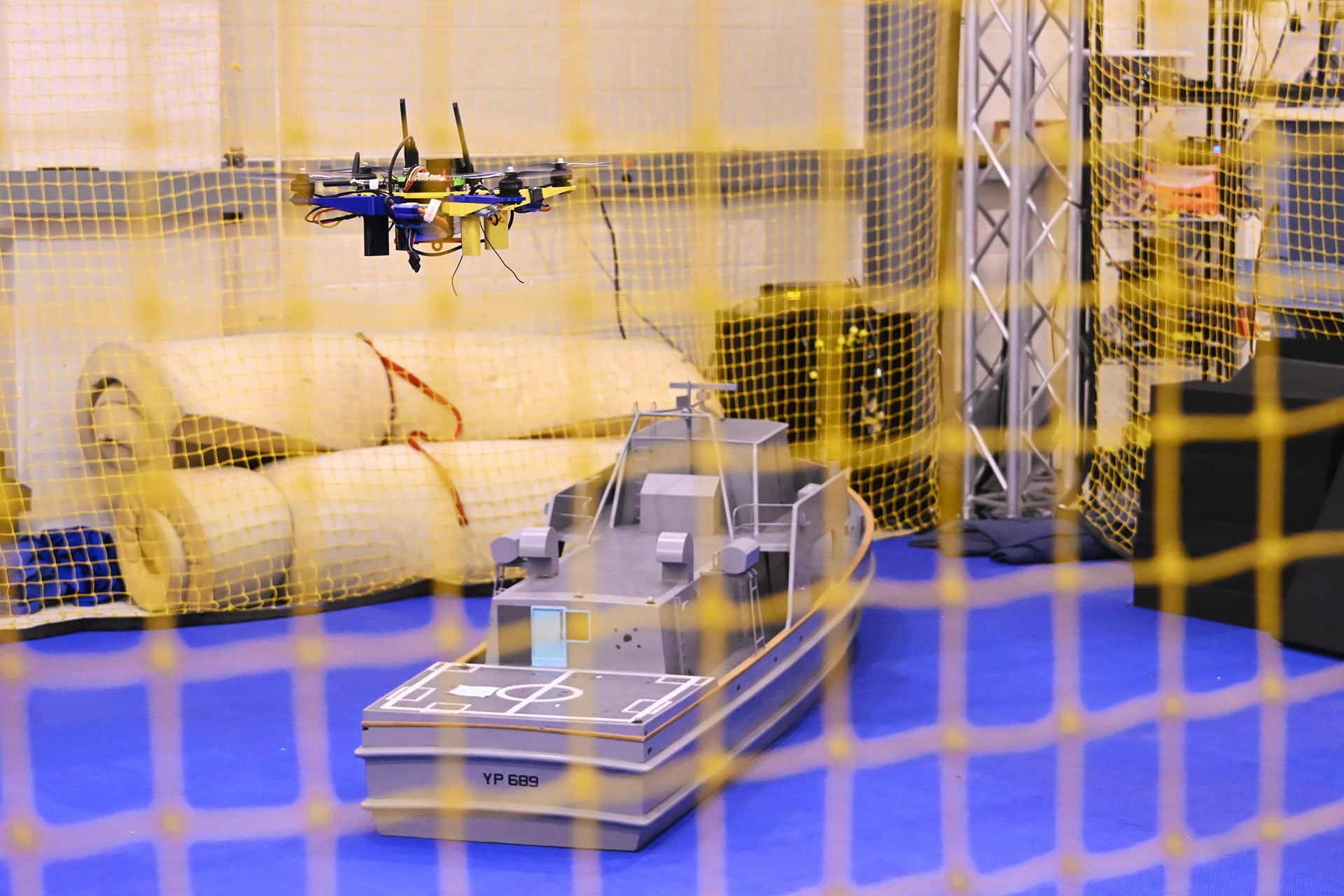
The advent of drones and unmanned vessels has shifted the focus from manned operations to remote, automated systems that can perform a variety of tasks with increased efficiency. Drones provide unparalleled surveillance and reconnaissance capabilities, allowing naval forces to monitor vast expanses of ocean with minimal risk to personnel. Meanwhile, autonomous boats can execute complex missions, including logistics support, minesweeping, and even offensive operations, without the direct involvement of human operators. This shift not only enhances operational effectiveness but also reduces the logistical burden and costs associated with deploying manned vessels.
The strategic implications of these developments are significant. Countries with robust drone and autonomous systems are gaining an edge in maritime dominance, prompting others to accelerate their own investments in similar technologies. This growing competition in the maritime domain emphasizes the need for nations to adapt their naval strategies and invest in research and development. The ability to deploy these technologies effectively could determine the balance of power in key geopolitical regions, particularly in contested waters where traditional naval forces might struggle to maintain superiority.
For defense contractors and investors, the rise of drones and autonomous boats presents a unique opportunity. Companies that specialize in unmanned systems, AI, and advanced materials are at the forefront of this transformation, attracting substantial funding and interest from governments and private entities alike. As the demand for innovative solutions escalates, the market potential for these technologies is vast, with implications for everything from procurement to training and maintenance.
Looking ahead, the trajectory of maritime warfare will likely continue to be shaped by these technological advancements. As nations refine their strategies and invest in cutting-edge systems, we can expect to see an increasingly complex and dynamic maritime environment. The ability to harness the power of drones and autonomous vessels will be critical for any nation seeking to secure its interests at sea. In this rapidly evolving landscape, staying ahead of the curve will be essential for defense industry professionals and investors alike, making it imperative to engage with the latest trends and innovations in maritime technology.