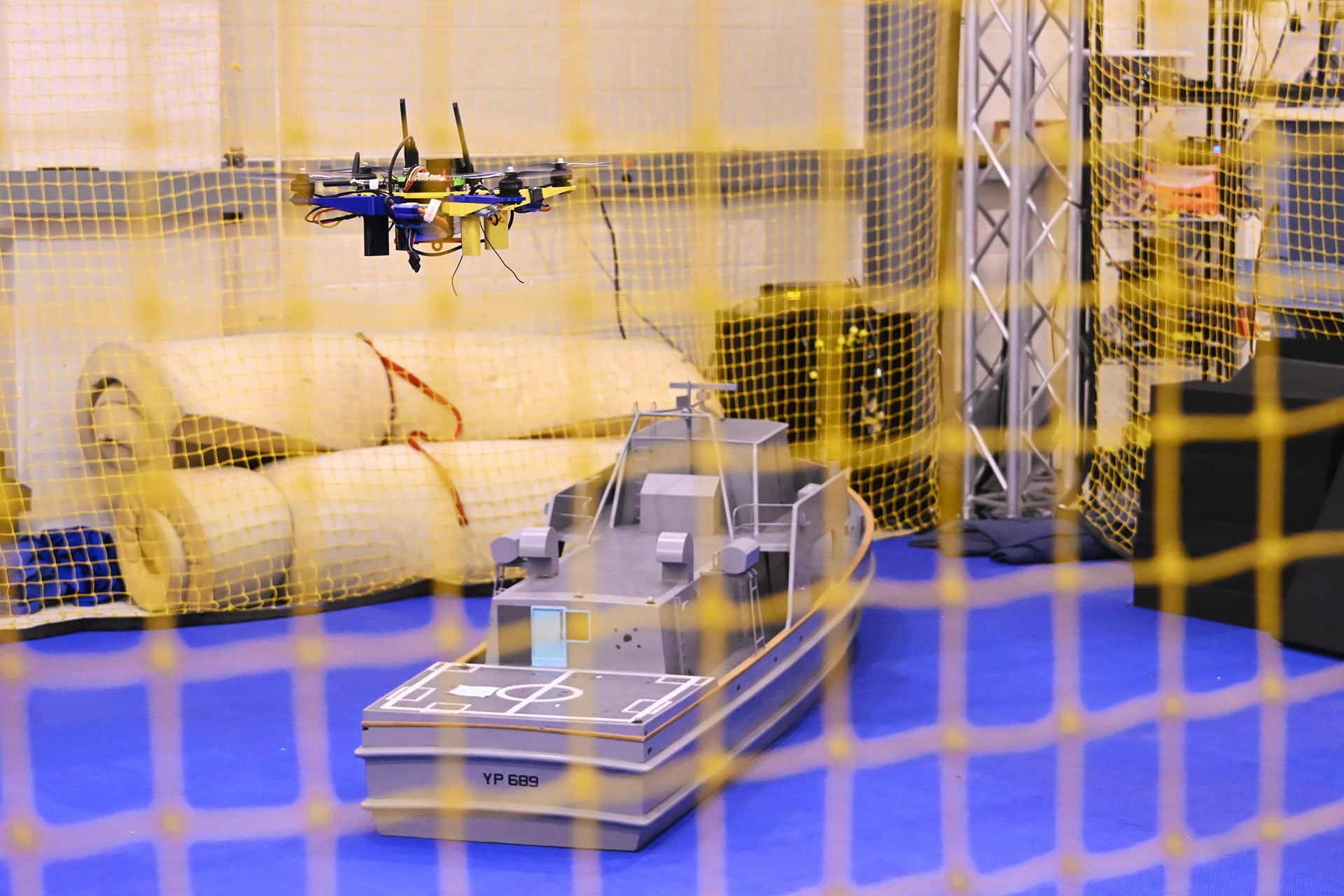
GAO Recommends Navy Improve Drone Development Via Reorganization, Iterative Approach
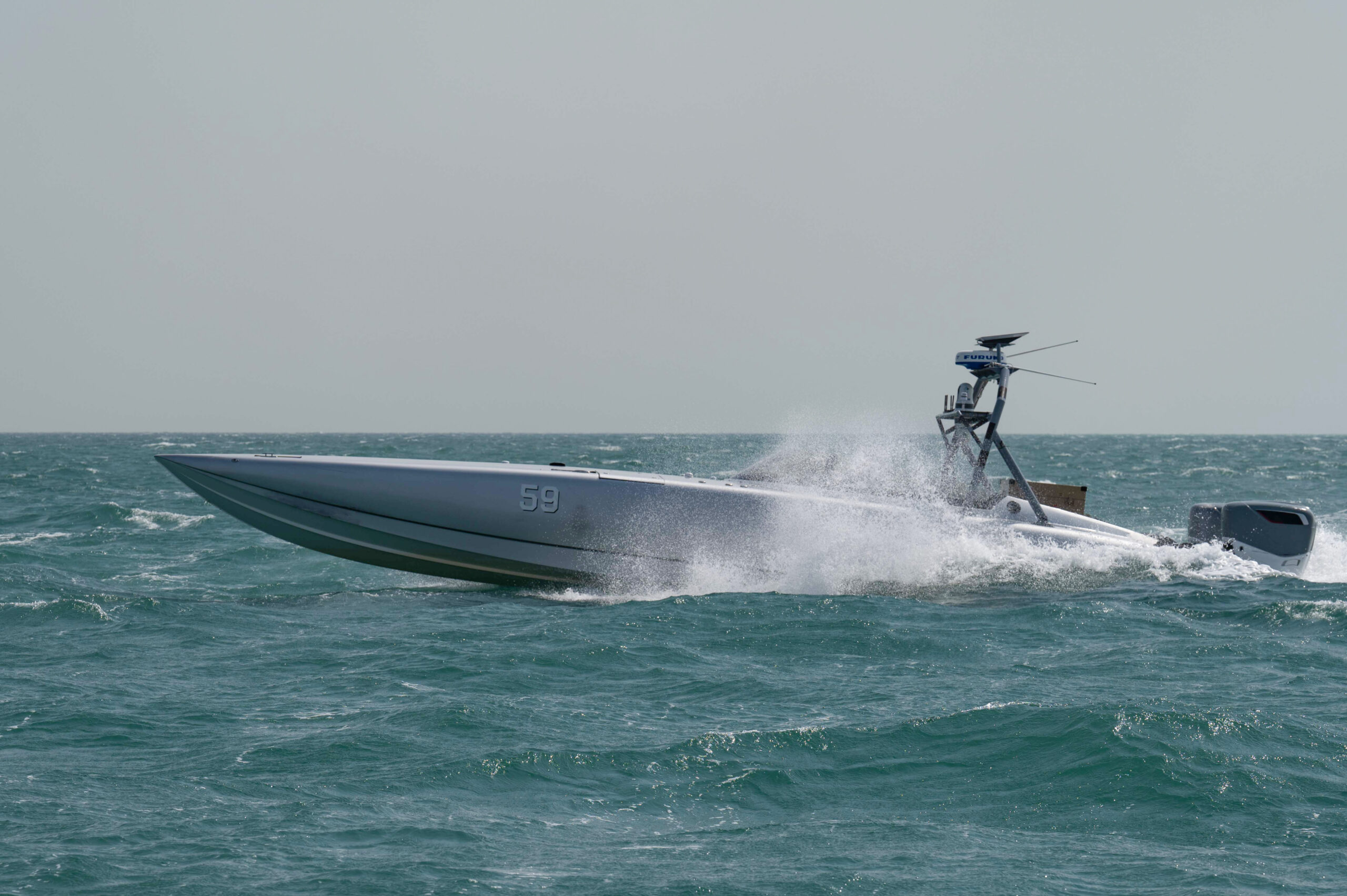
In recent years, the U.S. Navy has faced increasing pressure to enhance its drone capabilities, a necessity underscored by the evolving landscape of modern warfare and the growing demand for unmanned systems. The Government Accountability Office (GAO) has issued a report recommending significant changes to the Navy's approach to drone development, emphasizing the need for a reorganization and a shift towards an iterative development process. This call to action not only highlights existing challenges within the Navy's drone programs but also reflects broader trends affecting the defense and aerospace sectors.
The GAO's recommendations stem from a comprehensive review of the Navy's Unmanned Carrier-Launched Autonomous Systems (UCLASS) program, which has been criticized for its slow progress and high costs. The report indicates that the Navy's current model, which relies heavily on traditional, linear development processes, may not be conducive to the rapid advancements seen in drone technology. By adopting a more flexible and iterative approach, the Navy can better respond to technological advancements and operational feedback, ultimately leading to more effective and efficient drone systems.
For builders and investors in the defense and aerospace sectors, this development signals a critical pivot in how military drone programs might be structured in the future. Emphasizing iterative development aligns with methodologies used in the tech industry, where agile processes have proven to result in quicker delivery of functional products. The integration of these practices could foster a more innovative environment within military procurement, allowing for quicker adjustments to design and capabilities based on real-world testing and user input.
Moreover, the GAO's suggestion to reorganize the Navy's drone development teams indicates a recognition that collaboration and integration among departments are essential for success. The complexity of drone systems often necessitates input from various fields, including software engineering, avionics, and mission planning. Thus, a more cohesive organizational structure could break down silos and facilitate a more holistic approach to drone development, enhancing both performance and cost-effectiveness.
As defense industry professionals consider the implications of these recommendations, it is crucial to recognize that the future of drone warfare is not solely about technological superiority but also about the ability to adapt and evolve. The GAO’s insights serve as a reminder that agility in development processes can lead to significant advantages in the field. Companies that can position themselves to align with these new methodologies may find themselves at the forefront of the next generation of military unmanned systems.
In conclusion, the GAO’s recommendations for the Navy to improve its drone development through reorganization and an iterative approach is a pivotal moment for the defense sector. As stakeholders in the aerospace and technology community, it is essential to monitor these developments closely. The potential for enhanced drone capabilities not only impacts military readiness but also presents lucrative opportunities for innovation and investment in the defense industry. The path forward will require collaboration, creativity, and a willingness to embrace change in an era defined by rapid technological advancement.