DroneShield Awarded $13.8 Million By JIATF-401 For Anti-Drone Systems On Southern Border
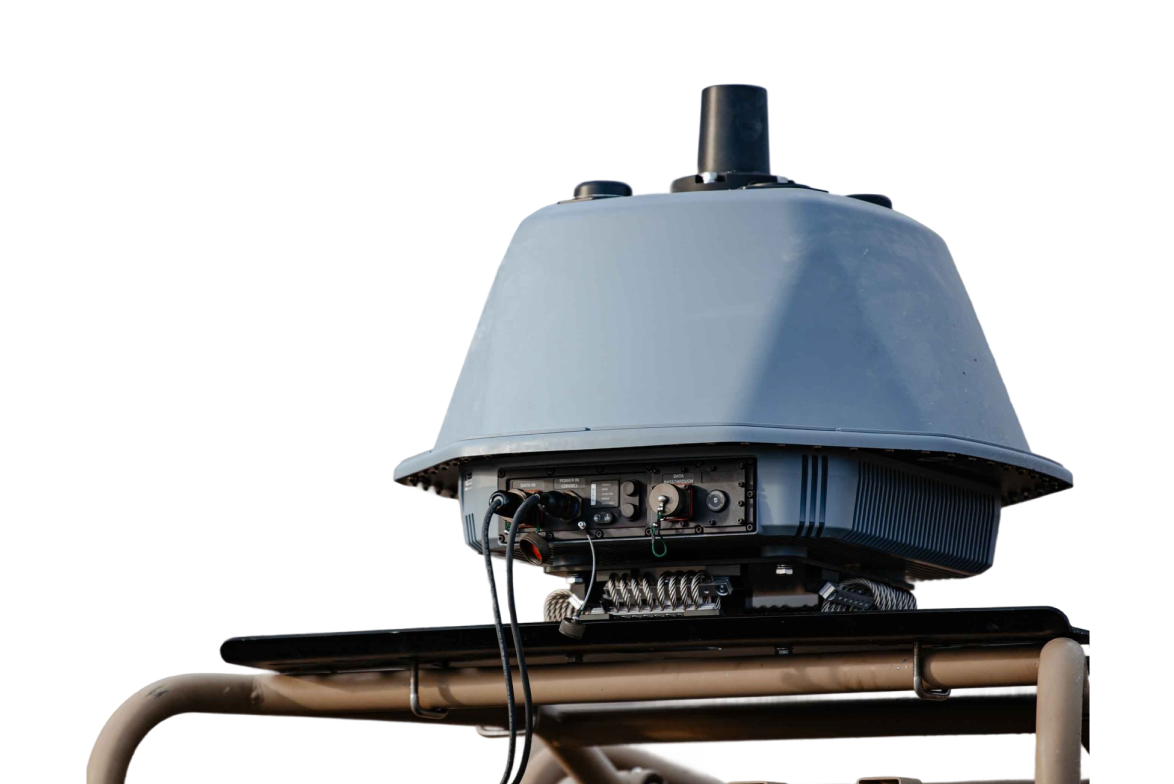
In a significant move that underscores the escalating need for enhanced security measures along the United States' southern border, DroneShield has been awarded a contract valued at $13.8 million by the Joint Interagency Task Force South (JIATF-401). This funding will be directed towards the procurement and deployment of advanced anti-drone systems aimed at countering the rising threat posed by unauthorized drone activities. As drone technology becomes increasingly accessible, the implications for border security, law enforcement, and national defense are profound.
The decision to invest in DroneShield’s anti-drone systems highlights a proactive approach to addressing the multifaceted challenges associated with drone surveillance and delivery systems that can be exploited by criminal organizations or hostile entities. JIATF-401, which plays a critical role in combating transnational threats across the southern border, recognizes the importance of integrating cutting-edge technologies to mitigate these risks effectively. The awarded funds will be instrumental in equipping personnel with the necessary tools to detect, track, and neutralize unauthorized drone operations, thereby enhancing operational capabilities along a border that continues to face complex security challenges.
This contract not only represents a financial commitment to DroneShield but also reflects a growing acknowledgment within the defense community of the necessity for robust anti-drone measures. As drones have been utilized for various illicit activities—from drug trafficking to surveillance—investments in counter-drone technology are becoming a pivotal aspect of national security strategies. The implications extend beyond the immediate operational environment, as this technology could serve as a model for similar applications across various sectors, including urban security, critical infrastructure protection, and public event safety.
Moreover, the partnership between JIATF-401 and DroneShield could pave the way for further innovations in anti-drone technology. As the defense and aerospace sectors continue to evolve, the integration of artificial intelligence and machine learning into these systems could offer significant advancements in detection and response capabilities. This not only enhances the efficacy of border security operations but also offers a glimpse into the future of automated defense solutions that could redefine how agencies manage airspace security.
As we reflect on this development, it is evident that the intersection of technology and defense is becoming increasingly critical. The investment in DroneShield’s systems is a clear signal that stakeholders are prioritizing the need for comprehensive solutions that can adapt to the rapidly changing landscape of aerial threats. Looking ahead, we can anticipate not only an expansion in the use of these systems along the southern border but also an increased interest from various sectors in the commercial applications of anti-drone technologies. The future of security will undoubtedly be shaped by the innovations that emerge from these defense contracts, promising a more secure environment both at home and abroad.