A Navy carrier is about to deploy with a robot ship. Could it change the service forever?
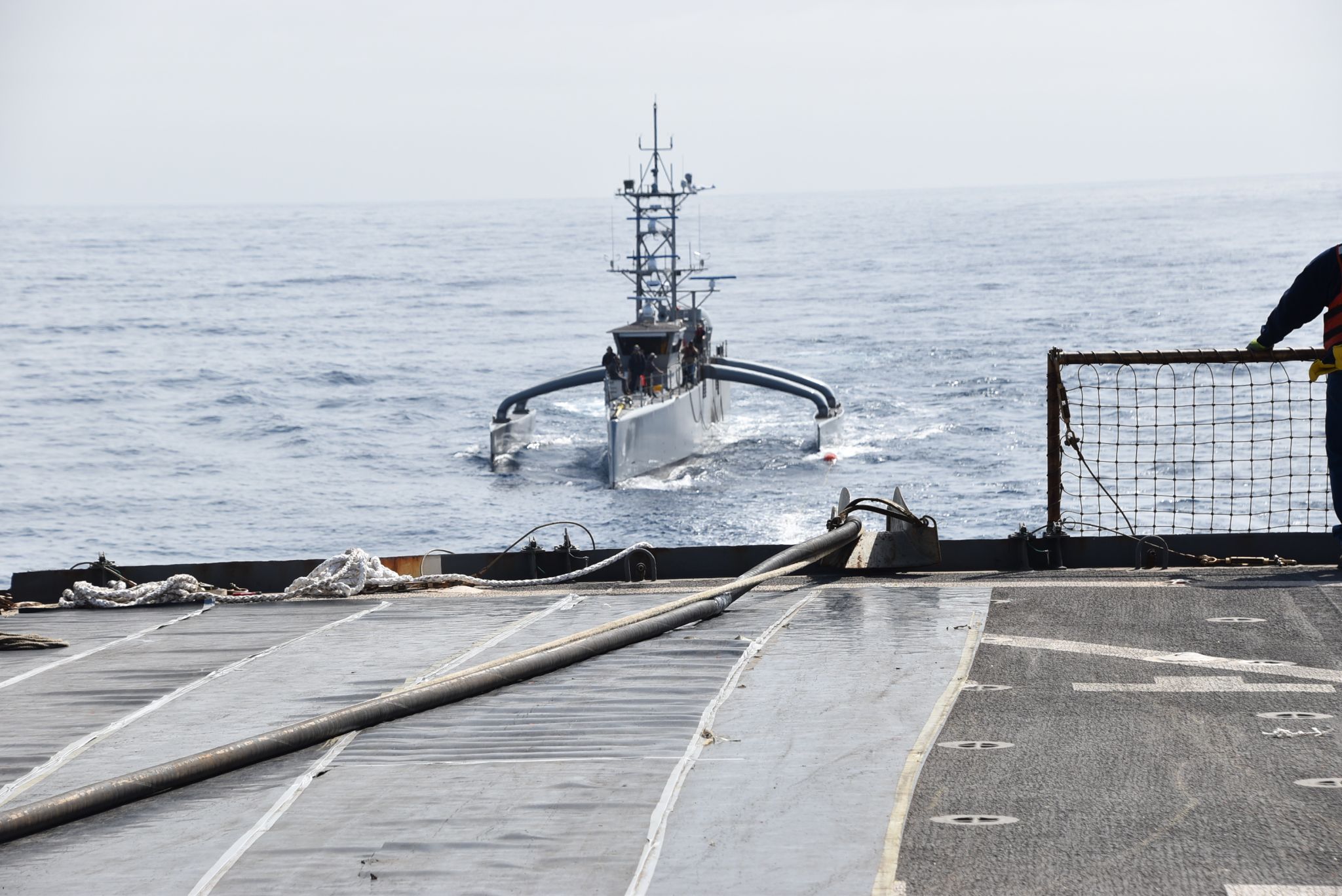
In a historic move that could redefine naval warfare, the USS Theodore Roosevelt is preparing to deploy with an unmanned surface vessel (USV) as part of its operational capabilities. This integration of cutting-edge technology signals a pivotal shift in how the U.S. Navy approaches maritime operations and warfare. As defense industry professionals, builders, and investors look toward the future, the implications of this deployment could resonate far beyond the immediate operational landscape and into the very fabric of naval strategy.
The USS Theodore Roosevelt, a Nimitz-class aircraft carrier, is set to embark on its deployment with the Sea Hawk, a drone ship designed for various tasks, including reconnaissance, surveillance, and even logistical support. This marks a significant milestone in the Navy's ongoing effort to enhance its capabilities through advanced technology. The use of USVs aligns with the broader trend of integrating artificial intelligence and unmanned systems into military operations, making it imperative for stakeholders in the defense and aerospace sectors to pay close attention to this evolving paradigm.
The deployment of the Sea Hawk alongside the Theodore Roosevelt is not merely a technological experiment; it is a testament to the Navy's commitment to adapting to modern warfare's complexities. The ability to deploy unmanned vessels will allow the carrier strike group to extend its operational reach while minimizing risk to human personnel. This is particularly crucial in an era where adversaries are increasingly leveraging advanced technologies themselves. By incorporating robotic ships into its fleet, the Navy could gain a strategic advantage, enhancing situational awareness and decision-making capabilities in real-time combat scenarios.
Moreover, this development highlights the growing importance of collaboration between the military and the private sector. Companies specializing in autonomous systems and maritime technology are poised to play a vital role in shaping the future of naval warfare. Investors should take note of the opportunities presented by this integration of robotics and AI in defense applications, as the demand for innovative solutions is likely to surge. As the U.S. Navy continues to experiment with and refine these technologies, partnerships between government and industry will be essential in achieving operational success and maintaining a competitive edge.
The implications of the Theodore Roosevelt's deployment with the Sea Hawk extend beyond immediate operational benefits; it also sets a precedent for future naval operations. As the Navy forges ahead with this initiative, one can anticipate a ripple effect across the defense sector. The incorporation of unmanned systems will likely prompt a reevaluation of existing naval doctrines and strategies, influencing how future conflicts are approached. As we stand on the brink of this new era, the defense community must remain agile and forward-thinking, ready to embrace the challenges and opportunities that lie ahead.
In conclusion, the deployment of the USS Theodore Roosevelt alongside an unmanned surface vessel represents a significant milestone in the evolution of naval warfare. It underscores the importance of technological integration in maintaining maritime superiority. For builders, investors, and defense industry professionals, this moment serves as both a call to action and an opportunity to engage with the future of naval operations. As we look ahead, the successful integration of robotics and AI will likely redefine not only how the Navy operates but also how we perceive the concept of maritime power itself.