White House’s Supplemental Request Seeks $67.1B For Iran War Costs, Including $21B For Munitions
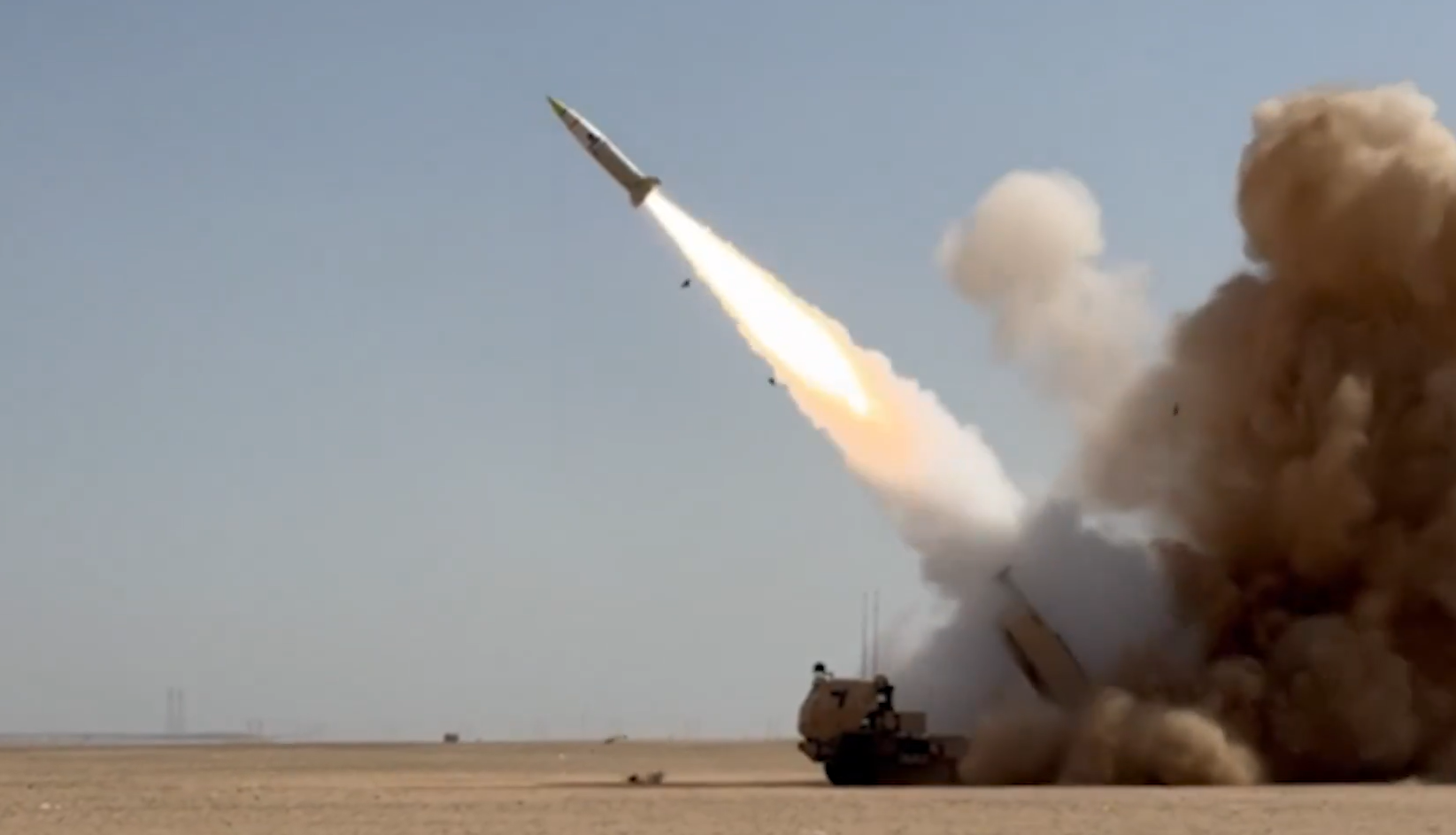
In a significant move that underscores the escalating tensions in the Middle East, the Biden administration has submitted a supplemental budget request to Congress seeking $67.1 billion to cover costs associated with military operations against Iran. This request, which includes a staggering $21 billion earmarked specifically for munitions, highlights the urgent need for the U.S. defense apparatus to bolster its readiness amid an increasingly volatile geopolitical landscape. For defense contractors, investors, and technology developers alike, this proposal represents not just a response to immediate threats but also an opportunity to engage with the U.S. military's evolving requirements.
The proposed funding comes at a time when the U.S. military is recalibrating its strategies in response to Iran’s nuclear ambitions and its support for proxy groups across the region. The allocation of $21 billion for munitions signals a shift towards more aggressive posturing, indicating that the administration may anticipate an intensification of military operations. This is particularly relevant for defense manufacturers in the munitions sector, who are likely to see increased demand for advanced weaponry, precision-guided munitions, and other critical systems as the U.S. seeks to maintain its strategic advantage.
Moreover, the proposed funding could have ripple effects throughout the defense and aerospace sectors. With a focus on munitions, companies specializing in advanced manufacturing technologies, such as additive manufacturing for rapid prototyping and production, may find new opportunities for contracts and collaboration. Similarly, firms involved in the research and development of autonomous systems and smart weapons may see their innovations gain traction as the military seeks to modernize its arsenal in preparation for potential escalations.
This supplemental request also serves as a stark reminder of the financial implications of prolonged military engagements. For investors and stakeholders in the defense industry, understanding the shifting budgetary priorities is crucial. As the U.S. government allocates substantial funds to military readiness, it is essential to evaluate how these investments will influence market dynamics and corporate strategies. Companies that can adapt to these changing needs—whether through innovation or strategic partnerships—stand to benefit significantly in the coming years.
As we look forward, the broader implications of this funding request extend beyond immediate military needs. It reflects a paradigm shift in U.S. defense policy, one that is likely to prioritize readiness and responsiveness over traditional deterrence strategies. As tensions with Iran continue to escalate, the defense community must stay agile, responding not only to the operational demands of the moment but also to the evolving landscape of international relations. The forthcoming discussions in Congress regarding this supplemental budget will undoubtedly shape the trajectory of U.S. defense spending and priorities for years to come, making it imperative for industry leaders to remain engaged and informed.
In conclusion, the White House’s $67.1 billion supplemental request is not just a budgetary maneuver; it is a clarion call for the defense and aerospace sectors to prepare for a new era of military engagement. As the U.S. positions itself to tackle emerging threats, the focus on munitions development and procurement opens new avenues for collaboration and innovation within the industry, setting the stage for a transformative period in defense operations.