Lockheed Martin Nabs $35 Billion THAAD Contract For Framework Agreement
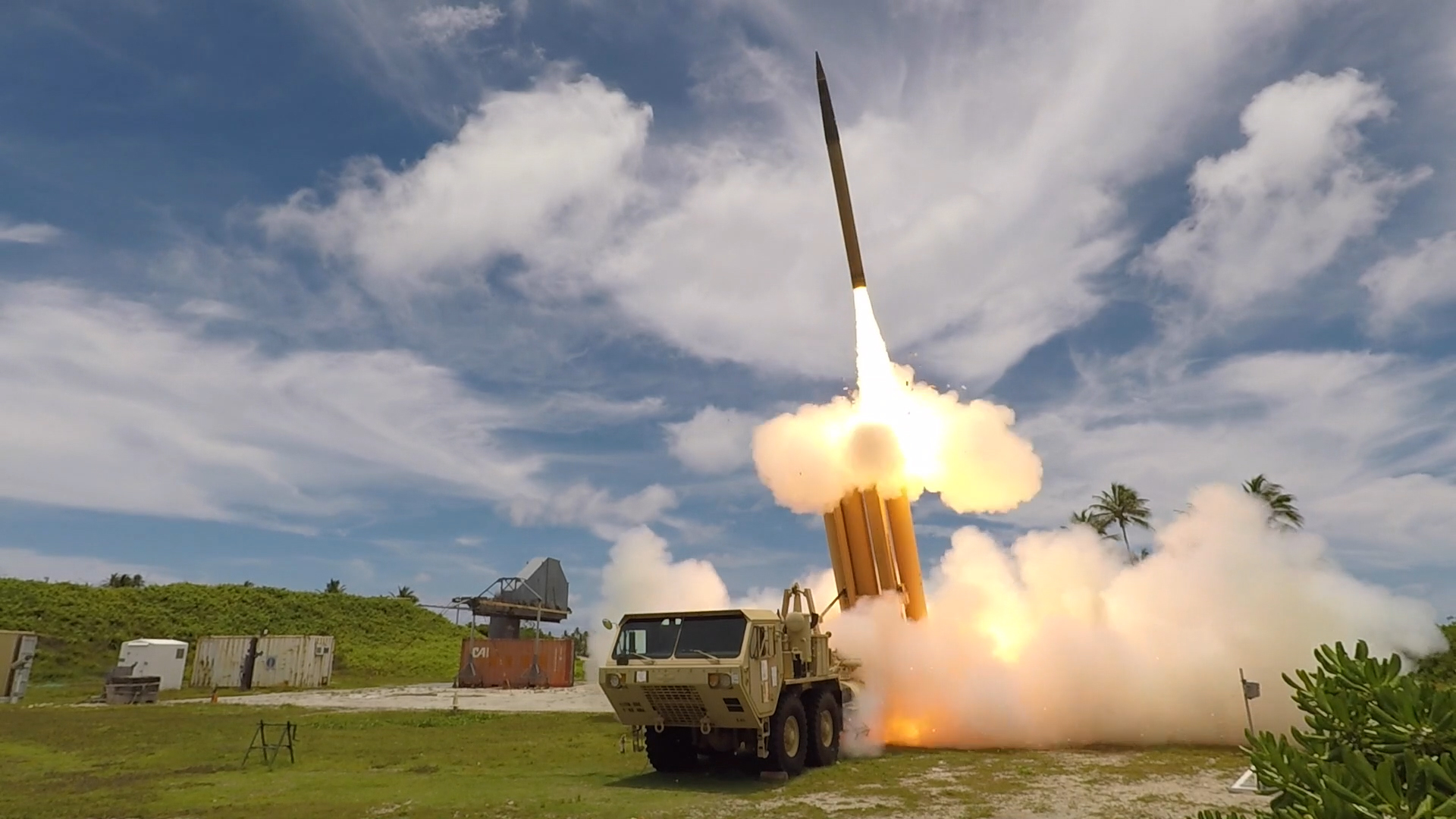
In a significant move for the defense sector, Lockheed Martin has secured a monumental $35 billion contract for the Terminal High Altitude Area Defense (THAAD) system. This framework agreement, announced recently, positions Lockheed Martin at the forefront of missile defense technology, ensuring continued advancements in a critical area of national security. As geopolitical tensions rise and the threat landscape evolves, the importance of robust defense systems cannot be overstated.
THAAD, designed to intercept and destroy short to intermediate-range ballistic missiles, has been a cornerstone of the United States' missile defense strategy. This contract not only strengthens Lockheed Martin's portfolio but also reflects the increasing demand for advanced defense solutions worldwide. The agreement is expected to enhance existing THAAD systems and develop new capabilities, aligning with the U.S. commitment to protecting its allies and maintaining a strategic advantage over potential adversaries.
From an investment perspective, this contract signals a robust growth trajectory for Lockheed Martin and, by extension, the defense industry. The substantial funding will likely lead to job creation, innovation in missile defense technology, and increased collaboration with subcontractors and suppliers. For builders and investors, this contract underlines the potential for lucrative opportunities within the defense sector, making it an attractive area for investment as the global demand for security technologies continues to rise.
Moreover, the THAAD system's significance extends beyond U.S. borders. As nations worldwide grapple with regional threats and the proliferation of ballistic missile technology, the need for advanced missile defense systems like THAAD becomes critical. This contract not only reinforces the U.S. military's capabilities but also enhances the security of allied nations, contributing to global stability.
Looking ahead, the implications of this contract are profound. As Lockheed Martin embarks on this ambitious endeavor, the defense industry will be closely monitoring advancements in missile defense technologies. The integration of artificial intelligence, machine learning, and other cutting-edge technologies in the THAAD system could redefine the landscape of missile defense, potentially leading to more effective and efficient systems in the future. As we navigate an increasingly complex security environment, the importance of investing in advanced defense technologies will only grow, making this contract a pivotal milestone in the ongoing evolution of the defense sector.