House Appropriators Concerned With ‘Risky’ Reconciliation Approach To Fund Munitions, F-35 Plans
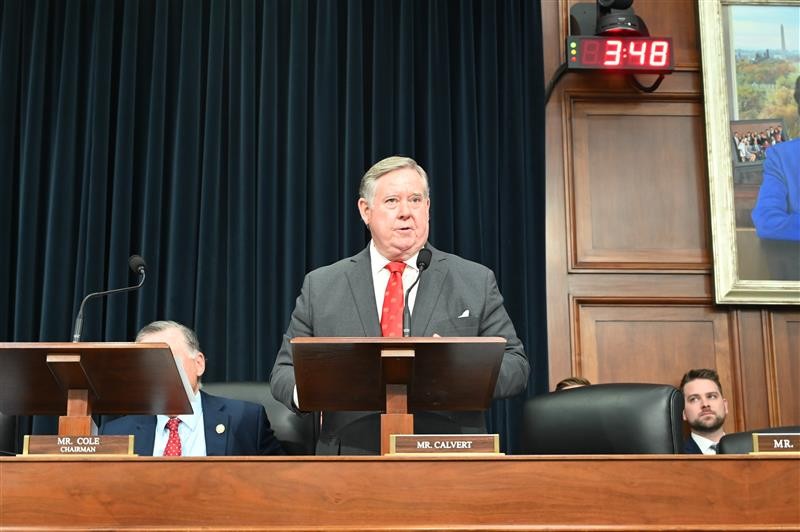
In recent discussions, House appropriators have raised significant concerns regarding the current reconciliation approach to funding critical defense initiatives, particularly the munitions programs and the F-35 Joint Strike Fighter. With the backdrop of escalating global tensions and an urgent need to bolster defense capabilities, the dialogue surrounding these funding strategies is both timely and critical. The implications of these decisions are far-reaching, affecting not only military readiness but also the broader defense industrial base that supports it.
The reconciliation process, which has come under scrutiny, is seen by some lawmakers as a 'risky' approach. This methodology allows for expedited funding through budgetary maneuvers that can sidestep traditional legislative hurdles. While this can potentially streamline the allocation of funds, it raises alarms about transparency and accountability. For defense contractors and investors, such uncertainty can complicate strategic planning and investment decisions, particularly in sectors that rely heavily on stable funding for research, development, and production.
The F-35 program, which has faced its share of challenges, is a prime example of the complexities involved. As the Pentagon aims to modernize its fleet, ensuring consistent and reliable funding is essential for maintaining production lines and meeting delivery timelines. Delays or disruptions in funding not only jeopardize the program's success but also threaten the livelihoods of thousands within the aerospace sector. The ramifications ripple through supply chains, impacting small and medium-sized enterprises that contribute vital components to the F-35 and other defense projects.
Moreover, the urgency surrounding munitions funding cannot be understated. The ongoing geopolitical landscape, characterized by rising threats from peer and near-peer adversaries, has necessitated an immediate ramp-up in munitions production. House appropriators' concerns reflect a broader awareness that reliance on an unpredictable reconciliation process may hinder the military's operational readiness at a critical juncture. For defense industry stakeholders, the transition from reactive to proactive funding strategies is crucial in navigating these turbulent waters.
As the defense community watches this situation unfold, it is imperative to advocate for more predictable and stable funding mechanisms. The need for a comprehensive approach that balances fiscal responsibility with the exigencies of national defense has never been clearer. Stakeholders must engage with policymakers to foster an environment that prioritizes long-term investments in defense capabilities while ensuring that short-term funding strategies do not undermine operational effectiveness.
Looking ahead, the discourse surrounding the funding of defense initiatives will likely intensify. With the possibility of shifting political landscapes and evolving national security threats, defense industry professionals must remain vigilant and adaptable. The outcome of these discussions will not only shape the future of critical programs like the F-35 but will also set the tone for how the U.S. approaches defense spending in an increasingly complex global environment.