USMC awards $20 million contract for first autonomous ground vehicles
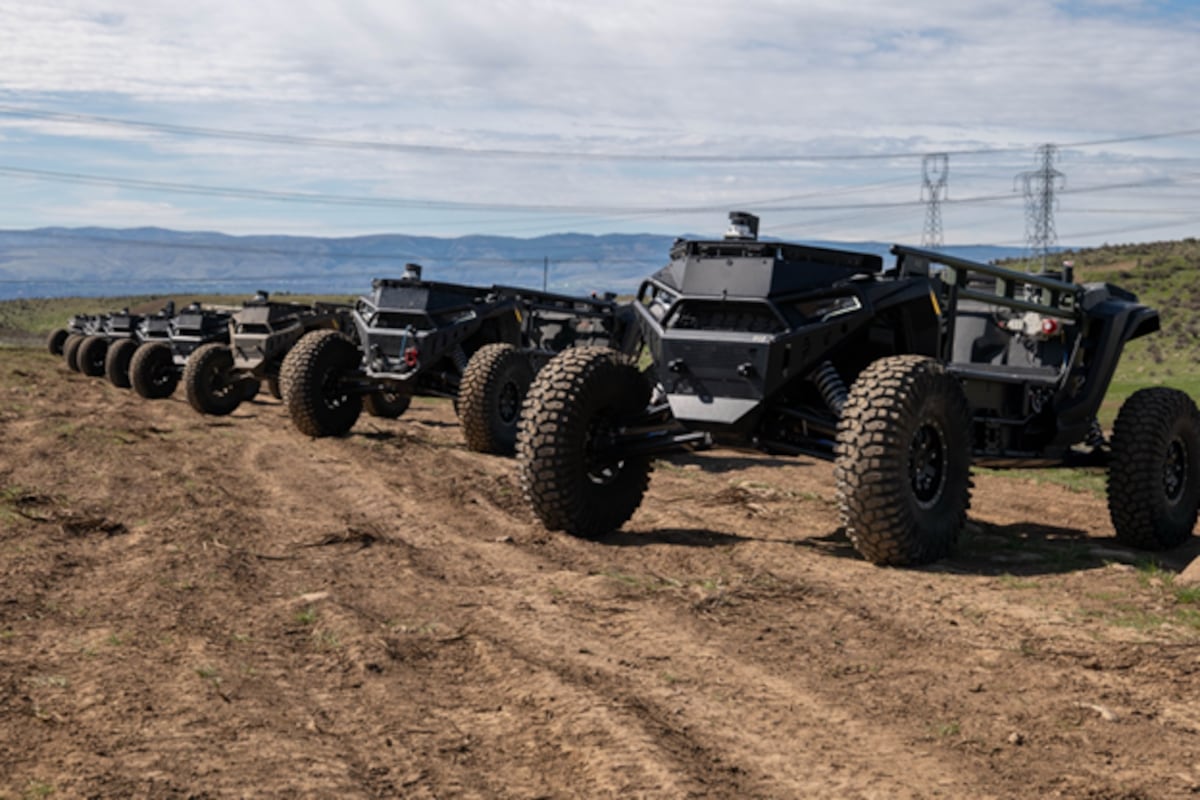
In a significant step towards modernizing military operations, the United States Marine Corps (USMC) has awarded a transformative $20 million contract for the development of its first autonomous ground vehicles. This pioneering initiative not only underscores the military's commitment to integrating cutting-edge technology into its operational framework but also highlights the growing importance of autonomy in enhancing battlefield capabilities. As defense budgets tighten and operational demands evolve, the embrace of autonomous systems represents a critical evolution in military strategy and logistics.
The awarded contract marks a pivotal moment for the USMC, which has been exploring the potential of autonomous systems to streamline operations, enhance safety, and improve the effectiveness of ground forces. Autonomous vehicles are expected to perform a variety of roles, including logistics support, reconnaissance, and even combat scenarios. By reducing the reliance on human personnel for high-risk tasks, these vehicles can minimize casualties and increase mission efficiency. The implications of this shift extend beyond the battlefield; they suggest a future where advanced technology plays a central role in defense and military strategy, reshaping how engagements are conducted.
For builders and investors in the defense and aerospace sectors, this contract signals a burgeoning market for autonomous systems. Companies that specialize in robotics, artificial intelligence, and systems integration stand to benefit significantly from the increasing investment in autonomous technologies by the military. The demand for innovative solutions that can meet the rigorous standards of military applications will likely spur growth and attract capital in an area that is poised for expansion. As the USMC takes these initial steps, it sets a precedent that may encourage other branches of the military and allied nations to explore similar technologies, leading to a global shift towards autonomy in defense.
Moreover, this move aligns with broader trends in defense modernization that prioritize efficiency and effectiveness. The integration of autonomous vehicles into military operations can also foster a new generation of defense technologies, which may include enhanced sensor systems, machine learning algorithms for decision-making, and robust communication networks. Such advancements not only enhance military capabilities but also have significant applications in civilian sectors, from logistics to disaster response, potentially leading to a dual-use technology landscape that could yield further economic benefits.
As we look ahead, the successful deployment of autonomous ground vehicles could redefine operational paradigms for the USMC and beyond. It opens the door to a future where military operations are increasingly characterized by the synergistic interplay between human decision-making and machine execution. In this context, the $20 million investment is more than just a contract; it is a strategic bet on the future of warfare and the role that technology will play in shaping it. As defense industry professionals, builders, and investors, it is crucial to remain engaged with these developments, as they will undoubtedly influence the landscape of military technology for years to come.