
Navy Tests Drone Without GPS To Land On Moving Ships
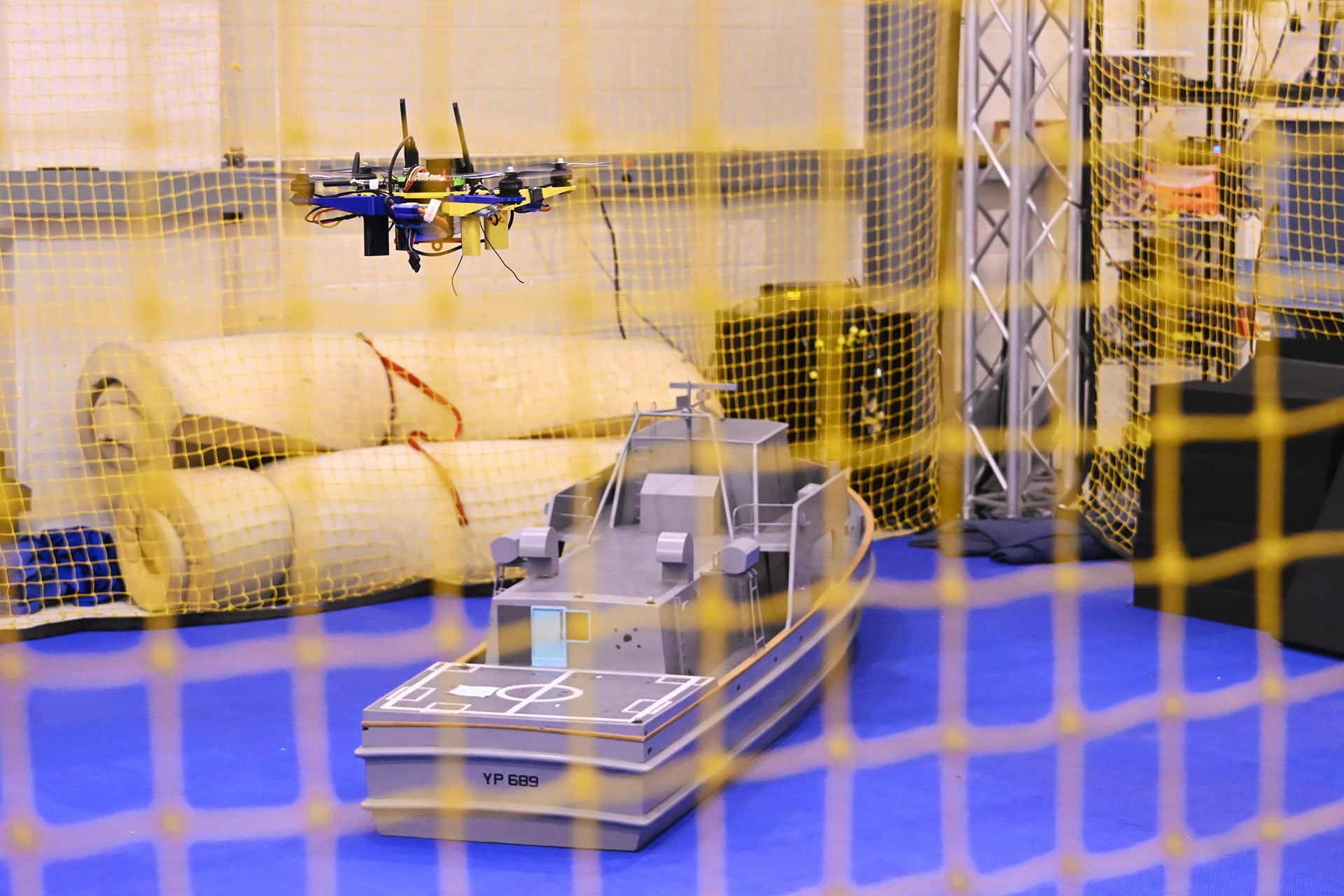
In a bold stride toward a more resilient naval aviation capability, the U.S. Navy has recently completed tests of a drone designed to land on moving ships without relying on GPS. This development marks a significant milestone in the pursuit of autonomous systems that can operate effectively in contested environments, where GPS signals may be unreliable or jammed. As the military landscape evolves, the ability to deploy drones that can seamlessly integrate into naval operations is becoming increasingly crucial.
The successful testing of this GPS-independent drone not only showcases the technological advancements in unmanned systems but also addresses a critical aspect of operational sustainability. By reducing reliance on GPS for landing procedures, the Navy could potentially enhance mission success rates and operational efficiency. This is particularly relevant in scenarios where enemy forces may employ electronic warfare tactics to disrupt navigation systems, thereby complicating traditional approaches to unmanned aerial vehicle (UAV) deployment.
This innovation aligns perfectly with the broader defense industry's shift towards affordable mass production and sustainment of autonomous systems. As military budgets remain under scrutiny, the focus on low-cost, attritable platforms that can be produced in quantity is essential for maintaining a competitive edge. The ability to field drones that are not only cost-effective but also capable of operating in difficult environments without GPS can streamline logistics and reduce the need for extensive support infrastructure.
Moreover, the implications for training and operational readiness are profound. By integrating systems that can operate independently of GPS, the Navy is paving the way for more robust training protocols that prepare personnel for a variety of scenarios. This adaptability ensures that fleets can remain operationally relevant, even as the threat landscape evolves. As defense contractors and technology firms continue to innovate in this space, the challenge will be to ensure these advancements are integrated into existing platforms while keeping costs in check.
Looking forward, the emphasis on developing drones that can autonomously perform complex tasks like landing on moving vessels without GPS will likely invigorate investment and interest in the sector. Stakeholders, from engineers to investors, should keep a close watch on this trajectory, as the successful commercialization of such technologies could redefine naval operations and solidify the U.S. Navy's strategic advantages. The future of naval aviation is not only about advanced technology but also about creating systems that are sustainable, affordable, and resilient in the face of modern challenges.



