Counter-UAS Top Innovation Priority For Commander Of Army Forces In Africa
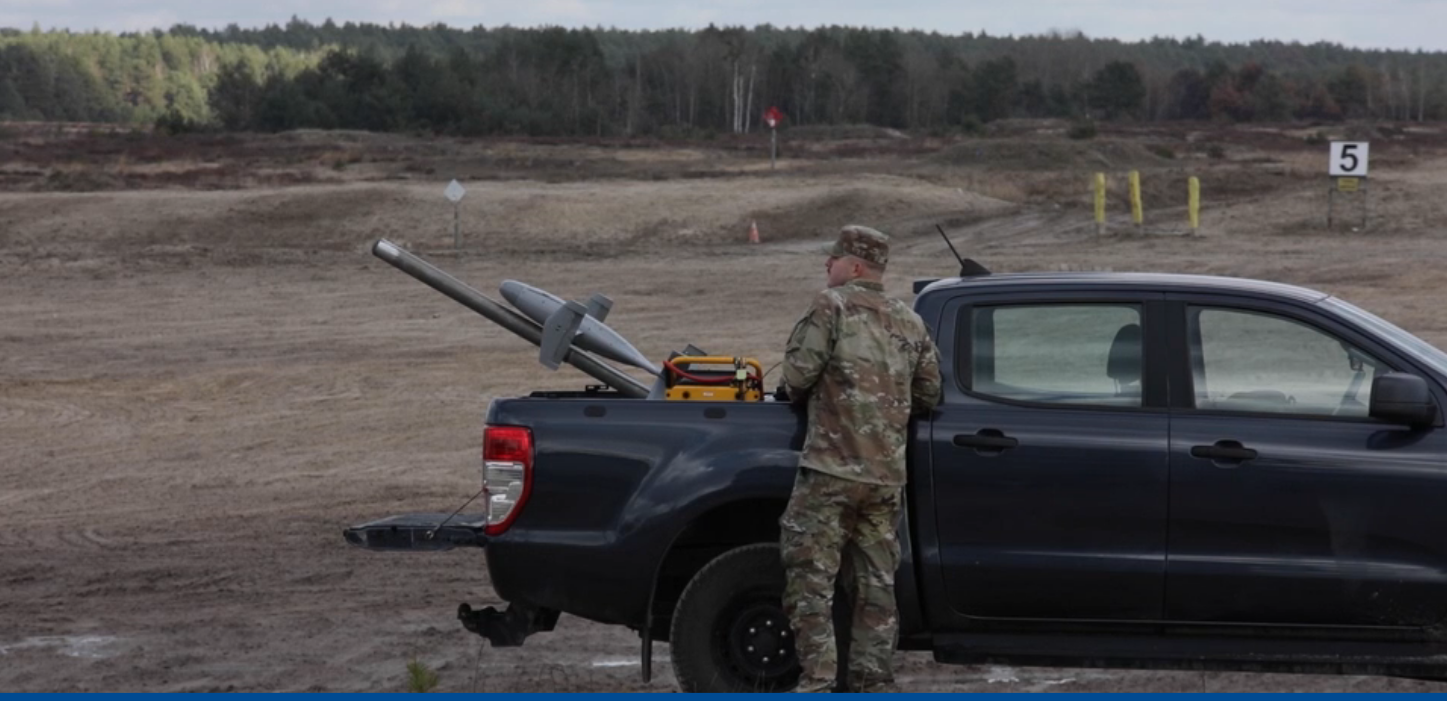
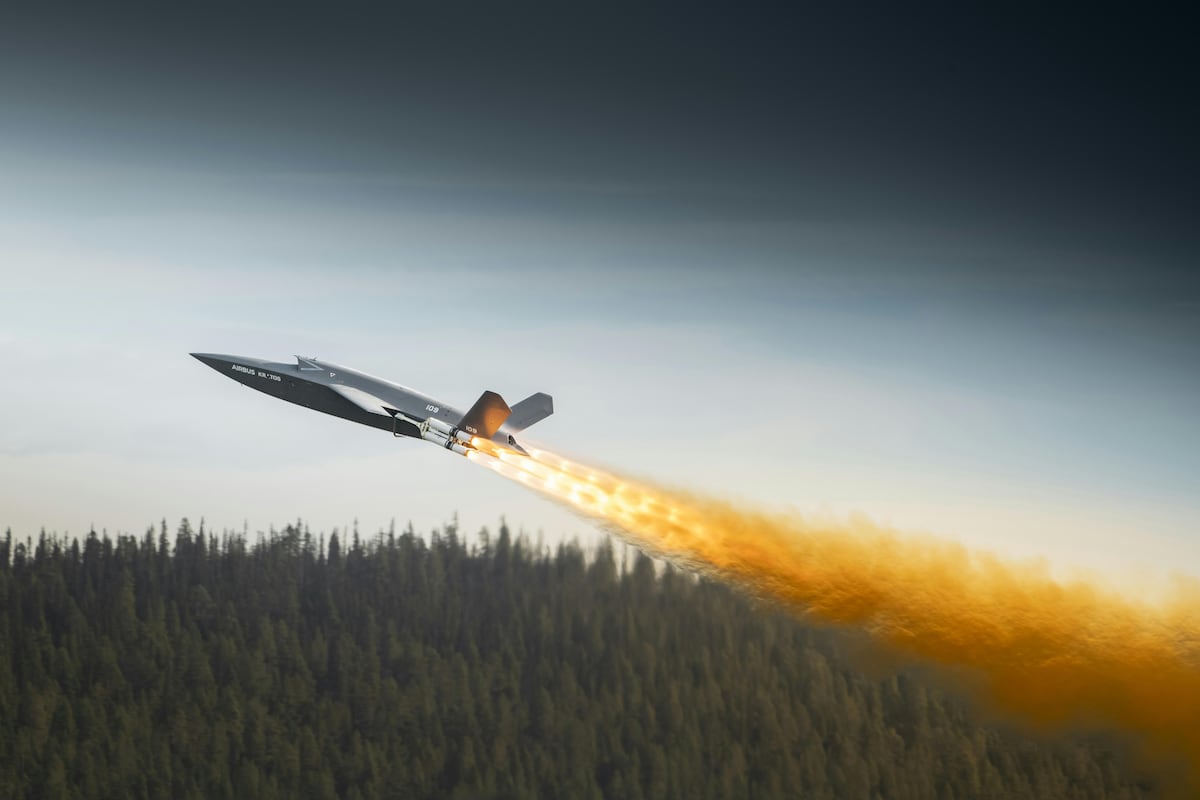
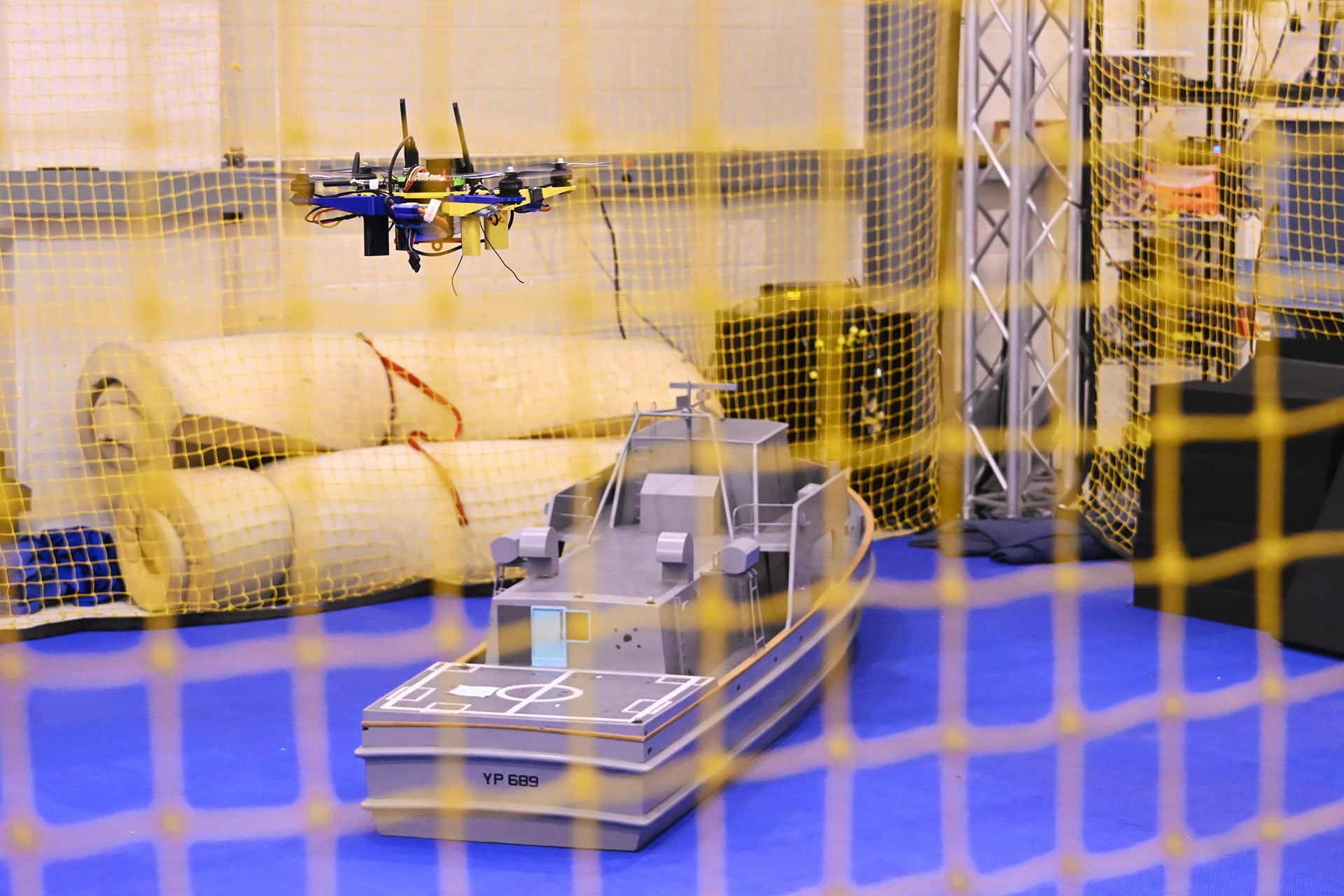
In the evolving landscape of modern warfare, the emergence of unmanned aerial systems (UAS) has transformed tactical engagements, but it has also ushered in a new set of challenges. Notably, the Commander of U.S. Army Forces in Africa has identified counter-UAS capabilities as a top innovation priority. This focus highlights not only the growing threat posed by hostile drones but also underscores a critical need for affordable mass solutions that can be rapidly deployed and sustained in various operational theaters.
The risks associated with UAS are multifaceted. On one hand, these systems offer unparalleled intelligence, surveillance, and reconnaissance capabilities to military forces. On the other hand, adversaries are increasingly leveraging drones for reconnaissance, precision strikes, and even swarming tactics that can overwhelm traditional defenses. In Africa, where the operational environment is particularly complex and resource-constrained, the need for effective counter-UAS systems is paramount. This situation necessitates innovative solutions that are not only effective but also affordable and sustainable, aligning perfectly with the principles of affordable mass in defense acquisition.
As the Army's focus shifts toward countering these aerial threats, the emphasis on developing low-cost, attritable systems becomes clear. These systems can be produced in quantity, allowing for a rapid response to emerging threats without overextending budgets or resources. The development of modular and scalable counter-UAS technologies will enable forces to adapt quickly to evolving threats, ensuring that they can maintain an operational edge in a contested environment. Moreover, such investments can lead to a more sustainable approach to defense spending, minimizing the financial burden while maximizing operational readiness.
In this context, the role of collaboration among defense contractors, technology innovators, and military leaders is crucial. Engaging in partnerships that encourage the sharing of ideas and resources can accelerate the development of effective counter-UAS solutions. This collaborative approach not only fosters innovation but also drives down costs through economies of scale, thus enhancing the overall sustainability of military operations in Africa and beyond.
Looking ahead, the commitment to counter-UAS innovation reflects a broader understanding of the dynamics of modern conflict. As military leaders prioritize these capabilities, it is essential for industry stakeholders to align their research and development efforts to address these pressing needs. By focusing on affordable and attritable systems, the defense community can not only enhance operational capabilities but also prepare for a future where unmanned threats will be an ever-present element of warfare. The proactive stance taken by Army Forces in Africa serves as a clarion call for the entire defense sector to innovate, collaborate, and invest in solutions that ensure safety, readiness, and sustainability in an increasingly complex battlefield environment.