USAF Awards Contracts For Rapid Fielding Of Counter-Drone Systems For AFCENT
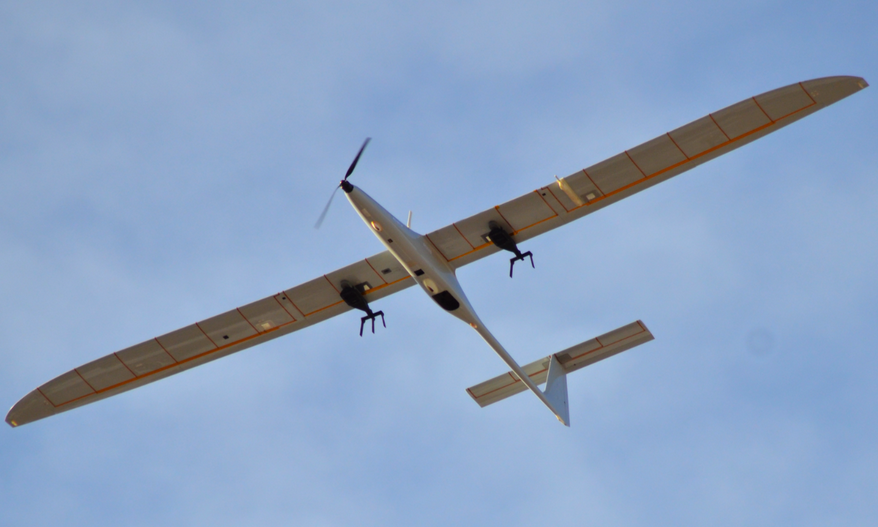
In a decisive move reflecting the evolving landscape of modern warfare, the United States Air Force (USAF) has awarded contracts aimed at the rapid fielding of counter-drone systems for the Air Forces Central Command (AFCENT). This initiative underscores the increasing threat posed by unmanned aerial vehicles (UAVs) in combat zones, where adversaries are leveraging drone technology to gain tactical advantages. As drone warfare becomes more prevalent, the USAF's proactive approach highlights the urgency of countermeasures to protect personnel and infrastructure from potential drone attacks.
The awarded contracts, aimed at facilitating the swift deployment of counter-drone technologies, come at a crucial time. The proliferation of drones has been accompanied by a rise in asymmetric warfare tactics, where smaller, less expensive UAVs can be deployed in swarms to overwhelm traditional defense systems. AFCENT, which oversees operations in the Middle East, has identified the need for effective countermeasures to safeguard both air and ground forces against these emerging threats. By prioritizing the rapid development and deployment of counter-drone systems, the USAF is taking a significant step toward enhancing operational readiness and effectiveness in contested environments.
This strategic initiative is not just a response to current threats, but also a reflection of the broader trends in defense and technology. The global drone market is estimated to grow exponentially in the coming years, with both state and non-state actors investing heavily in UAV capabilities. As the landscape of warfare continues to evolve, the defense industry must adapt swiftly. The contracts awarded to accelerate the fielding of counter-drone technologies signal a pivotal moment for defense contractors and investors alike, as demand for innovative solutions is likely to surge.
Moreover, the focus on rapid fielding aligns with the Pentagon's broader objectives of agility and modernization. The USAF's emphasis on speed in deploying these countermeasures is indicative of the need for rapid innovation cycles in defense procurement. Companies that can deliver effective solutions quickly will not only meet the immediate needs of the AFCENT but also position themselves as leaders in a growing market. Defense contractors must collaborate closely with government agencies to ensure that the technology being developed is both cutting-edge and operationally relevant.
As we look to the future, the implications of this contract extend beyond immediate operational needs. The successful integration of counter-drone systems into existing military frameworks may redefine airspace management and operational strategies. The ability to neutralize drone threats effectively will enhance the safety of troops on the ground and improve the overall efficacy of military operations. Moreover, this emphasis on counter-drone capabilities could catalyze further advancements in related technologies, such as artificial intelligence and autonomous systems, leading to comprehensive solutions that address multiple facets of modern warfare.
In conclusion, the USAF's recent contracts for the rapid fielding of counter-drone systems for AFCENT mark a critical juncture in the defense sector, reflecting both the urgent need for effective countermeasures against UAV threats and the dynamic nature of modern warfare. As defense industry professionals, builders, and investors, it is essential to recognize the opportunities presented by this evolving landscape and to remain engaged in the ongoing dialogue about technological innovation and operational readiness in the face of emerging threats.