US strikes $58.6 billion Patriot missile deal amid rising stockpile concerns
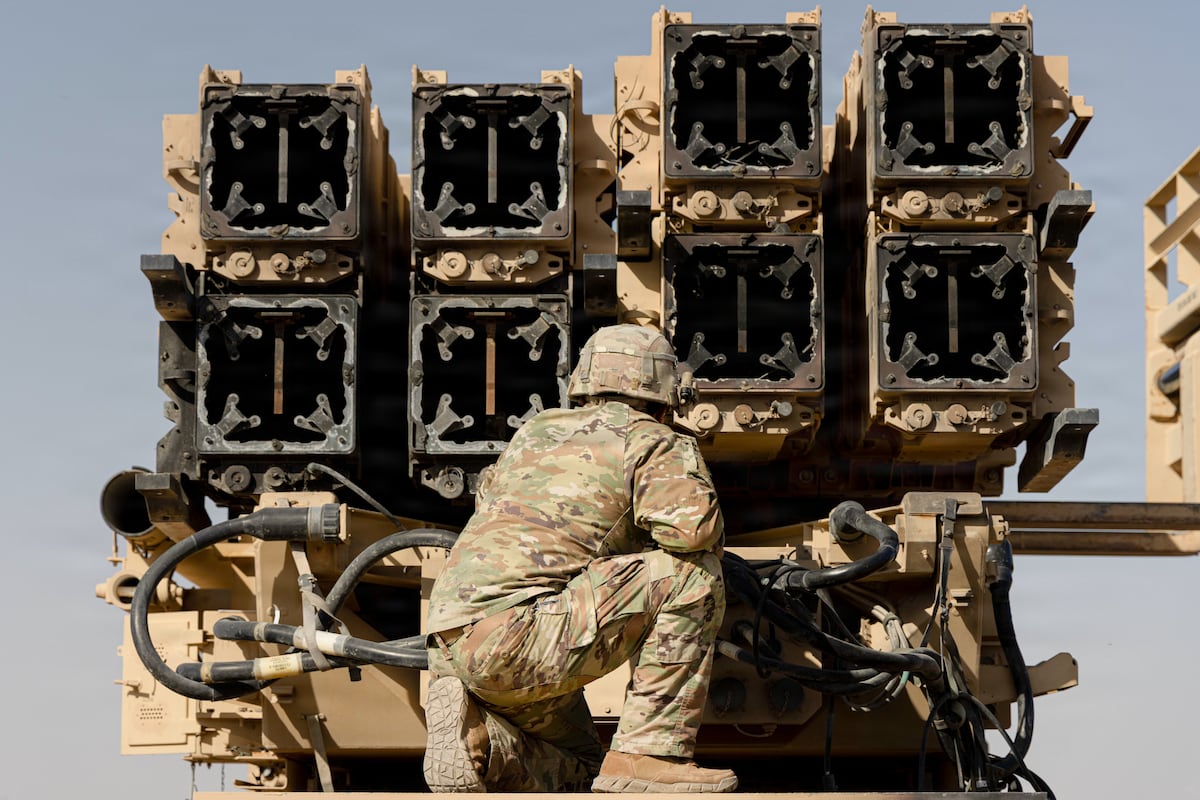
In a significant move that underscores the growing urgency of missile defense capabilities, the United States has finalized a monumental $58.6 billion deal to supply Patriot missile systems. This development comes against a backdrop of escalating geopolitical tensions and increasing concerns regarding the adequacy of current military stockpiles. As nations worldwide ramp up their defense spending and enhance their military arsenals, this deal not only reflects the U.S. commitment to its allies but also highlights the evolving dynamics of global security in which missile defense systems play a pivotal role.
The Patriot missile system has long been a cornerstone of U.S. military defense strategy, known for its effectiveness in intercepting incoming threats from various aerial platforms. As adversaries continue to advance their missile technologies, the need for robust defensive measures becomes all the more critical. The $58.6 billion deal is expected to bolster not only the operational capabilities of U.S. forces but also that of allied nations who will receive these advanced systems. Such partnerships are essential as they create a unified front against shared threats, ensuring stability in conflict-prone regions.
This transaction raises pertinent questions about the growing stockpile concerns that have recently emerged within defense circles. As the U.S. and its allies aim to modernize their military capabilities, there is an underlying anxiety regarding the readiness and sustainability of existing defense inventories. The commitment to invest heavily in the Patriot system signifies an acknowledgment of these challenges, as it seeks to replenish and enhance the capabilities of the U.S. military and its partners. This investment not only ensures that the latest technologies are deployed but also stimulates the defense industrial base, fostering innovation and job creation.
Moreover, the implications of this deal extend beyond immediate military applications. For investors and builders within the defense and aerospace sectors, the Patriot missile agreement represents a lucrative opportunity. The infusion of capital into advanced missile technology not only promises returns for stakeholders but also encourages further research and development initiatives. As demand for cutting-edge defense systems escalates, companies operating within this space are likely to see increased contracts and collaborations, thereby enhancing their market positions.
As we look ahead, the $58.6 billion Patriot missile deal serves as a bellwether for the future of defense investments. With global tensions remaining high, it is imperative for nations to not only enhance their deterrence capabilities but also to ensure that technological advancements keep pace with emerging threats. This deal signifies a critical step in that direction, fostering a more resilient and prepared defense posture for the United States and its allies. As the defense landscape continues to evolve, stakeholders must remain vigilant and proactive, ready to adapt to the shifting dynamics of global security.
In conclusion, the Patriot missile deal is not merely a transactional agreement; it is a strategic maneuver that addresses both current vulnerabilities and future uncertainties in defense. The implications for the industry are profound, as we anticipate a ripple effect that will influence investment strategies, innovation trajectories, and international partnerships in the years to come.