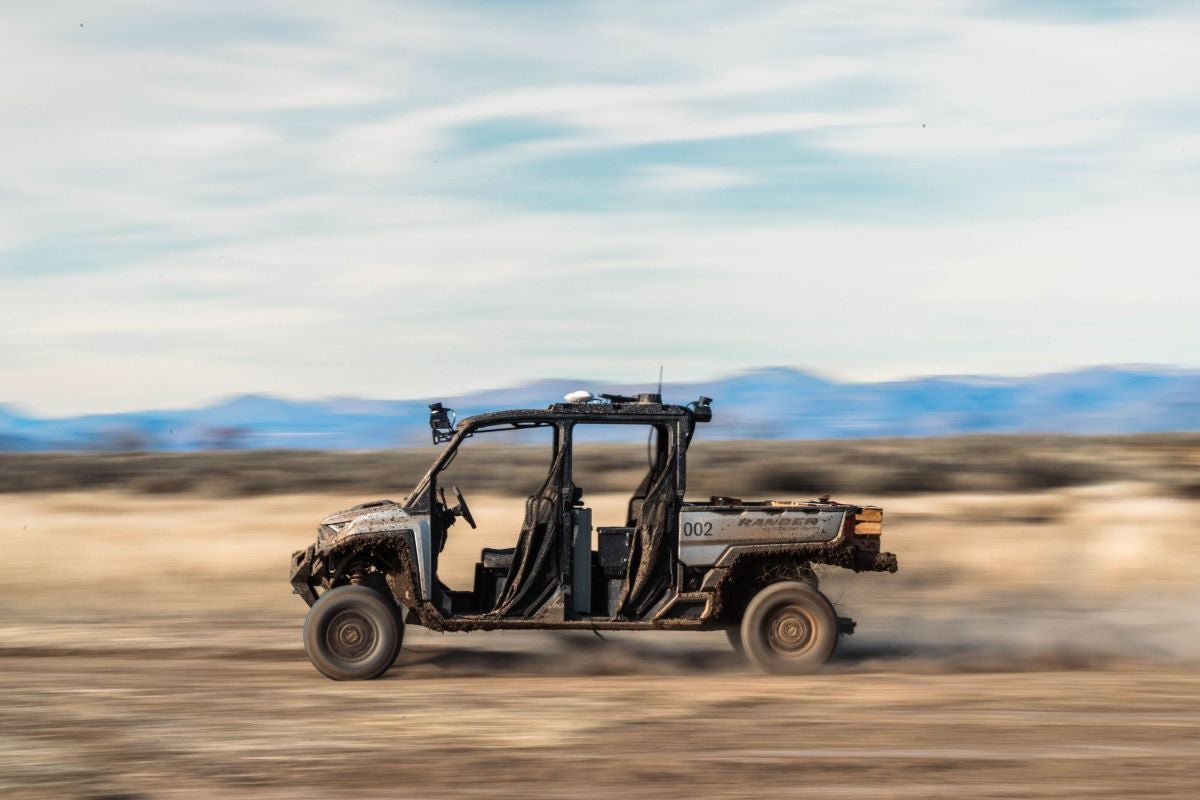
How autonomous weapons are changing the way brigades fight

In an era where the battlefield is increasingly characterized by rapid technological advancements, autonomous weapons systems are revolutionizing how military brigades engage in combat. These systems, designed to operate with minimal human intervention, are not merely augmenting traditional warfare tactics; they are reshaping the very fabric of military strategy, allowing brigades to conduct operations with unprecedented speed, precision, and efficiency. The implications of this transformation extend beyond immediate tactical advantages, challenging defense planners to rethink how they approach both acquisition and sustainment of military assets.
One of the most significant benefits of integrating autonomous systems into brigade operations is their potential for affordable mass production. As defense budgets face pressures from various fronts, the ability to deploy low-cost, attritable systems offers a compelling solution. This approach not only enables military forces to field larger numbers of assets but also allows for the rapid replacement of units lost in combat. The production of these systems can leverage advancements in materials science and manufacturing technologies, ensuring that brigades are equipped with fleets that are both economically feasible and effective in high-intensity conflict scenarios.
Moreover, autonomous weapons systems enhance sustainment capabilities by streamlining logistics and maintenance processes. The integration of artificial intelligence can predict maintenance needs, optimize supply chains, and reduce downtime, which are critical factors in maintaining operational readiness. As brigades become more reliant on these technologies, the focus will shift from simply managing fleets to utilizing data-driven insights that prolong asset lifecycles and ensure that equipment is always mission-ready. This shift not only improves combat effectiveness but also reduces the long-term costs associated with maintaining complex systems.
However, the transition to autonomous warfare is not without its challenges. The ethical implications, operational complexities, and potential for unintended consequences must be carefully navigated. Military leaders and policymakers must establish frameworks that ensure the responsible use of these technologies, balancing innovation with accountability. Furthermore, the integration of autonomous systems will require significant training and adaptation, both for operators and support personnel, to fully realize their potential in a brigade’s operational arsenal.
As we look to the future, the ongoing evolution of autonomous weapons systems presents both opportunities and challenges for the defense industry. Companies focusing on affordable mass production and innovative sustainment solutions will likely find themselves at the forefront of this shift. The ability to develop and deploy low-cost, effective autonomous platforms will not only ensure military superiority but also drive advancements in related fields such as logistics, maintenance, and operational strategy. As brigades adapt to this new landscape, the focus will remain on harnessing technology to enhance combat effectiveness while ensuring that ethical considerations guide their implementation. The future of warfare may very well hinge on how effectively we can integrate these autonomous systems into the fabric of military operations.