US Air Force seeking air defense missile system to protect air bases
In an era marked by evolving threats and the increasing complexity of modern warfare, the U.S. Air Force has turned its focus toward enhancing the security of its air bases. The recent announcement from the Air Force seeking a new air defense missile system underscores a pivotal shift in military strategy aimed at countering the growing array of aerial threats, particularly from unmanned aerial vehicles (UAVs) and precision-guided munitions. This initiative is not merely a response to immediate concerns but a proactive measure in bolstering the resilience of key military infrastructure that underpins U.S. defense operations globally.
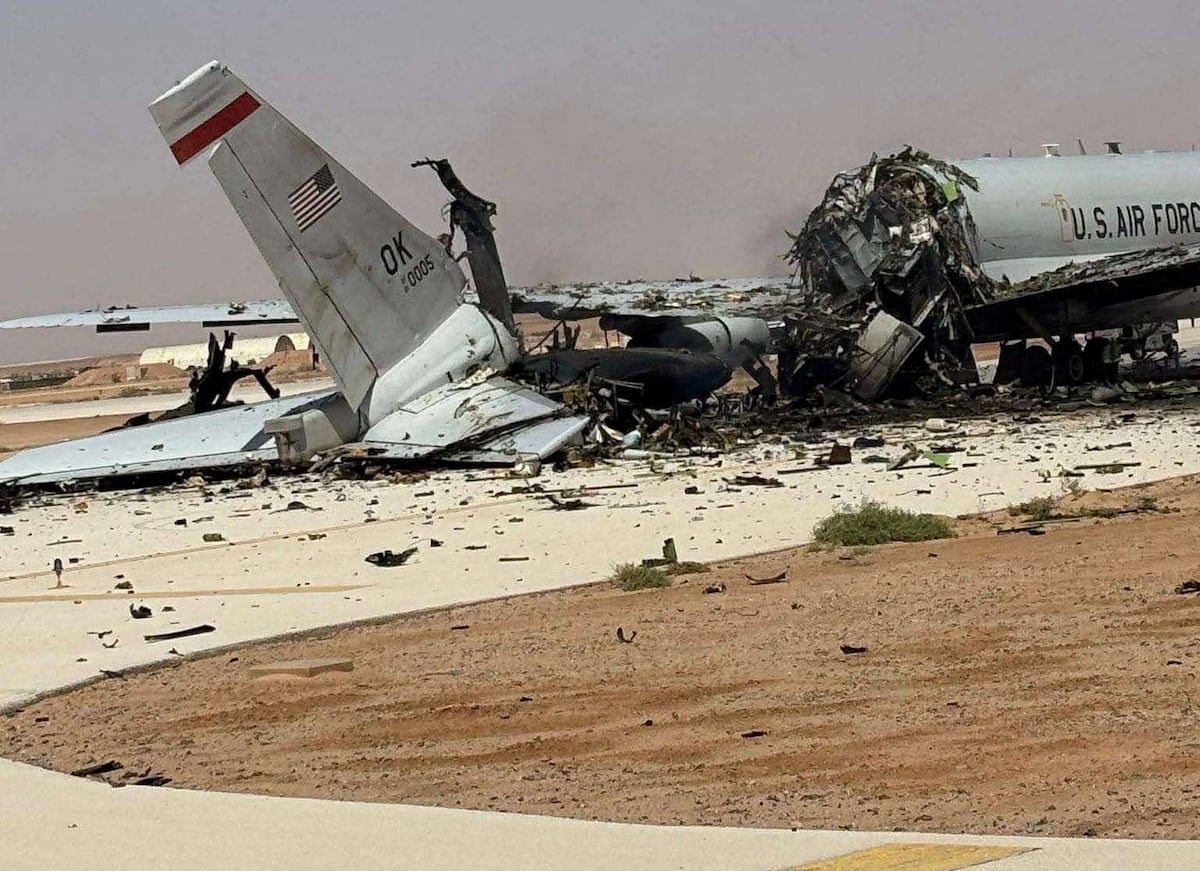
The Air Force's decision comes in light of recent conflicts where adversaries have demonstrated the capability to target air bases with increasing precision and lethality. The need for a dedicated air defense system is underscored by incidents that have highlighted vulnerabilities in base security, particularly against drone swarms and cruise missiles. By investing in advanced missile defense technologies, the Air Force aims to create a multi-layered defense architecture that will enhance the protection of personnel, aircraft, and critical assets stationed at bases both domestically and abroad.
This strategic move carries significant implications for the defense and aerospace sectors, as it signals a lucrative opportunity for companies engaged in missile defense technologies. The Air Force's requirements will likely spur innovation and competition among defense contractors, encouraging the development of next-generation systems that are not only effective but also cost-efficient. Given the pressing need for reliable air defense, companies that can deliver solutions that integrate seamlessly with existing military infrastructure will be in a prime position to secure contracts and contribute to national security.
Moreover, the emphasis on air base defense aligns with broader military objectives, particularly the shift towards a more distributed and agile force posture. As the U.S. military seeks to enhance its deterrence capabilities in contested environments, securing air bases becomes paramount. The ability to protect these critical nodes not only ensures operational continuity but also enhances the overall readiness of U.S. forces. This focus on air defense is reflective of a larger trend in military strategy that prioritizes resilience and adaptability in the face of dynamic threats.
As the U.S. Air Force moves forward with this initiative, industry stakeholders must remain cognizant of the emerging requirements and the technological advancements that will be necessary to fulfill them. The integration of artificial intelligence, machine learning, and advanced radar systems will likely play a crucial role in the development of this new missile defense system. Additionally, collaboration between government and industry will be essential in translating these needs into actionable solutions that can be rapidly deployed in the field.
In conclusion, the U.S. Air Force's pursuit of a modern air defense missile system marks a significant evolution in military strategy and underscores the critical importance of air base security. For builders, investors, and defense industry professionals, this initiative represents not only a response to current threats but also an opportunity to shape the future of air defense capabilities. With the right investments in technology and infrastructure, the U.S. can enhance its deterrence posture and ensure the safety of its forces in an increasingly complex global landscape.