Thunderstruck: Anduril unveils autonomous attack rotorcraft
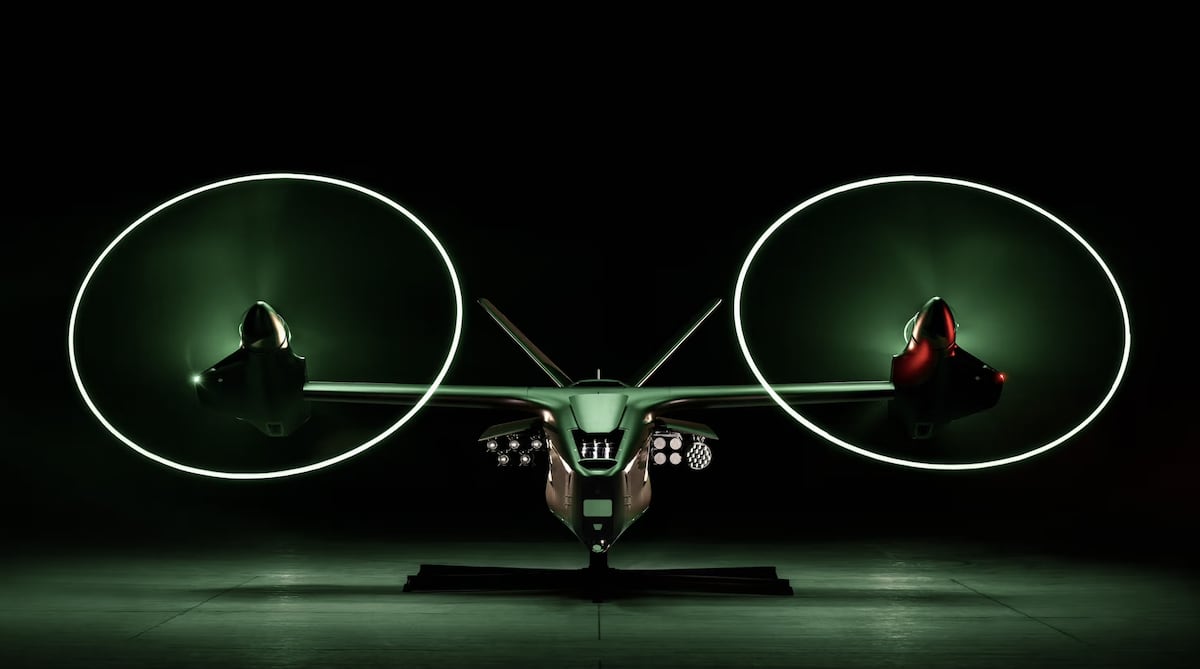
In a significant leap forward for autonomous military technology, Anduril Industries has unveiled its latest innovation: the Thunderstruck, an autonomous attack rotorcraft designed to redefine aerial combat operations. As defense budgets worldwide continue to tighten, the demand for cost-effective and highly efficient solutions has never been more pronounced. The Thunderstruck, with its cutting-edge capabilities, is poised to capture the attention of military planners and defense contractors alike, signaling a transformative moment in the aerospace and defense sectors.
The Thunderstruck is not just another entry into the burgeoning market for unmanned aerial systems (UAS); it represents a paradigm shift in how militaries may approach aerial warfare. Built with advanced sensors and artificial intelligence, this rotorcraft can operate independently, making real-time decisions that enhance mission success rates while reducing risks to human pilots. This capability is particularly vital in modern combat scenarios where the fog of war can obscure situational awareness and compromise mission integrity. By integrating autonomous systems like the Thunderstruck, military forces can expand their operational reach and effectiveness without exponentially increasing personnel costs.
In a landscape increasingly characterized by hybrid warfare and asymmetrical threats, the introduction of the Thunderstruck aligns perfectly with current military strategies that emphasize speed, adaptability, and intelligence. Its ability to execute precision strikes while gathering critical intelligence makes it an invaluable asset across a variety of missions. Moreover, as nations grapple with the evolving nature of threats, the Thunderstruck's versatility may serve as a force multiplier, allowing smaller nations or coalition forces to punch above their weight in terms of operational capabilities.
The implications for the defense industry are profound. With defense contractors focusing on innovation and efficiency, the Thunderstruck could catalyze a wave of investment in autonomous technology, drawing venture capital and resources towards research and development in this field. As companies seek to differentiate themselves in a competitive marketplace, those that can harness the power of autonomous systems will likely find themselves at the forefront of future contracts and partnerships. This advancement also raises pertinent questions about regulatory frameworks, ethical considerations, and the potential for a new arms race in autonomous weaponry, necessitating a thoughtful dialogue among policymakers and industry leaders.
As we look ahead, the Thunderstruck's unveiling is merely the tip of the iceberg in a broader trend towards automation in the defense sector. The integration of autonomous systems into military operations is likely to accelerate, driven by the need for greater efficiency and effectiveness in the face of evolving challenges. For builders, investors, and defense industry professionals, the emergence of the Thunderstruck serves as both a harbinger of change and a call to action—one that encourages continued investment in this critical area of technological advancement. The future of warfare may very well depend on the innovative capabilities we cultivate today.