Textron Nabs DIU Award For Small USVs In Support Navy Experiment
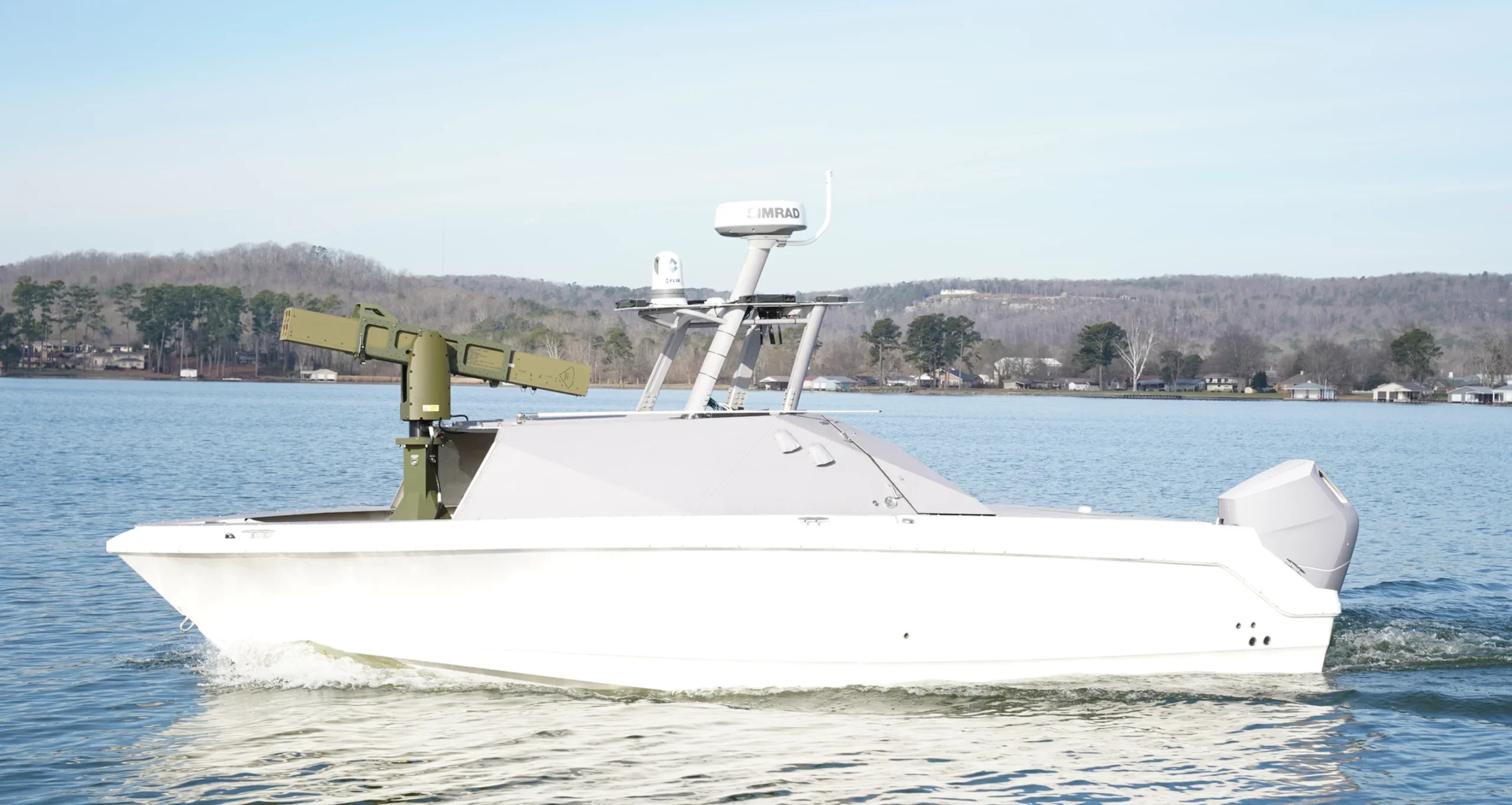
In a significant development for the U.S. Navy's unmanned maritime capabilities, Textron Systems has secured an award from the Defense Innovation Unit (DIU) to develop small Unmanned Surface Vehicles (USVs) for an upcoming naval experiment. This initiative underscores a growing trend in the defense sector toward innovative, cost-effective solutions that leverage advanced technology to enhance operational readiness and maritime security. As the Navy seeks to modernize its fleet and adapt to evolving threats, this partnership with Textron could pave the way for a new era of naval warfare.
The DIU's decision to collaborate with Textron reflects an increasing recognition of the vital role that unmanned systems play in contemporary military operations. As adversaries invest in asymmetric warfare capabilities, the U.S. Navy is compelled to explore novel approaches to maintain its strategic advantage. Small USVs, which can be deployed for a variety of missions including reconnaissance, surveillance, and anti-surface warfare, are emerging as a key component of this strategy. Textron's experience in developing advanced unmanned systems, combined with the DIU's mission to accelerate the adoption of commercial innovations for military use, makes this collaboration particularly promising.
This award is not just about enhancing the Navy's capabilities; it represents a pivotal moment for the defense industry as a whole. The move towards smaller, more agile unmanned systems aligns with the broader trend of increasing autonomy in military platforms, which offers potential reductions in manpower costs and logistical burdens. For builders and investors in the defense sector, this project could signal the beginning of a new wave of investments in unmanned technologies. Companies that can develop systems that meet the Navy's requirements for flexibility, adaptability, and cost-effectiveness will likely find themselves well-positioned in a competitive market.
Moreover, the integration of small USVs into naval operations could lead to significant shifts in tactical doctrine. These vessels can operate in concert with larger manned ships, providing a force multiplier effect that enhances situational awareness and operational reach. The Navy's ability to deploy these platforms not only increases its maritime presence but also complicates the operational environment for potential adversaries. As the Navy continues to experiment and refine its approach to unmanned operations, Textron's contribution could be a critical factor in shaping the future of naval engagements.
Looking ahead, the collaboration between the DIU and Textron is a clear indication that the defense community is embracing a future where unmanned systems are integral to military strategy. As technology continues to evolve, the emphasis on smaller, more efficient platforms will likely drive innovation across the industry. For investors and builders, this trend presents both challenges and opportunities, as they navigate the complexities of integrating advanced technologies into existing defense frameworks. The success of Textron's small USVs could not only enhance the Navy's capabilities but also catalyze a transformation in how unmanned systems are perceived and utilized in the defense sector, heralding a new chapter in maritime warfare.