Sikorsky’s Unmanned U-Hawk Enters Flight Test Program, Sees ‘More Interest’ From Marines
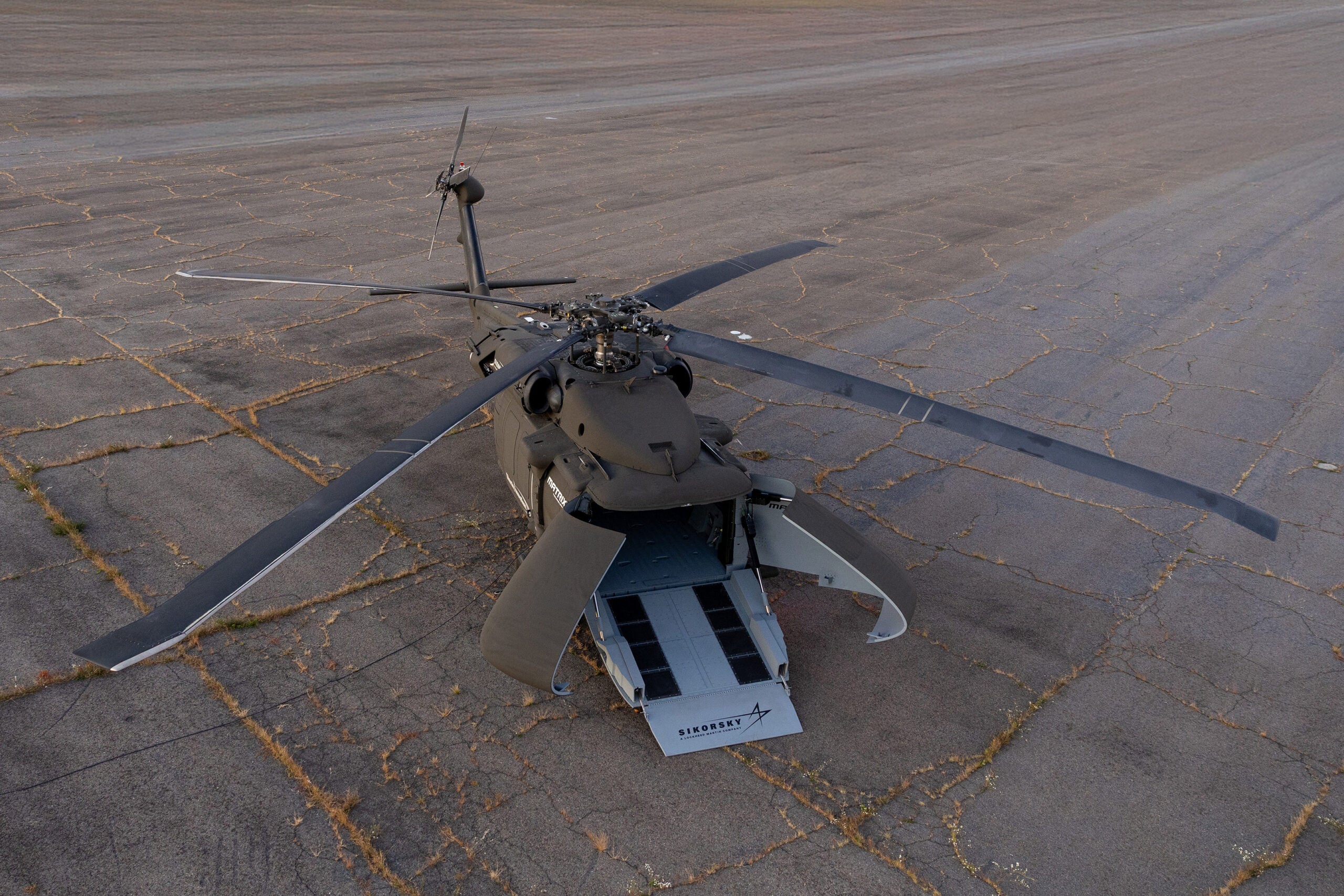
In a significant leap forward for unmanned aviation, Sikorsky's U-Hawk has officially entered its flight test program, igniting heightened interest from the U.S. Marine Corps. This development not only showcases Sikorsky's commitment to innovation but also highlights the increasing importance of unmanned systems in modern military operations. As defense budgets tighten and operational demands evolve, the U-Hawk's potential as a low-cost, attritable system presents an attractive solution for military planners looking to enhance capabilities without compromising affordability.
The U-Hawk, designed with an emphasis on versatility and operational efficiency, stands out as a prime example of the defense industry's shift toward affordable mass solutions. With the capability to perform a variety of missions—from reconnaissance to logistics support—the U-Hawk aligns perfectly with the Marines' need for adaptable assets that can operate in complex environments. The interest from the Marine Corps signals a recognition of the strategic value that such unmanned systems can deliver, particularly in scenarios where traditional platforms face limitations or heightened risks.
This development comes at a time when the defense sector is increasingly focusing on sustainment strategies that prioritize fleet readiness and cost-effectiveness. The U-Hawk's design incorporates modular components and an emphasis on maintainability, ensuring that operators can keep the fleet operational with minimal downtime. As military engagements become more frequent and diverse, the ability to deploy a fleet of affordable, autonomous systems like the U-Hawk will be crucial in maintaining a tactical edge while managing budget constraints.
Moreover, the U-Hawk's entry into flight testing not only validates Sikorsky's technological advancements but also sets a precedent for future unmanned aircraft programs. By embracing a model that prioritizes both affordability and capability, Sikorsky is paving the way for other manufacturers to follow suit. This could lead to a broader industry shift towards designing systems that can be produced at scale, fostering competition and ultimately driving down costs for military customers.
As we look ahead, the success of the U-Hawk could catalyze a transformation in how the U.S. military approaches unmanned systems. The potential for these aircraft to operate in swarms, perform multi-domain missions, and integrate seamlessly with manned platforms could redefine the battlefield landscape. For builders, investors, and defense professionals, the U-Hawk represents not just an innovative aircraft but a pivotal moment in the evolution of military aviation—one that underscores the necessity of developing affordable, attritable systems that can meet tomorrow's challenges head-on.