Defense Watch: RTX C-UAS Award, MQ-25 Software Test, PrSM Inc. 4, Taiwan V-BAT, Autonomous Black Hawk
In an era where defense budgets are increasingly scrutinized, the focus on affordable mass and sustainment has never been more critical. Recent developments in the defense sector, including the award of a contract to RTX for Counter-Unmanned Aerial Systems (C-UAS) and advancements in the MQ-25 program, underline the importance of integrating technology that not only enhances combat capability but also does so in a cost-effective manner. These initiatives reflect a broader trend toward deploying systems that are both attritable and autonomous, enabling military strategists to operate effectively within budget constraints.
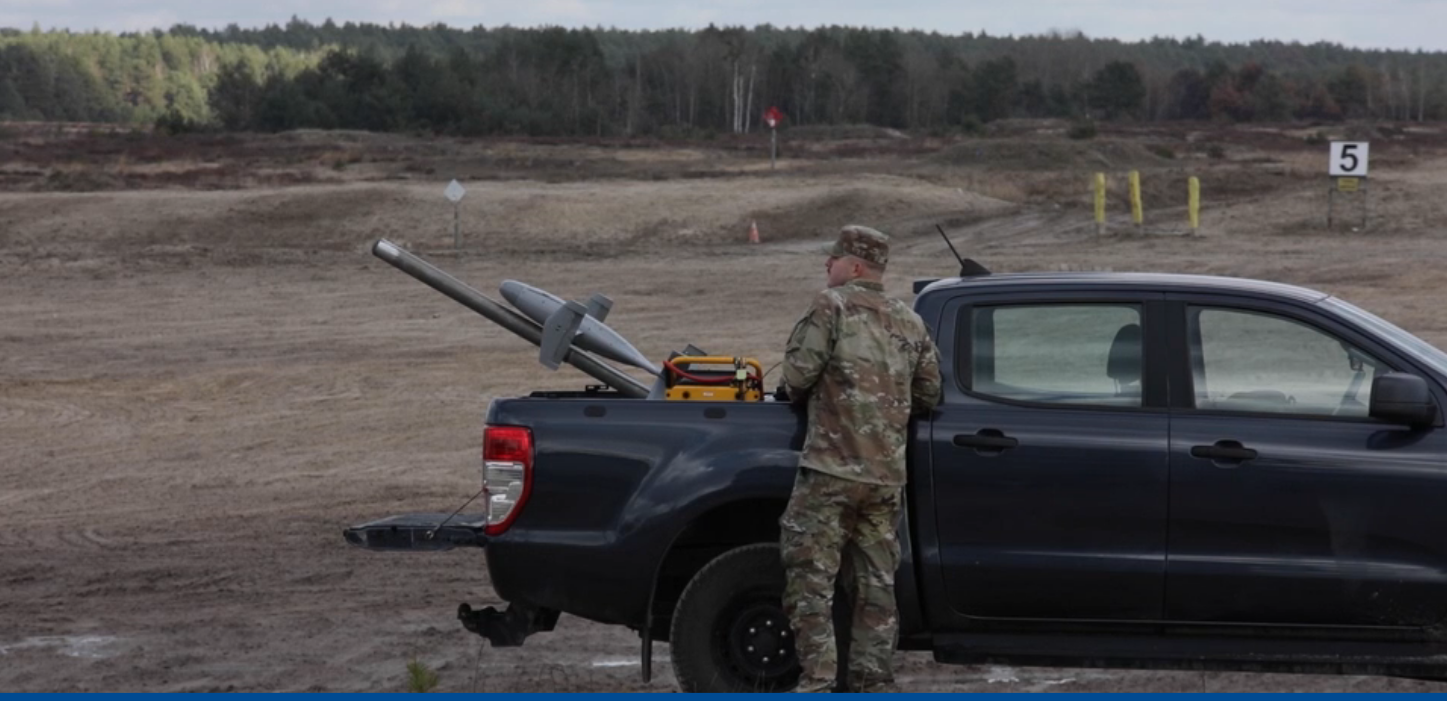
RTX's recent C-UAS award, valued at approximately $14 million, aims to bolster the Army's capabilities to counter the increasing threat posed by drones on the battlefield. This contract, which emphasizes low-cost solutions, underscores the military's shift towards mass procurement of affordable systems. By investing in C-UAS technology that can be produced and deployed at scale, the Army not only enhances its defensive posture but also ensures that it can sustain operations in contested environments without breaking the bank. The emphasis on affordable mass is particularly relevant as adversaries continue to develop sophisticated drone technologies, necessitating a proactive and scalable defensive approach.
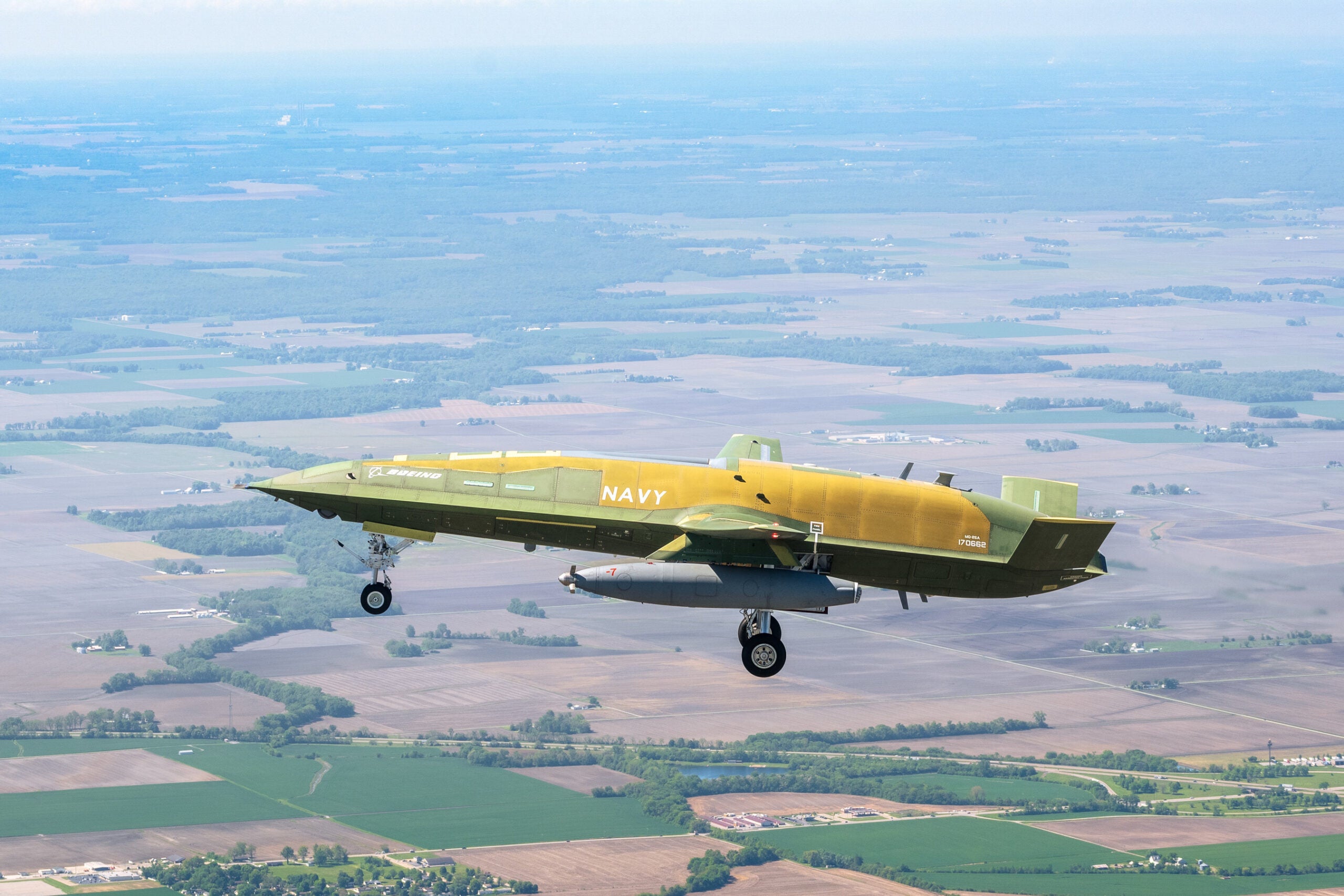
Meanwhile, the MQ-25 aerial refueling drone program is progressing with software testing that promises to enhance its operational capabilities. The MQ-25 is designed to extend the range of carrier-based aircraft, allowing for sustained air operations. The significance of this program lies in its potential to reduce operational costs while maximizing fleet readiness. As military platforms become increasingly reliant on unmanned systems, the need for robust software integration that enhances performance and reliability becomes paramount. The MQ-25 exemplifies the intersection of affordability and sustainment, as it aims to deliver advanced capabilities without the exorbitant costs typically associated with cutting-edge technology.
Additionally, Lockheed Martin's Precision Strike Missile (PrSM) Inc. 4 flight tests are paving the way for enhanced strike capabilities. The focus on low-cost, high-impact munitions aligns perfectly with the defense community's push towards affordable mass. PrSM's design allows for production in greater quantities, ensuring that the U.S. Army can maintain an edge in long-range precision fires while keeping budgets in check. This strategy not only enhances lethality but also ensures that munitions are readily available when needed, crucial for sustaining operations in dynamic environments.
In an exciting development for Taiwan, the introduction of the V-BAT unmanned aerial system is set to enhance its reconnaissance and surveillance capabilities. The move towards integrating such systems reflects a growing acknowledgment of the need for affordable solutions that can be quickly deployed and sustained in various operational theaters. The V-BAT's design allows for easy deployment and maintenance, making it an ideal candidate for the evolving defense landscape in the Indo-Pacific region.
Lastly, the trend towards autonomous systems is epitomized by the development of the Autonomous Black Hawk, which promises to revolutionize rotorcraft operations. The integration of autonomy into such platforms not only enhances mission flexibility but also significantly reduces the operational costs associated with manned flight. As defense budgets tighten, the ability to deploy systems that can perform complex missions without the constant need for human oversight will be invaluable.
Looking ahead, the defense industry is poised for a significant transformation driven by the principles of affordability and sustainability. As we witness these advancements, it is clear that the future of military operations will rely on a new generation of systems that are not only capable but also economical. The emphasis on affordable mass and sustainment will define the next phase of defense innovation, ensuring that militaries around the world can maintain readiness in an increasingly complex security environment.